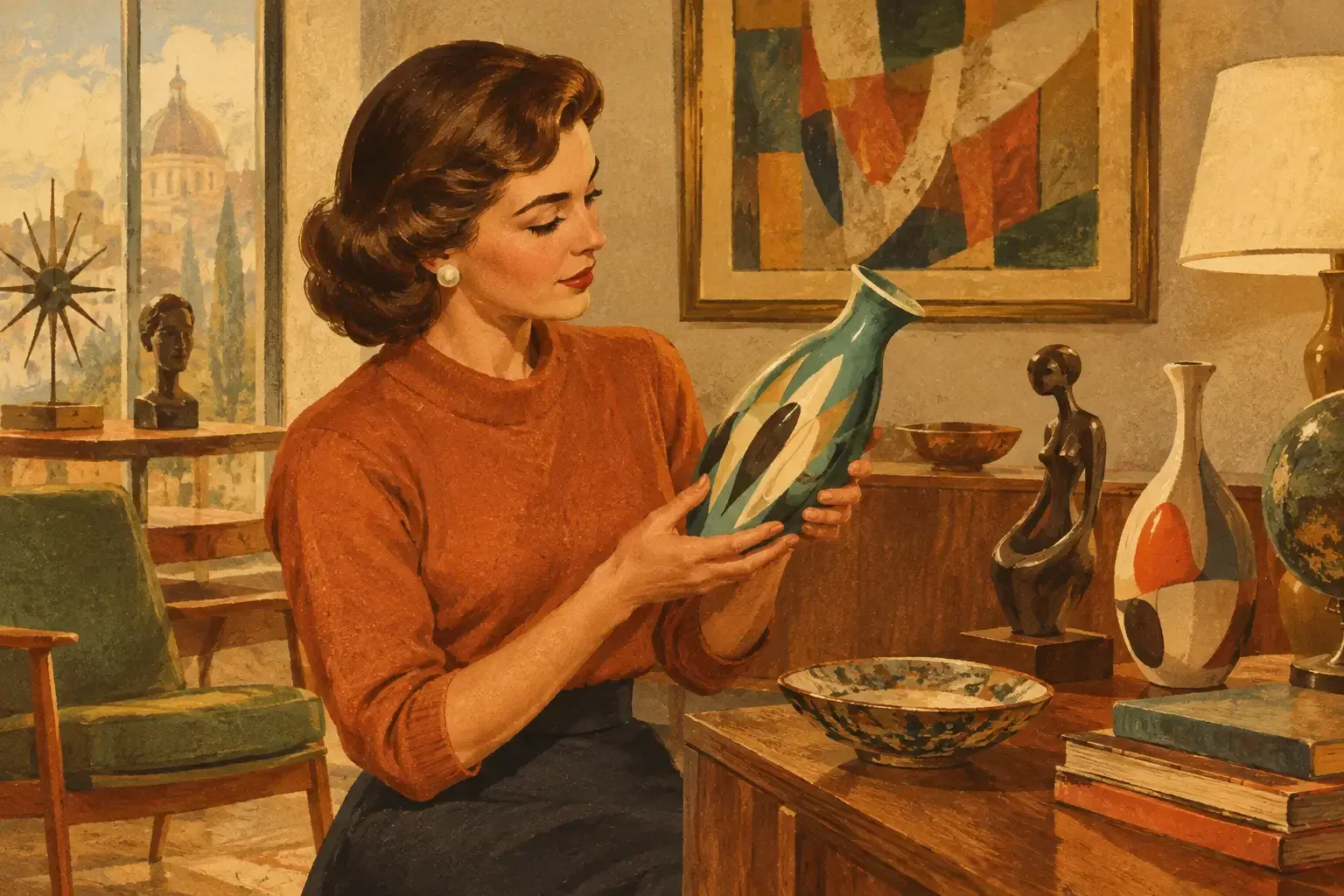
A single Italian glass lamp, a hand-thrown West German vase or a well-proportioned 1950s chair can do more for a room than a suite of matching new furniture. The appeal of collectible design pieces is not simply rarity. It is the presence they bring: evidence of skilled making, a recognisable design language and the small marks of a life lived before yours.
For buyers who value homes with character, collecting is a more considered way to furnish. It asks a little more of the eye than buying by set or trend, but the reward is an interior that feels personal rather than assembled from a catalogue. The strongest collections are not necessarily the most expensive. They are built around pieces chosen with curiosity, knowledge and a clear sense of how they will be enjoyed.
What makes a design piece collectible?
A collectible object generally has more than decorative appeal. It may represent a particular maker, material, movement, technique or period in design history. Its value can rest in scarcity, but scarcity alone is not enough. A difficult-to-find item with poor workmanship or little visual distinction will not necessarily hold the same appeal as a beautifully made object produced in greater numbers.
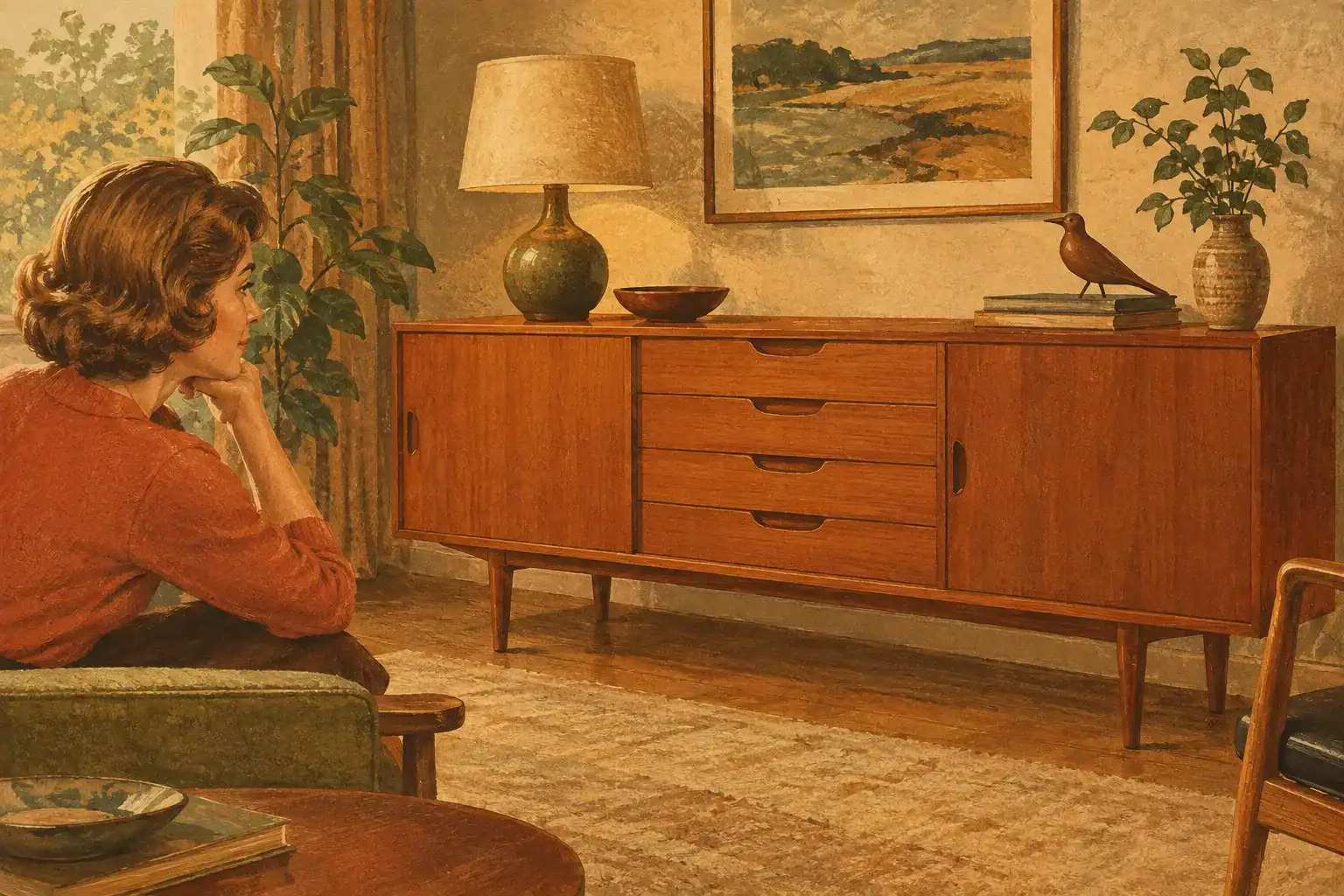
Mid-century furniture is a useful example. A teak sideboard with clean proportions and thoughtful joinery can be desirable because it reflects the design priorities of its era: practical storage, honest materials and restrained form. Add a documented maker, original fittings and a well-preserved finish, and its interest deepens. The same principle applies to vintage lighting, studio ceramics, Bakelite jewellery and architectural salvage.
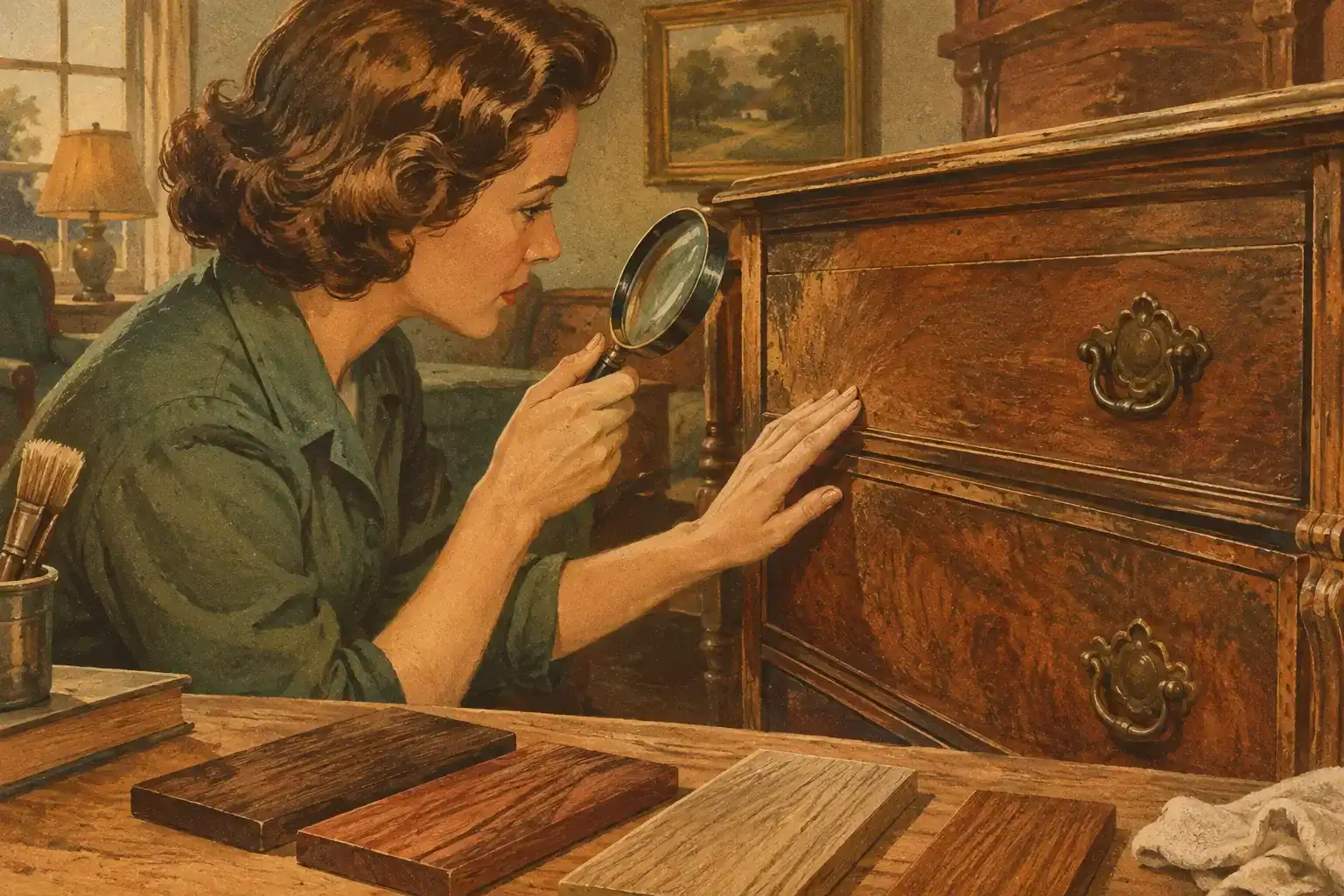
Condition matters, although it should be judged in context. Original patina can be a virtue on antique furniture, while a structural repair, major chip or unsafe electrical fitting calls for careful assessment. A vintage piece does not need to look new to be valuable. It should, however, be honestly described, sound enough for its intended use and priced in accordance with its condition.
Provenance, makers and materials
Provenance is the story of ownership or origin. Sometimes it is substantial: an original receipt, a maker’s label, a known commission or a family history. More often, it is a combination of credible clues – construction methods, stamps, labels, period hardware and informed comparison with documented examples. Provenance can support value, but it also gives an object its particular place in history.
Makers matter because certain workshops and designers developed distinctive forms or techniques. Yet an unsigned piece should not be dismissed. Many fine regional makers, craftspeople and small workshops were never consistently labelled. Look first at quality: the weight of the material, the finish of the underside, the confidence of the form and the way component parts have been made to work together.
Materials reveal a great deal. Solid timber, hand-finished metal, mouth-blown glass and properly glazed ceramic often reward close inspection. In a room, these materials also bring variation that machine-made surfaces tend to flatten out. They catch light differently, age differently and make even a simple scheme feel more layered.
Choosing collectible design pieces for your home
The most successful purchase sits between collecting and living. Before focusing on a specific era, decide what the room needs. It may be a reading lamp with a sculptural base, a low table to anchor a seating area or a ceramic vessel that gives a mantelpiece colour and height. A clear function helps prevent the common mistake of buying only for the thrill of the find, then leaving a beautiful object without a proper place.
Scale is equally important. A compact piece of mid-century furniture can provide welcome character in a Victorian terrace or modern flat, but a large cabinet may dominate a narrow room. Measure carefully, including doorways, stair turns and the final position. For lighting, consider not only the overall height and width, but where the light will fall. A striking shade may be perfect for atmosphere and inadequate for reading.
It is also worth considering how an object relates to what you already own. Collectible does not mean every item must come from the same decade. A dark oak occasional table can sit comfortably beside a streamlined 1960s chair when the proportions feel balanced. A textured piece of West German pottery can add warmth to a contemporary shelf without turning the room into a period set.
Rather than matching finishes exactly, look for a conversation between materials. Brass can pick up the golden note in teak. A glazed ceramic bowl can soften the straight lines of a glass-and-metal table. Old painted timber can bring depth to a room with polished stone or plaster walls. These quieter connections tend to last longer than a strict colour scheme.
Start with one defining object
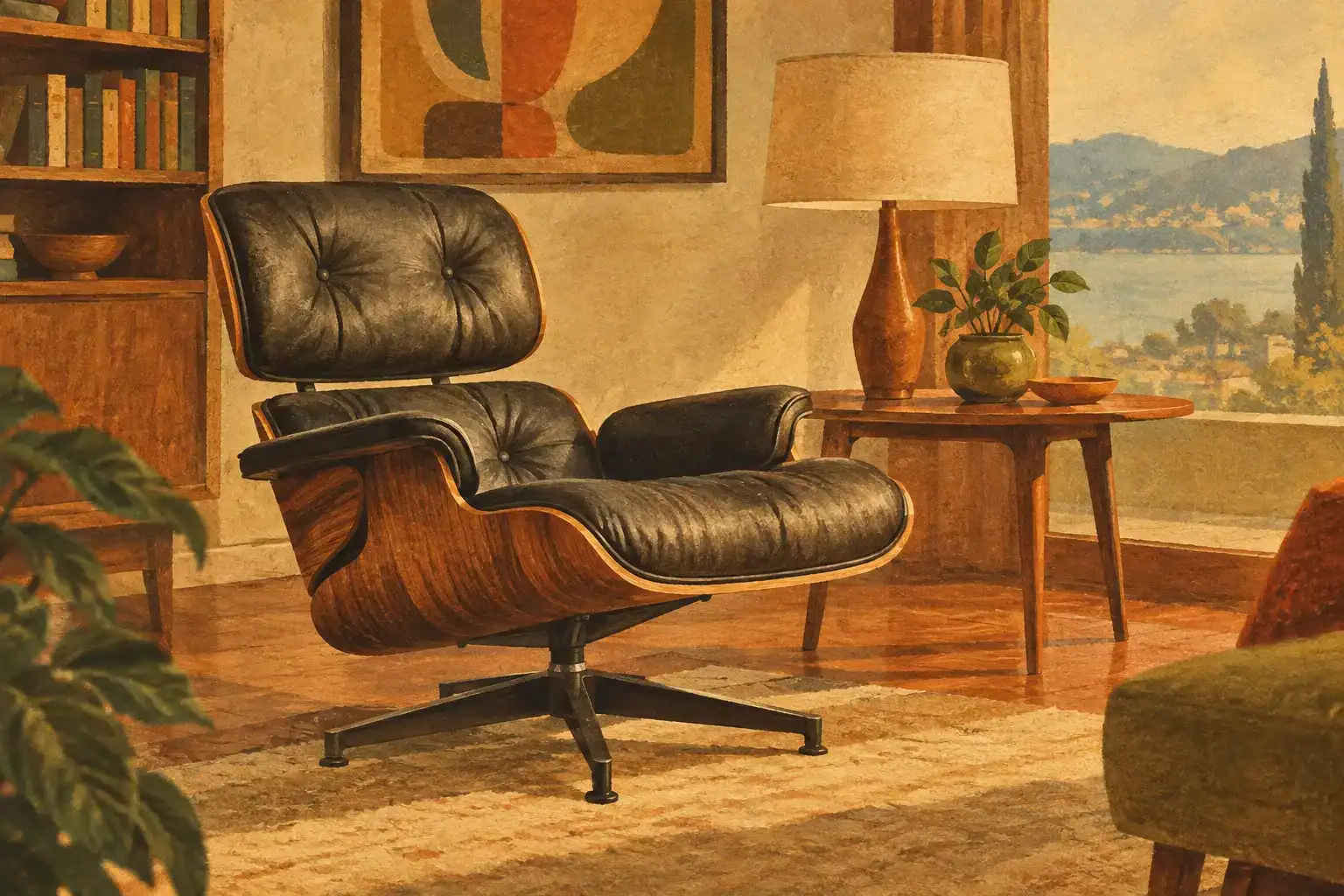
A collection becomes more coherent when it has a point of view. Begin with an object you would choose even if it were the only vintage item in the room. Perhaps that is a dramatic 1970s floor lamp, a carved folk-art figure, a Danish-style lounge chair or a large Fat Lava vase. Let its material, scale or era guide the next few decisions.
This approach leaves room for evolution. You may discover that you are drawn to earthy glazes, turned wood, graphic post-war forms or the rich tones of early plastics. There is no need to declare a category and collect it rigidly from the outset. Taste becomes clearer through handling objects, seeing them in different settings and learning which details continue to hold your attention.
Condition, restoration and honest buying
Restoration is not the enemy of authenticity. A chair that has been professionally reupholstered, a table with a sensitively revived finish or a lamp rewired for modern use may be far more practical and enjoyable than an untouched example. The key question is whether the work respects the character and construction of the piece.
Ask what has been restored and why. On furniture, check for movement in joints, evidence of woodworm, veneer loss, replaced handles and alterations to the structure. On ceramics, inspect rims, handles and bases for cracks, repairs or restoration. With lighting, ensure it has been tested or rewired appropriately, particularly where older fittings, fabric flexes or plugs are involved.
There are trade-offs. An untouched original finish may appeal strongly to a specialist collector, while a carefully restored piece can be a better choice for a busy household. Similarly, a rare but visibly damaged vase may be worthwhile for a focused collection, whereas a more common example in excellent condition might be the stronger decorative purchase. The right answer depends on whether you are buying for scholarship, use, visual impact or a combination of all three.
Clear photography and detailed descriptions are essential when buying online. Look for views of labels, bases, interiors and any flaws, not just the most flattering angle. Dimensions should be precise, and age should be described with appropriate care. Terms such as “in the style of” and “attributed to” have different meanings from a confirmed maker’s mark. A knowledgeable dealer will make those distinctions clear rather than overstate certainty.
Displaying a collection without overfilling a room
Collectible pieces need space around them. A beautiful object can lose its force when crowded by too many competing forms. On a shelf, group items by a shared element – perhaps tone, material or silhouette – while varying their height. A small stack of art books, a low bowl and a taller lamp or vessel will usually feel more composed than several objects lined up at the same level.
For ceramics and smaller decorative objects, change the display occasionally. Rotation protects sensitive pieces from prolonged sunlight and allows overlooked favourites to reappear. It also keeps a collection active without requiring constant new purchases. Store unused items carefully, especially delicate glass, pottery and jewellery, with clean wrapping and stable temperatures.
Furniture benefits from a less precious approach. Use the sideboard, sit in the chair and let a well-made table carry the signs of daily life, provided it is cared for appropriately. The point of historic design is not to create a museum at home. It is to live alongside objects that have already proved their staying power.
At MN Interior Antiques, the most memorable finds are often those that reward a second look: a glaze that changes in afternoon light, an unexpected detail in a drawer pull, or the gentle wear that confirms an object has been valued for decades. Choose pieces with that kind of staying power, and your home will gain a story that continues to grow with you.