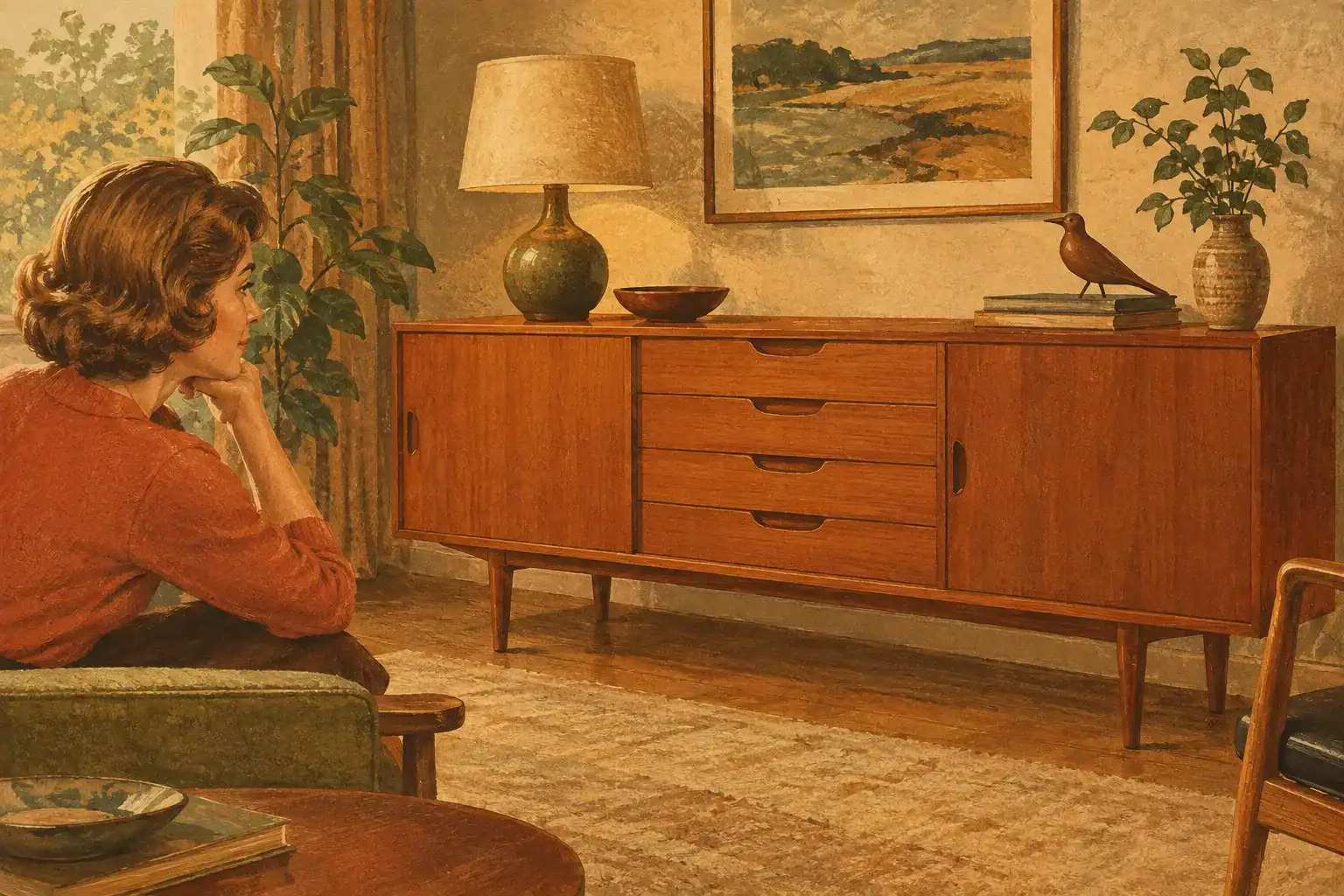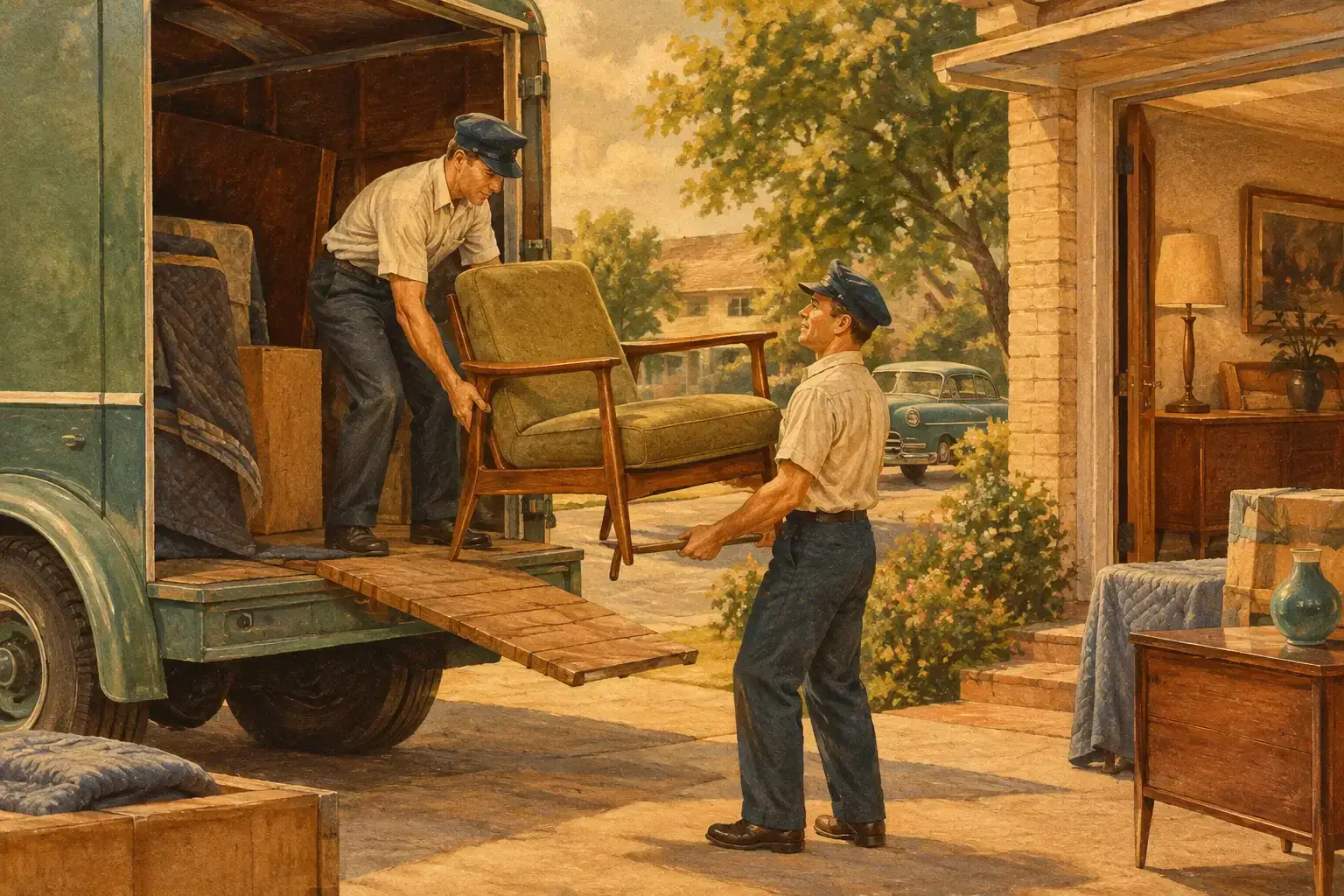
A walnut sideboard with fifty years of patina, a glazed bookcase, or a sculptural mid-century chair should arrive with its character intact. So, can vintage furniture be delivered? Yes – but it needs a more considered approach than sending a new, flat-packed item from a warehouse. Age, materials, construction and condition all affect how a piece should be handled, packed and brought into your home.
For buyers of antique furniture in Stevenage and further afield, delivery is often the practical final step between finding an exceptional piece and living with it. It is also part of buying with confidence. The right arrangements protect not only the furniture itself, but the original surfaces, old joints and small signs of age that make it worth choosing in the first place.
Can vintage furniture be delivered without damage?
Vintage furniture can be delivered safely when the method suits the object. A compact Bakelite cabinet or occasional table may be manageable with careful wrapping and a trusted courier, while a large oak dresser, marble-topped washstand or delicate display cabinet requires specialist furniture transport and experienced handling.
The distinction matters because period furniture was not made for modern parcel networks. A chest of drawers may look solid but have a weakened backboard, old handles or a lock that can catch in transit. A mid-century chair may have elegant tapered legs that are vulnerable to side pressure. Veneer can lift when knocked, glass can crack under vibration, and original polish can be marked by unsuitable tape or packing materials.
A reputable antique dealer will assess these risks before confirming the delivery option. Good delivery is not simply a question of distance. It is a question of the piece’s construction, condition, dimensions and value, alongside the access at both ends of the journey.
What determines the best delivery method?
There is no single answer for every antique or vintage item. A suitable arrangement depends on several practical details, which should be considered before payment rather than on delivery day.
Size, weight and shape
Measure more than the furniture itself. Tall wardrobes, wide sideboards and long dining tables need to pass through doorways, hallways, stairwells and turns in the route to their final room. A piece that fits beautifully against a wall can still be impossible to bring through a narrow Victorian hallway.
Weight changes the plan as well. Solid oak, cast iron, marble and thick glass require safe lifting by more than one person. Some items can be dismantled, such as table legs that unscrew or a mirror that lifts from a dressing table. Others should remain assembled because taking them apart risks damaging old fixings, joints or finishes.
Condition and original materials
A professionally restored piece may travel differently from an untouched example with expected age-related wear. Both can be desirable, but both need honest assessment. Fine surface scratches, small chips, old repairs and wear to gilding may be part of an object’s story, and these should be documented before it leaves the seller.
Particularly delicate materials include veneer, cane, rush seating, decorative moulding, old mirrors, ceramic inserts and painted finishes. Vintage lighting deserves separate care. Shades, glass fittings and fragile electrical components should be secured individually, while the condition of wiring should be understood before installation.
The journey and level of service
Local delivery can allow for more direct handling and a shorter journey, especially for buyers seeking vintage interiors in Hertfordshire. For larger or more valuable furniture travelling farther, a specialist service that transports furniture upright, protected and secured within a suitable vehicle is often the sensible choice.
It is worth clarifying whether delivery is kerbside, to the ground-floor entrance, or placed in a chosen room. Room-of-choice delivery may be invaluable for a substantial armoire or heavy bureau, but it relies on clear access and enough capable handlers. If a property has restricted parking, steep steps, a lift with limited dimensions or a tight staircase, share that information early.
Questions to ask before arranging delivery
The most useful conversations are specific. Ask for the full measurements, including depth with doors or drawers open where relevant. Confirm whether handles, mirrors, shelves or legs can be removed safely. Request a clear description of condition, especially any historic repair, loose joint, woodworm evidence, crack or missing element.
You should also establish who is responsible for packaging, loading, unloading and positioning the furniture. Ask whether the item will travel alone or alongside other consignments, and whether it will be blanket-wrapped, boxed or otherwise protected. For a glazed cabinet or antique mirror, find out how glass will be supported and whether shelves will be removed and wrapped separately.
Photography is useful before collection and upon arrival. It creates a clear record of the item’s pre-existing condition, which is especially reassuring with decorative antiques whose beauty lies in a time-softened finish rather than factory perfection. Keep the original description too. A well-written listing should distinguish between genuine age, restoration and damage.
Preparing your home for antique furniture delivery
A little preparation protects the piece and makes delivery calmer for everyone involved. Measure the entrance and the route inside, including the height beneath pendant lights, the width between banisters and any sharp turns. Move rugs, shoes, side tables and wall art that might obstruct the route. If access is particularly awkward, photographs can help the seller or carrier judge what is possible.
Choose the final position before the item arrives. Antique furniture benefits from a stable, dry environment away from radiators, persistent damp and strong direct sunlight. Sudden swings in temperature and humidity can affect timber, veneer, leather and old glue lines over time. This does not mean a historic piece must be treated as untouchable; it simply deserves the same thoughtful placement as any enduring material.
For drawers, cupboards and doors, allow the furniture to settle in the room before loading it heavily. Check that it sits level, particularly on an older floor. Felt pads can protect both floorboards and feet, provided they do not trap moisture or make a large piece unstable.
On arrival: what to check and what not to rush
Inspect the furniture before the delivery team leaves where possible. Compare it with the photographs and description, check corners and carved details, and look over vulnerable areas such as handles, feet, edges and glass. Open drawers and doors gently rather than forcing them. Old timber responds to changes in temperature and travel, and a drawer that feels tight may simply need a moment rather than a hard pull.
Do not mistake honest age for a problem. A slight irregularity in a hand-cut dovetail, mellowing to a brass handle, minor movement in a panel or variation in a hand-finished surface may be entirely appropriate to the period. The key is whether the condition matches what was described and whether the piece is structurally sound for its intended use.
If there is a concern, photograph it immediately, retain the packaging and contact the seller promptly. A knowledgeable dealer should be able to advise on appropriate next steps, whether that is a simple adjustment, a specialist repair or an assessment of transit damage.
Delivery is part of the provenance-minded purchase
Choosing an antique is different from ordering a replacement item. You are bringing home materials that have already lived through decades of use, changing tastes and careful survival. Their marks and workmanship are part of their appeal, but they also call for a delivery process that respects what cannot be replaced.
At MN Interior Antiques, the appeal of curated antiques with a story to tell is inseparable from careful presentation and clear condition detail. Whether you are considering mid-century furniture in Hitchin, a decorative ceramic, architectural salvage or vintage lighting, ask how the particular item will travel before you commit.
The best delivery arrangement may cost more than a standard courier, or take longer to schedule. That trade-off is usually worthwhile when it means an original piece arrives ready to become part of your home, with its craftsmanship, patina and history properly preserved.