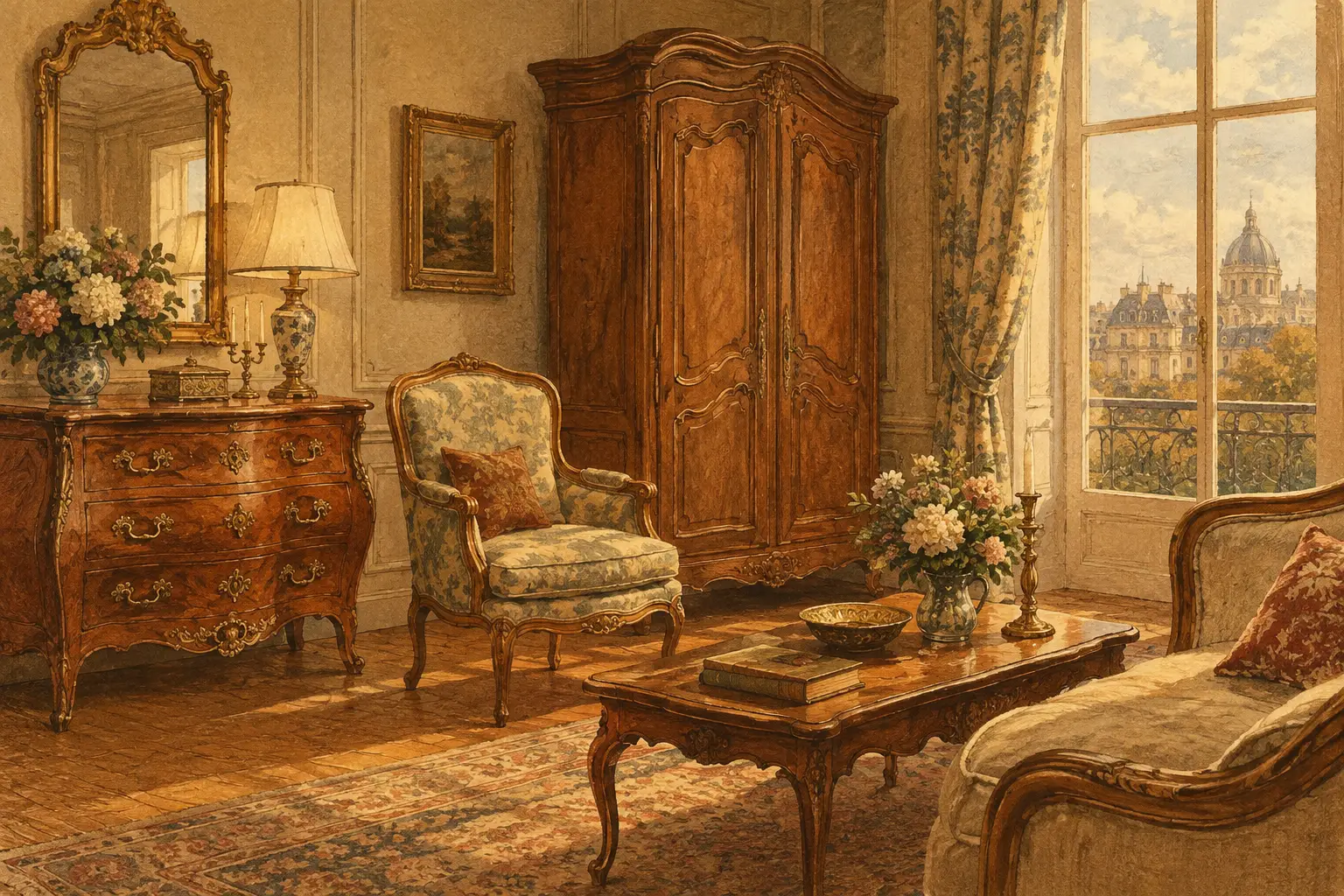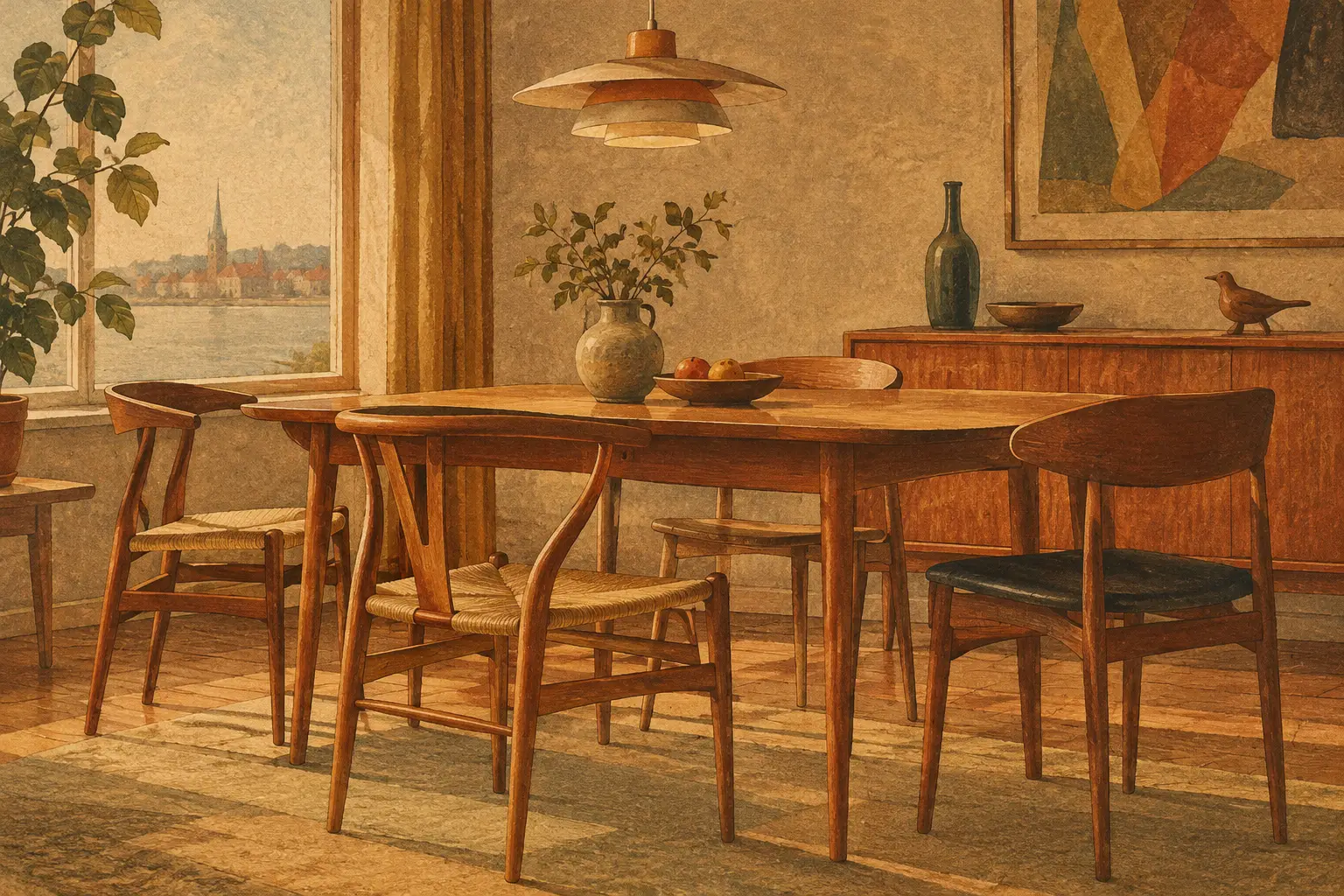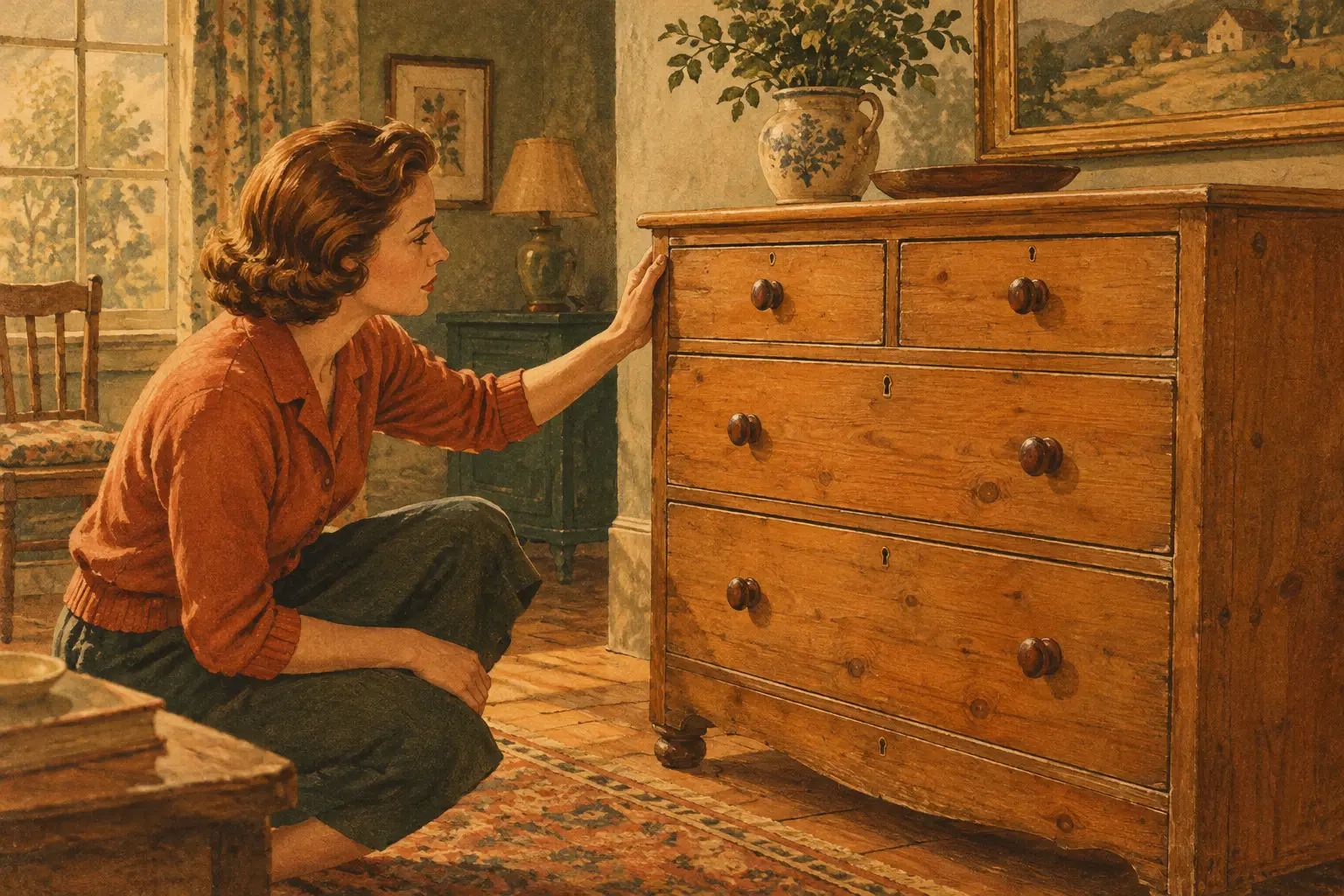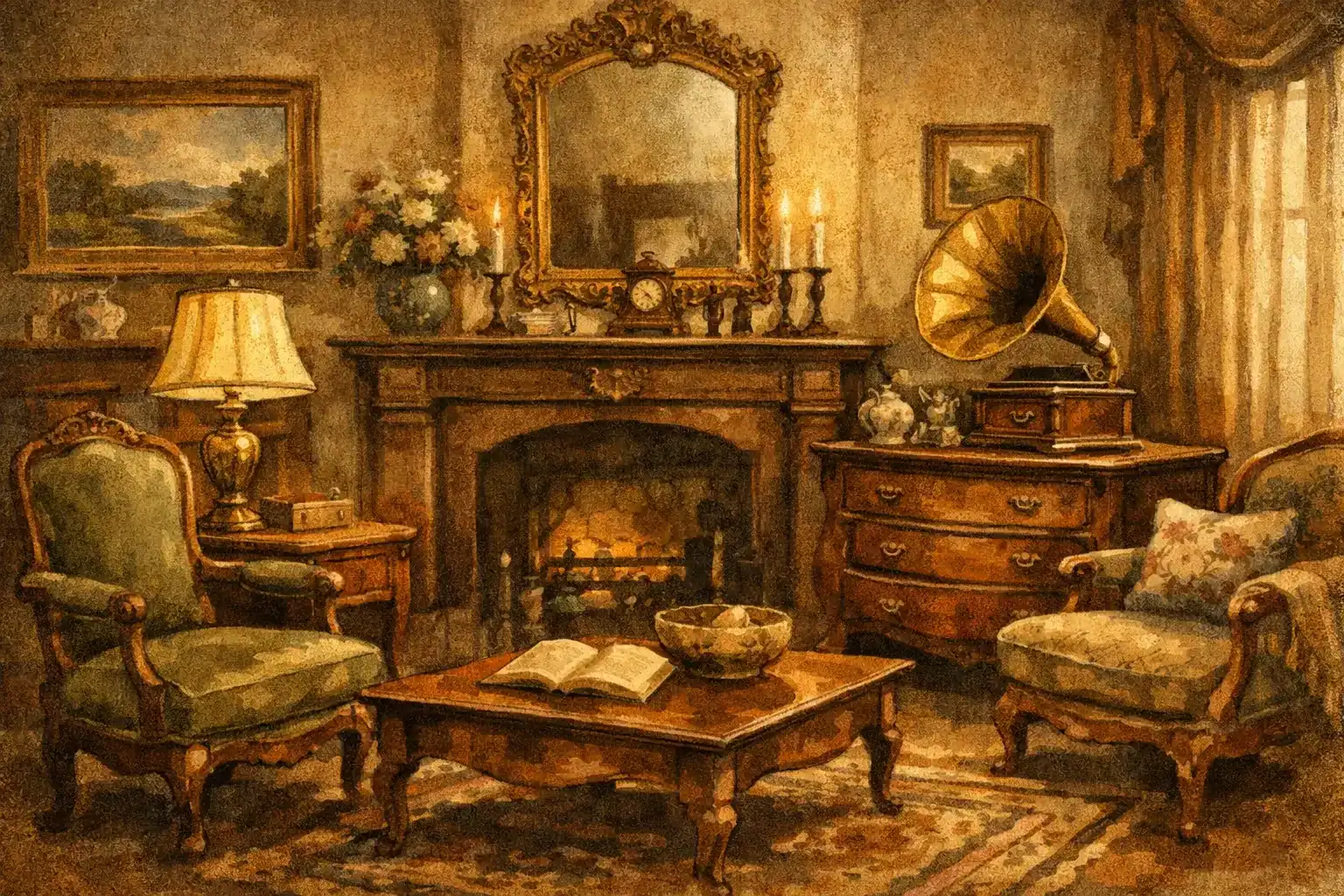
A well-made antique is not simply an older version of a new piece. It carries the decisions of its maker in the timber, joinery, proportions, and finish. For buyers seeking antique furniture Stevenage offers a compelling starting point: a chance to furnish a home with pieces that feel collected rather than ordered from a catalog.
The best choices are often the ones that balance decorative presence with everyday usefulness. A Victorian pine chest can bring warmth to a clean-lined bedroom. A Georgian side table can give a hallway a sense of arrival. A mid-century cabinet can solve storage needs while introducing sculptural form. The aim is not to recreate a period room, but to choose furniture with enough character to make a contemporary home feel personal.
Antique Furniture Stevenage Buyers Can Choose with Confidence
Buying antiques asks for a different kind of attention than buying new furniture. Age is part of the appeal, but it is not a substitute for quality. A piece should have sound structure, honest wear, and proportions that suit the way you live.
Start by considering what the furniture needs to do. A dining table may need to seat six every weekend, while a decorative occasional table only needs to hold a lamp and a few books. This distinction matters. A delicate 19th-century table may be beautiful, but a substantial oak farmhouse table could be the better choice for an active family home.
Measurements deserve equal care. Before falling for a tall glazed bookcase or broad country dresser, measure the room, the intended wall, and every point along the delivery route. Stair turns, low ceilings, and narrow doorways can make a large piece impractical, however exceptional it may be. Antique furniture was made for a variety of homes and periods, so dimensions are rarely standardized.
It also helps to view condition as part of a piece’s history rather than a simple pass-or-fail test. Gentle fading, old repairs, small knocks, and an uneven patina can give furniture credibility and warmth. Structural weakness, active woodworm, unstable legs, or damaged veneer need more careful consideration. These concerns do not automatically rule out a purchase, but they should be accurately described and reflected in the price and intended use.
What Craftsmanship Looks Like
The details usually tell the clearest story. Look at drawers, for example. Hand-cut dovetails, solid drawer bottoms, and timber that has aged evenly are encouraging signs in many earlier pieces. On a cabinet or chest, inspect how the frame meets the panels, whether doors sit comfortably, and whether the hardware is appropriate to the period.
Wood choice also affects both character and durability. Oak has a weighty, architectural feel and suits country, traditional, and pared-back interiors. Mahogany offers a deeper, more formal richness, often seen in Georgian and Victorian furniture. Pine brings softness and informality, especially when it has developed a mellow, worn surface over time. Walnut can feel particularly refined, with expressive grain that works beautifully in both classic and modern rooms.
No single material or era is inherently superior. A modest pine cupboard with great surface and useful scale may offer more pleasure than an elaborate piece that overwhelms the room. The right choice depends on craftsmanship, condition, function, and the visual conversation it creates with everything around it.
Build a Room Around Contrast, Not Matching Sets
Homes with depth rarely look as though every item arrived at once. Antique furniture works best when it is allowed to contrast with newer elements. Pair an old oak table with simple contemporary chairs, or place a polished mahogany chest against a chalky painted wall. The tension between eras makes both feel more intentional.
A useful rule is to repeat one element while varying the rest. You might echo warm wood tones across a room while mixing periods, or repeat aged brass in picture frames, lamps, and cabinet hardware. This creates cohesion without turning the interior into a themed display.
In smaller Stevenage homes and apartments, select a few pieces with visual authority rather than filling every corner. A narrow antique console, a single well-proportioned chest, or a vintage armchair can achieve more than several small, unrelated purchases. Furniture with exposed legs and a little space beneath it can also make a room feel lighter than bulky, low-slung alternatives.
The Most Useful Pieces to Look For
Certain forms earn their place in almost any house. Chests of drawers are among the most adaptable, serving bedrooms, landings, hallways, and living rooms. They offer storage without requiring the footprint of a wardrobe. Side tables move easily between rooms and are a practical way to introduce an antique finish or an unusual silhouette.
Dining tables deserve patience. Look for a top that is stable, a base that allows comfortable seating, and a surface that can tolerate the reality of meals, homework, and gatherings. Some wear is desirable, but deep splits, movement at the joints, or a heavily compromised top may not suit daily use unless restoration is planned.
Cabinets, vitrines, and bookcases offer both storage and display. They are particularly effective for collectors who want to bring ceramics, books, glass, or small design objects into view. A glazed cabinet can make even a compact collection feel considered, while a closed cupboard keeps the everyday practicalities out of sight.
Restoration Should Preserve Character
Restoration is not the enemy of authenticity. Sensitive work can stabilize a chair, repair a drawer runner, or revive a tired finish so that a piece can be enjoyed for decades. The question is whether the work respects the furniture’s age and construction.
Over-restoration can erase the very qualities that make antiques distinctive. A surface stripped to raw timber may look clean, but it can lose decades of color and handling. Replacing every old fitting with shiny new hardware can have the same effect. When possible, retain original handles, locks, keys, and finishes, even if they show modest wear.
There are times when a more complete restoration is sensible. A table intended for busy daily use may need a careful repair to its base. Upholstered seating may require new filling and fabric for comfort and hygiene. In these cases, choose materials and methods that suit the period while being honest about what has been renewed.
Ask clear questions before you buy: Has the piece been restored? Are repairs old or recent? Does it have signs of historic woodworm, and has it been treated? Are the locks, handles, and feet original? A knowledgeable dealer should welcome these questions, because a good description is part of responsible curation.
Give Antique Furniture a Life Beyond the Purchase
Once home, antiques generally need less fuss than people expect. Avoid placing wooden furniture directly beside a radiator or in strong, prolonged sunlight, both of which can dry timber and fade finishes. Use coasters, wipe spills promptly, and dust with a soft cloth. Heavy silicone sprays and aggressive cleaning products can build up on old surfaces and leave them looking dull or unnaturally glossy.
For a piece with drawers or doors, seasonal changes in temperature and humidity may cause slight movement. This is normal for solid wood. If a drawer becomes tight, do not force it. A small adjustment, rather than pressure, is usually the kinder approach.
The real pleasure of buying antiques is that they are not fixed in one role. A Georgian washstand can become a bedside table. An old worktable can hold a record player. A modest stool can serve as extra seating, a plant stand, or a sculptural accent beside a sofa. When furniture has good bones, its next chapter is limited less by its original purpose than by your imagination.
MN Interior Antiques curates furniture with this long view in mind: pieces chosen not only for their period and material, but for the way they can bring texture, usefulness, and a genuine sense of history into a lived-in home. Choose the object that you will want to touch, use, and notice every day. That is usually the one with the story worth keeping.