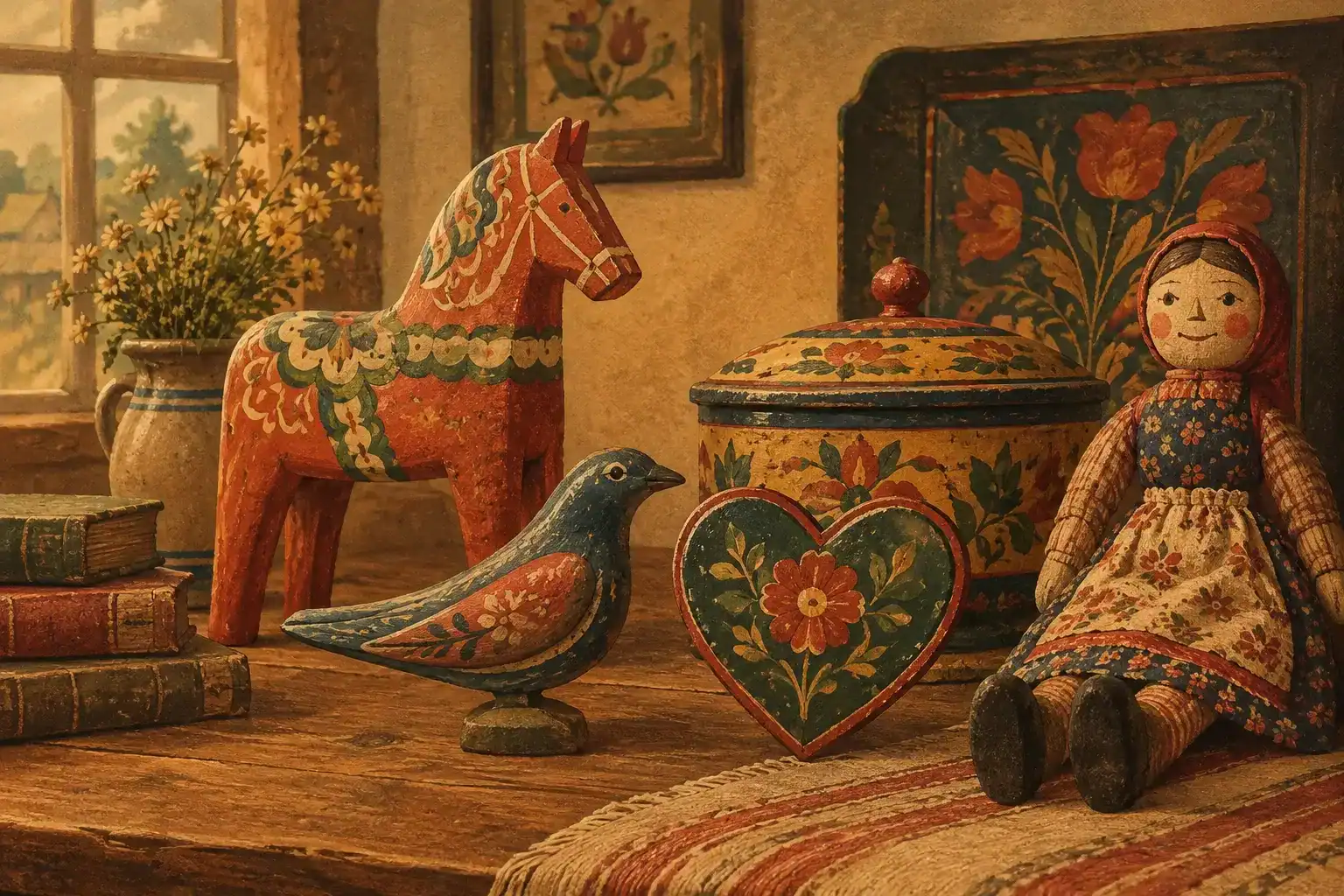
A hand-painted settle with softened edges, a carved whirligig that still catches the eye, or a naïve portrait with its original frame can bring more character to a room than an immaculate matching suite. The best folk art collectibles are not defined by polish or perfection. They are objects made outside formal art traditions, often for use, celebration, trade or simple pleasure, and their appeal lies in the evidence of the maker’s hand.
For collectors and homeowners alike, folk art offers a useful antidote to interiors that feel over-styled. These pieces introduce colour, humour, local history and an irregularity that cannot be manufactured convincingly. The key is learning which categories reward close looking, and how to recognise honest age without mistaking every old-looking object for the real thing.
What makes folk art worth collecting?
Folk art is a broad category rather than a fixed movement. It may encompass rural painted furniture, fairground decoration, carved animals, shop signs, decoys, commemorative pieces, toys, textiles and portraits by self-taught artists. What connects them is a directness of expression. A maker might simplify a bird to its most recognisable silhouette, paint flowers in an exuberant rhythm, or decorate an everyday box with a personal flourish.
The best examples retain that individuality. They need not be technically sophisticated, but they should feel resolved: the proportions work, the surface has life, and the object communicates something beyond its original function. Provenance can add interest and reassurance, especially with regional work, but an appealing piece with a believable history and strong visual presence may be the better purchase.
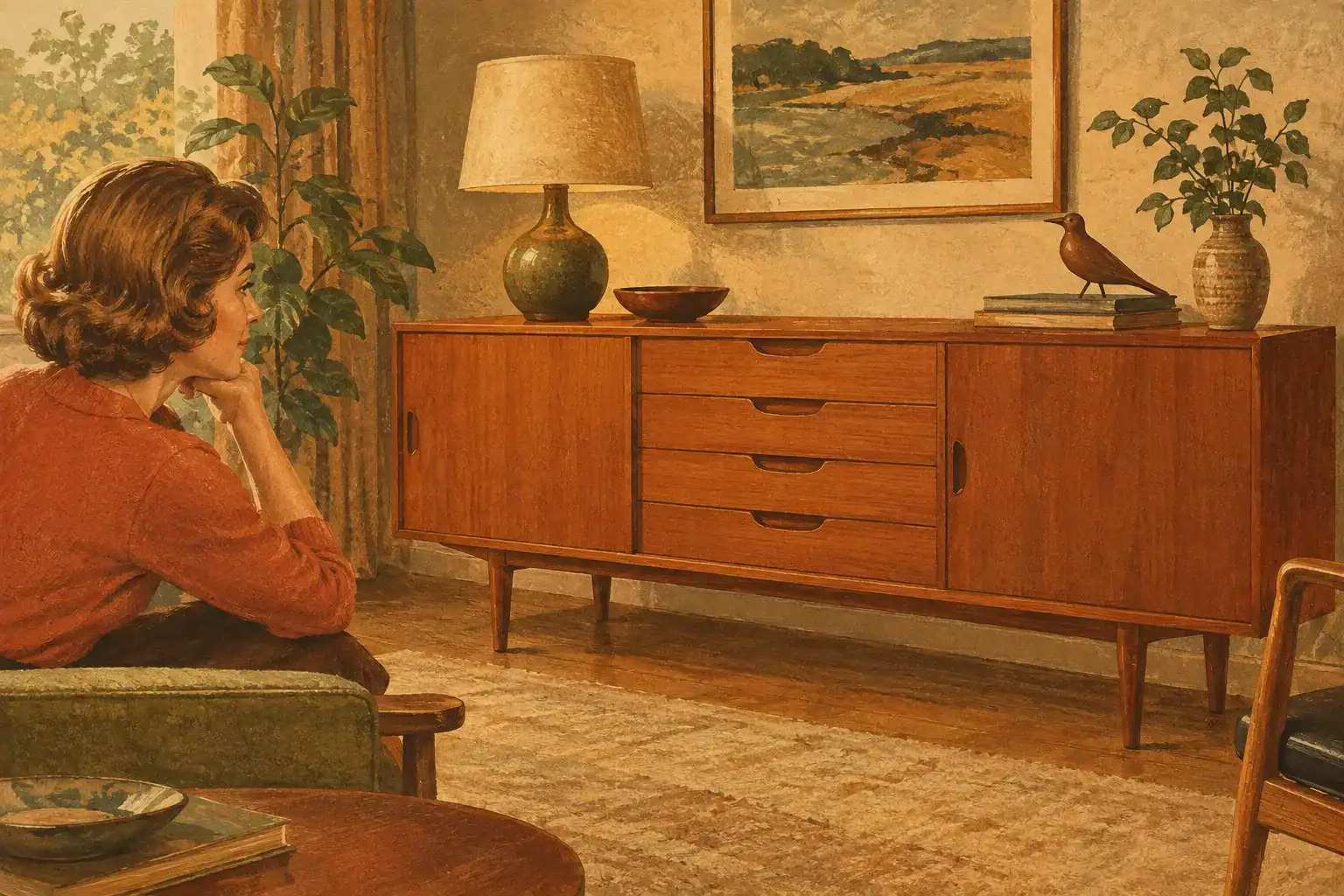
There is also a practical reason to collect folk art. Unlike many formal antiques, it sits comfortably alongside different periods. A weathered carved figure can animate a mid-century sideboard; a painted cupboard can give a restrained kitchen some warmth; a small naïve picture can make a gallery wall feel less predictable.
The best folk art collectibles for characterful interiors
Painted furniture and domestic objects
Painted furniture is often the natural starting point. Look for cupboards, chairs, blanket chests, stools and small tables with surviving decorative paint. Floral motifs, hearts, birds, geometric borders and boldly coloured grounds are all common, though the exact vocabulary varies by region and period.
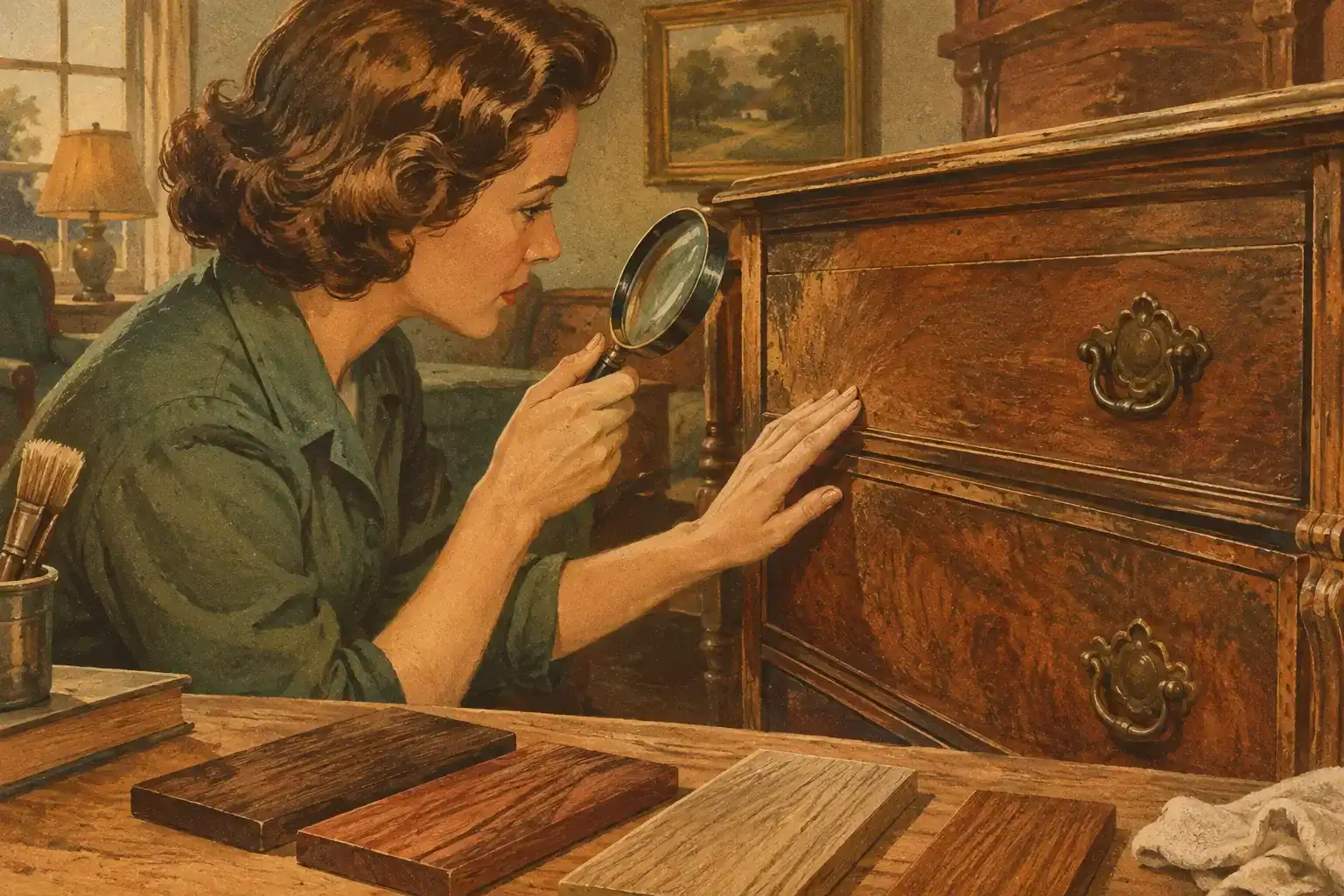
Original paint is desirable because it records use as well as decoration. Gentle abrasion around handles, feet and edges is usually welcome. Heavy losses, unstable flaking or thick later overpainting deserve more caution. A professionally restored surface can be entirely appropriate when the piece is structurally sound and the work has been honestly described, but it should not be presented as untouched.
Smaller domestic pieces often provide the most flexible entry point. A painted spice box, tool chest or trug has the same decorative energy as a large press cupboard, without dictating the whole room.
Carved animals, figures and trade signs
Hand-carved birds, animals and human figures have an immediate sculptural quality. They include decoys, carousel-style forms, shepherds’ figures, advertising characters and decorative carvings made for the home. The finest examples tend to have a strong silhouette and a surface that invites closer inspection: old paint, tool marks, repaired splits and areas worn smooth by handling.
Trade signs are particularly compelling because they were designed to be read at a distance. A carved boot, fish, bunch of grapes or animal form can work almost like a three-dimensional painting above a fireplace or on a wide shelf. Their scale is part of the appeal, but it is also the trade-off. Large signs require room around them and should not be squeezed into an already busy scheme.
Be wary of objects that look uniformly distressed. Genuine outdoor signs often show uneven weathering, old fixing holes, sensible repairs and paint loss in exposed areas. Artificial ageing tends to be too evenly distributed or too theatrical.
Naïve paintings and portraits
Naïve art can be deceptively sophisticated. Portraits, rural scenes, ships, animals and family groups by self-taught or provincial painters often have unusual perspective, flattened space and unexpectedly vivid colour. Those qualities are precisely what make them so effective in contemporary rooms.
Condition matters greatly with pictures. Examine the canvas or board for warping, tears, lifting paint and areas of clumsy restoration. An original frame adds value and visual integrity, even when it bears knocks and small losses. Do not dismiss a painting simply because the artist is unidentified. In folk art, atmosphere, composition and authenticity can matter as much as a recognised name.
Textiles, samplers and stitched pictures
Needlework offers a quieter route into the category. Alphabet samplers, commemorative embroideries, appliqué pictures and handmade quilts reveal domestic skill, personal sentiment and changing taste. They are especially effective where a room needs softness rather than another hard-edged object.
Textiles demand sensible care. Sunlight will fade dyes, damp can encourage mould, and excessive handling can weaken old fibres. Frame samplers with conservation-minded materials where possible, and avoid placing vulnerable pieces directly above radiators or in bright south-facing windows. Small holes and faded areas are normal in early textiles; active deterioration is not.
Fairground, ceremonial and seasonal pieces
Fairground panels, painted targets, banners, processional items and seasonal decorations bring theatrical colour and movement. They suit collectors who prefer a bolder, more playful interior, but they work best as punctuation rather than wallpaper. One painted panel above a console has more impact than a crowded wall of competing motifs.
With these objects, provenance is especially helpful. Fairground art has inspired many later decorative reproductions, and original pieces have usually endured a hard life. Expect repairs and paint loss, but look for evidence that the construction and wear make sense for the claimed age and use.
How to judge authenticity, condition and value
The first question is not, “Is it perfect?” It is, “Does it make sense?” Construction, materials, paint and wear should tell a consistent story. Timber should show age in the right places, joins should suit the period, and wear should follow use rather than appear scattered across the surface for effect.
Originality is rarely absolute. A nineteenth-century chair may have a later seat, a sign may have received careful paint consolidation, and a quilt may have repaired binding. These interventions are not automatic reasons to walk away. They become a problem when they obscure the object’s character, compromise its stability, or are not disclosed.
When assessing a price, consider scarcity, scale, condition, subject matter and decorative strength. A humble object can be more desirable than a grand one if its colour and form are exceptional. Conversely, a rare regional piece may hold strong historical interest while being less easy to place at home. It depends whether you are buying primarily as a collector, an interior enthusiast, or both.
Ask clear questions before purchasing: what is known about origin, which elements are original, has it been restored, and are there any structural issues? A careful dealer should be comfortable discussing condition plainly. At MN Interior Antiques, that level of description is part of the pleasure of buying curated antiques with a story to tell, rather than simply acquiring another decorative object.
Displaying folk art without making it feel staged
Folk art is at its best when it has room to breathe. Give a small carved bird a quiet shelf with one or two complementary objects, rather than surrounding it with unrelated clutter. Place a painted chest where its surface can be seen and used. Hang a naïve picture at an ordinary viewing height, not so high that its intimate details disappear.
Contrast is often more interesting than strict period matching. A primitive painted stool beside a clean-lined vintage chair, or a pair of small carvings on a modern bookcase, allows each piece to register. Repeating one colour from the object elsewhere in the room can create cohesion without turning the space into a themed display.
Light deserves attention too. Gentle, indirect light helps preserve painted surfaces and textiles, while a carefully placed lamp can bring out the relief in carving and the texture of old wood. Avoid strong direct sun and the temptation to over-clean. Dust with a soft brush or dry cloth, and seek specialist advice before using polishes, solvents or water on painted finishes.
Build a collection with a point of view
The most memorable collections are not assembled by chasing every category at once. They grow through preferences: birds, rural portraits, painted boxes, hand-stitched letters, or objects from a particular place. A loose theme gives each new acquisition context while leaving space for surprise.
Buy the piece that continues to hold your attention after the novelty of the hunt has passed. A genuine folk art object carries the trace of another life, but its real value comes from the life it begins to have in your own home.