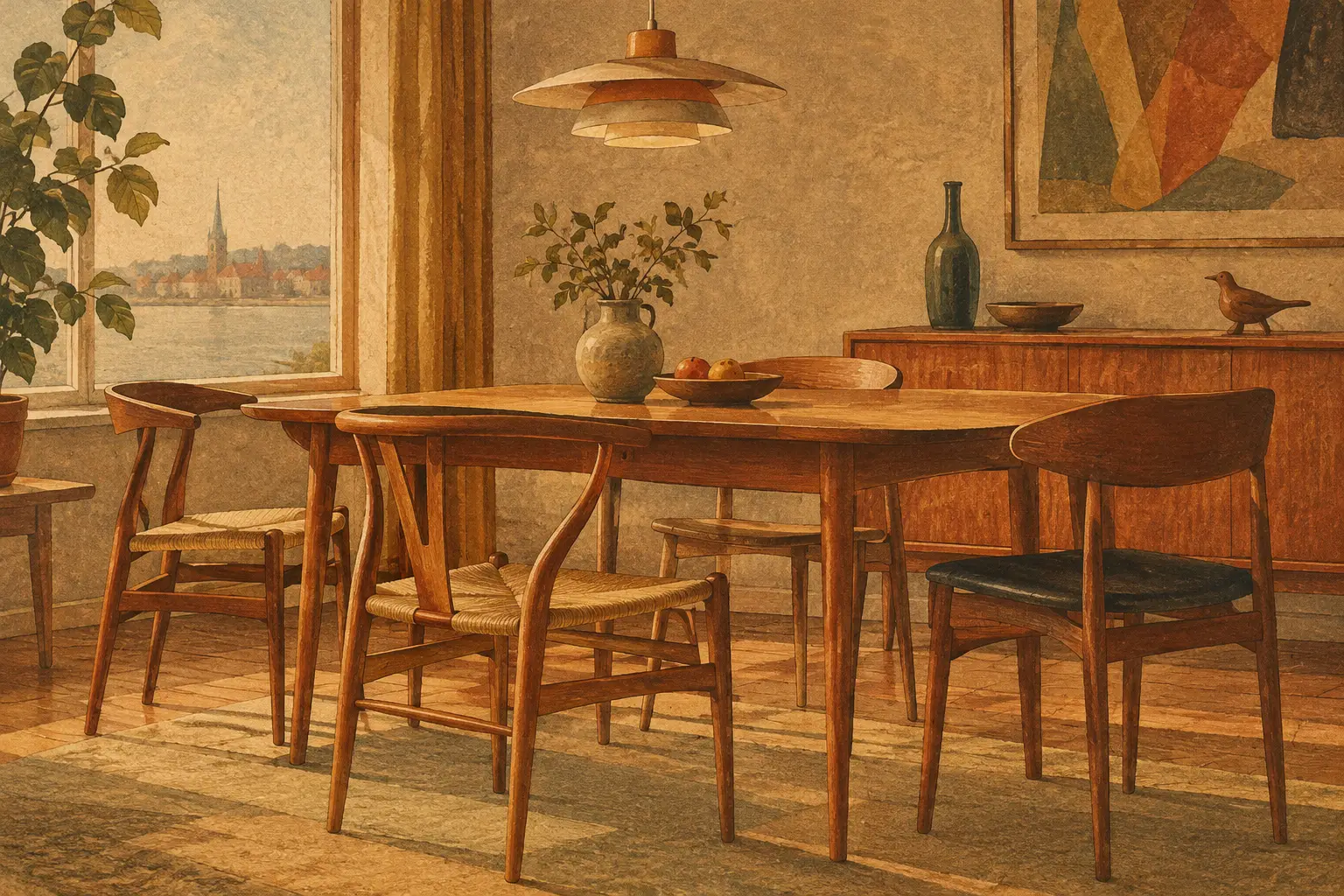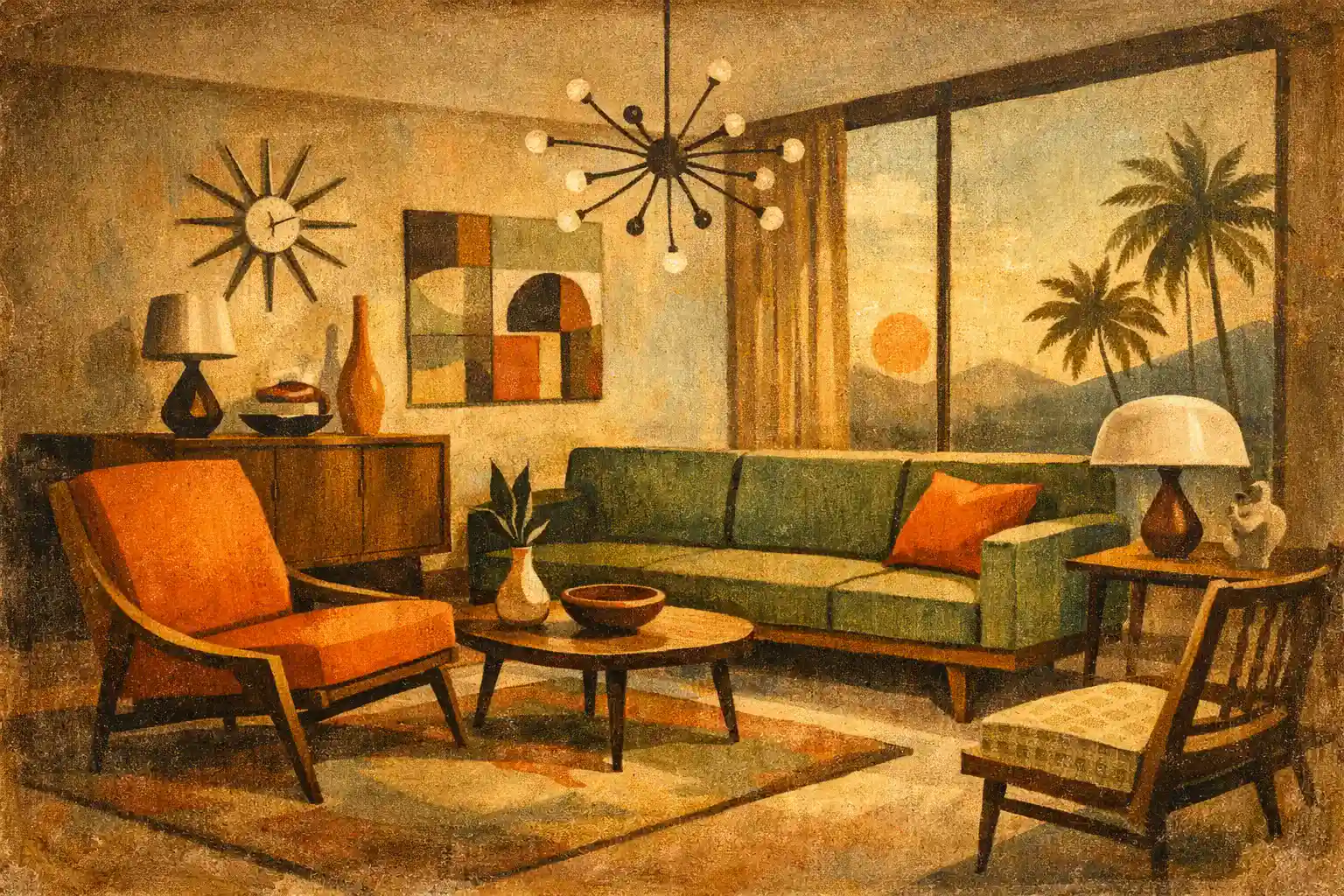
A low teak sideboard on tapered legs, a sculptural lounge chair, a ceramic lamp with clean lines – most people recognize the look before they can name it. So what is mid century modern furniture, exactly? It is a design movement shaped by the years roughly between the mid-1940s and late 1960s, known for practical beauty, honest materials, and forms that still feel remarkably current.
That last point helps explain its staying power. Mid-century modern furniture does not depend on heavy ornament or trend-driven finishes. It tends to be balanced, useful, and visually light, which is why a well-made vintage dining table or walnut chest can sit comfortably in both period homes and newer interiors.
What is mid century modern furniture style?
At its core, mid-century modern furniture combines modernist ideas with domestic warmth. Designers of the period were interested in function, proportion, and new ways of living. Homes were changing after World War II, and furniture followed suit. Rooms became more open, entertaining became more informal, and people wanted pieces that felt efficient without being cold.
This style is defined by clean silhouettes, minimal decoration, and a close relationship between form and use. A piece should do its job well, but it should also look considered from every angle. That is why even simple examples often have quiet details that reward attention – gently rounded corners, elegant joinery, shaped handles, or a subtle contrast between wood and metal.
The term itself can be used a little loosely. Some people apply it to almost any vintage piece with tapered legs. In practice, true mid-century modern furniture has a more disciplined design language. It is pared back, but not plain. It is stylish, but rarely fussy.
The hallmarks of mid-century modern design:
The easiest way to understand the category is to look at its recurring features. Mid-century modern furniture often has a low, streamlined profile that helps a room feel open. Legs are usually exposed rather than hidden behind skirting, which gives cabinets, sofas, and tables a lighter presence.
Materials matter just as much as shape. Teak, walnut, oak, rosewood, bent plywood, chrome, brass, glass, and molded plastics all appear in the period, though not always in the same combinations. Wooden case pieces are especially associated with the style, often finished to celebrate grain rather than cover it. That emphasis on natural material gives many pieces a warmth missing from later mass-market reproductions.
Color also plays a role, but usually with restraint. Upholstery and accessories might introduce mustard, olive, rust, burnt orange, or deep blue, while larger furniture pieces remain grounded in wood tones. The result is composed rather than chaotic.
Another hallmark is versatility. A mid-century coffee table may look sculptural, but it was designed for real use. Sideboards offer generous storage. Nesting tables save space. Modular shelving responds to changing rooms and routines. Good design from this period is rarely decorative for decoration’s sake.
Why the lines feel so modern:
One reason the style still feels fresh is that it rejected visual clutter. Shapes are edited down to what is needed, which means many pieces avoid the details that can lock furniture too tightly into one decade. A Danish teak desk from the 1960s, for example, can look more relevant in a contemporary home than a brand-new imitation made to chase the same aesthetic.
That does not mean every original piece works everywhere. Some are compact by modern standards, and some seating can be firmer than buyers expect. But the best examples offer a balance of utility and character that is hard to fake.
A brief history behind the look:
Mid-century modern furniture developed across several countries and design traditions. Scandinavian makers helped popularize warm woods, organic shaping, and exceptional craftsmanship. American designers pushed innovation in molded materials and mass production. British and European manufacturers brought their own variations, often adapting modern design to smaller homes and different tastes.
This is why the category is broader than many people assume. It includes iconic designer work, but also well-made everyday furniture produced for ordinary households. Not every valuable piece needs a famous name. Sometimes the appeal lies in proportion, quality, and the story of how the object was made and used.
The postwar context matters here. There was optimism in design, but also practicality. Furniture needed to suit modern living, smaller footprints, and changing family habits. That tension between aspiration and utility is part of what gives the period its enduring appeal.
What mid-century modern furniture is not:
Because the style is so widely copied, it helps to define what it is not. Mid-century modern is not the same as all vintage furniture from the 1950s or 1960s. Some period furniture was traditional, ornate, or heavily decorative. Likewise, not every minimalist piece qualifies simply because it has angled legs.
It is also not identical to Danish modern, though the two are often linked. Danish modern sits within the wider mid-century story, but the broader category includes American, British, Italian, and other regional design languages.
And perhaps most importantly, mid-century modern furniture is not always rare or expensive. Certain designers and materials command strong prices, but there are still many honest, beautifully made pieces that remain accessible. The real difference is usually quality – how well the item was built, how well it has survived, and whether its design has integrity.
How to spot a good vintage piece:
If you are buying rather than simply admiring, condition and construction deserve as much attention as style. A well-selected mid-century piece should have clarity of line, but also substance. Drawer interiors, veneer quality, leg joints, and back panels can tell you a great deal.
Look for solid craftsmanship and age-appropriate wear rather than perfection. Small marks, mellowed finishes, and minor signs of use are often part of the piece’s history. What matters more is whether the structure is sound and whether any restoration has been carried out sympathetically. Over-refinished wood can lose character, while poor repairs can weaken both value and appearance.
Scale is worth thinking about too. Many authentic mid-century pieces were designed with modest room sizes in mind, which can be a real advantage today. A compact sideboard or occasional chair may offer just the right amount of presence without overwhelming the space.
Original vs reproduction:
There is nothing inherently wrong with a reproduction if the goal is simply to borrow the look. But it is a different proposition from owning a period piece with provenance, material depth, and a history of use. Original furniture often has finer detailing, better timber, and a sense of authenticity that becomes clearer the longer you live with it.
That said, buying vintage comes with trade-offs. Some pieces need rewiring, reupholstery, or careful restoration. Measurements can be idiosyncratic. Delivery and sourcing may take longer than buying off the shelf. For many buyers, that is precisely where the value lies. You are not just filling a room. You are choosing an object with permanence and story.
Why collectors and homeowners still want it:
Mid-century modern furniture continues to appeal because it bridges several priorities at once. It has design credibility, yet it is usually livable. It carries history, yet it does not feel trapped in the past. It works with antique pieces, contemporary art, plain white walls, richer interiors, and homes that evolve over time.
For collectors, there is satisfaction in identifying makers, materials, and regional variations. For homeowners, the attraction is often simpler. These pieces make a room feel considered. A well-proportioned cabinet or vintage lounge chair can add depth that mass-produced furniture rarely achieves.
That is also why curated sourcing matters. A strong selection helps separate genuinely interesting examples from the flood of generic lookalikes. At MN Interior Antiques, that editorial eye is part of the appeal – choosing pieces not just because they fit a category, but because they bring craftsmanship, presence, and story into the home.
How to use mid-century modern furniture today:
The best rooms rarely read like a showroom recreation of one era. Mid-century modern furniture is especially effective when mixed with contrast. A teak sideboard can ground a room with older art, textured rugs, and antique lighting. A pair of sculptural chairs can sharpen a more traditional interior. The style’s restraint gives you room to layer.
It also helps to be selective. One strong storage piece, one occasional chair, or one elegant table may do more than a whole room of matching furniture. The aim is not to imitate a catalog from 1962. It is to build an interior with character and balance.
If you remember one thing, let it be this: mid-century modern furniture endures not because it is fashionable, but because the best examples are useful, beautifully made, and quietly distinctive. Buy with your eye, but also with your hand – the materials, weight, finish, and craftsmanship usually tell the real story.