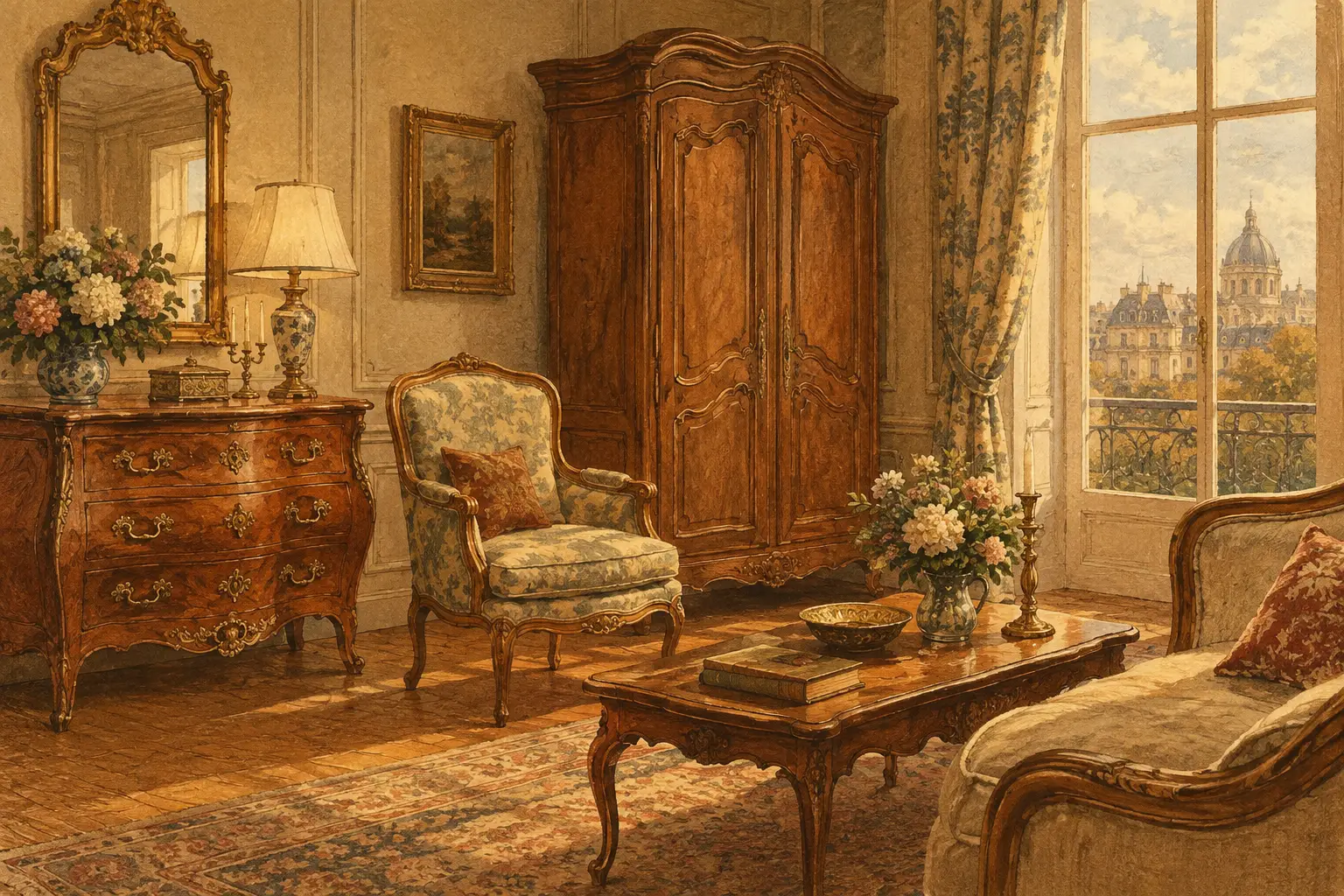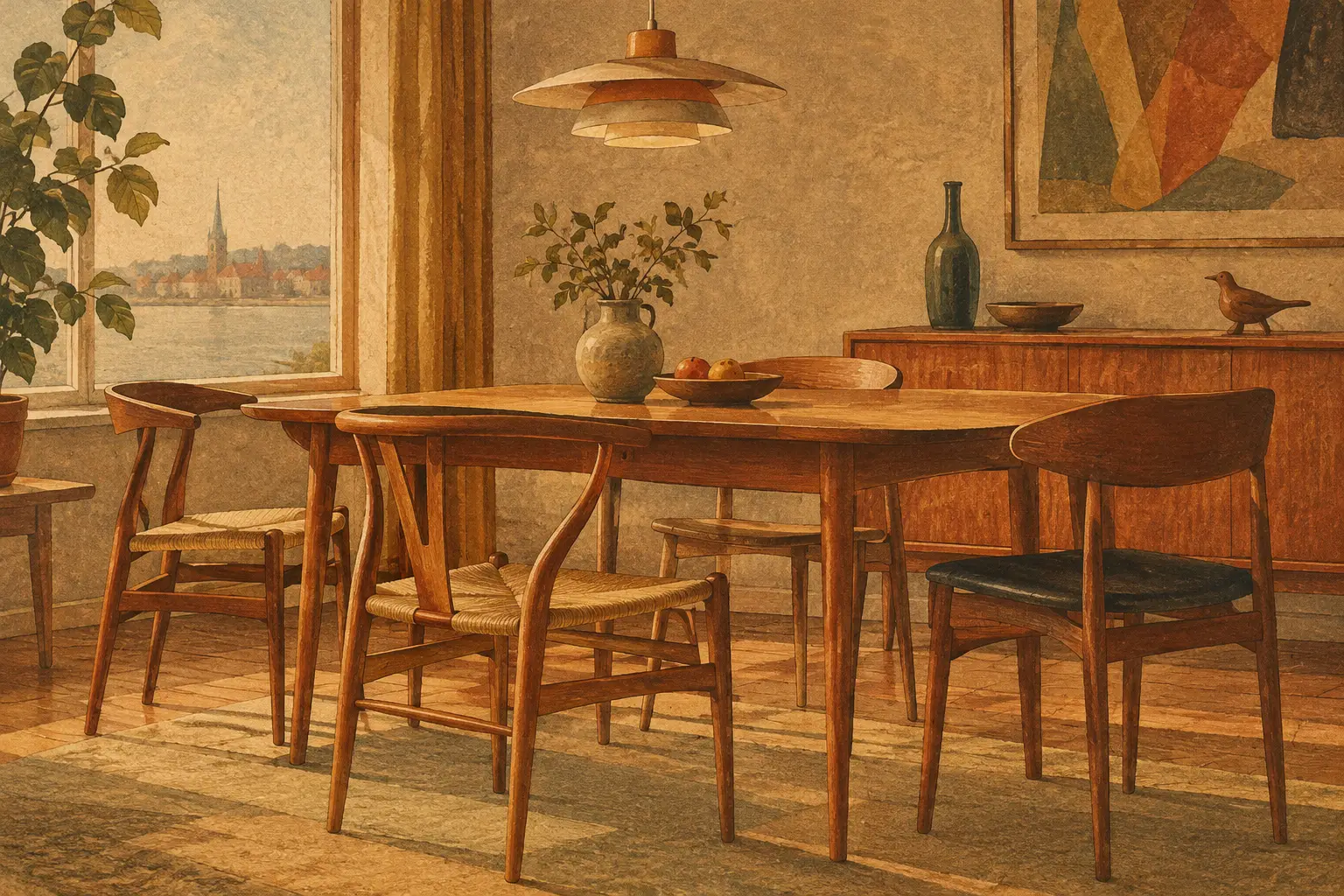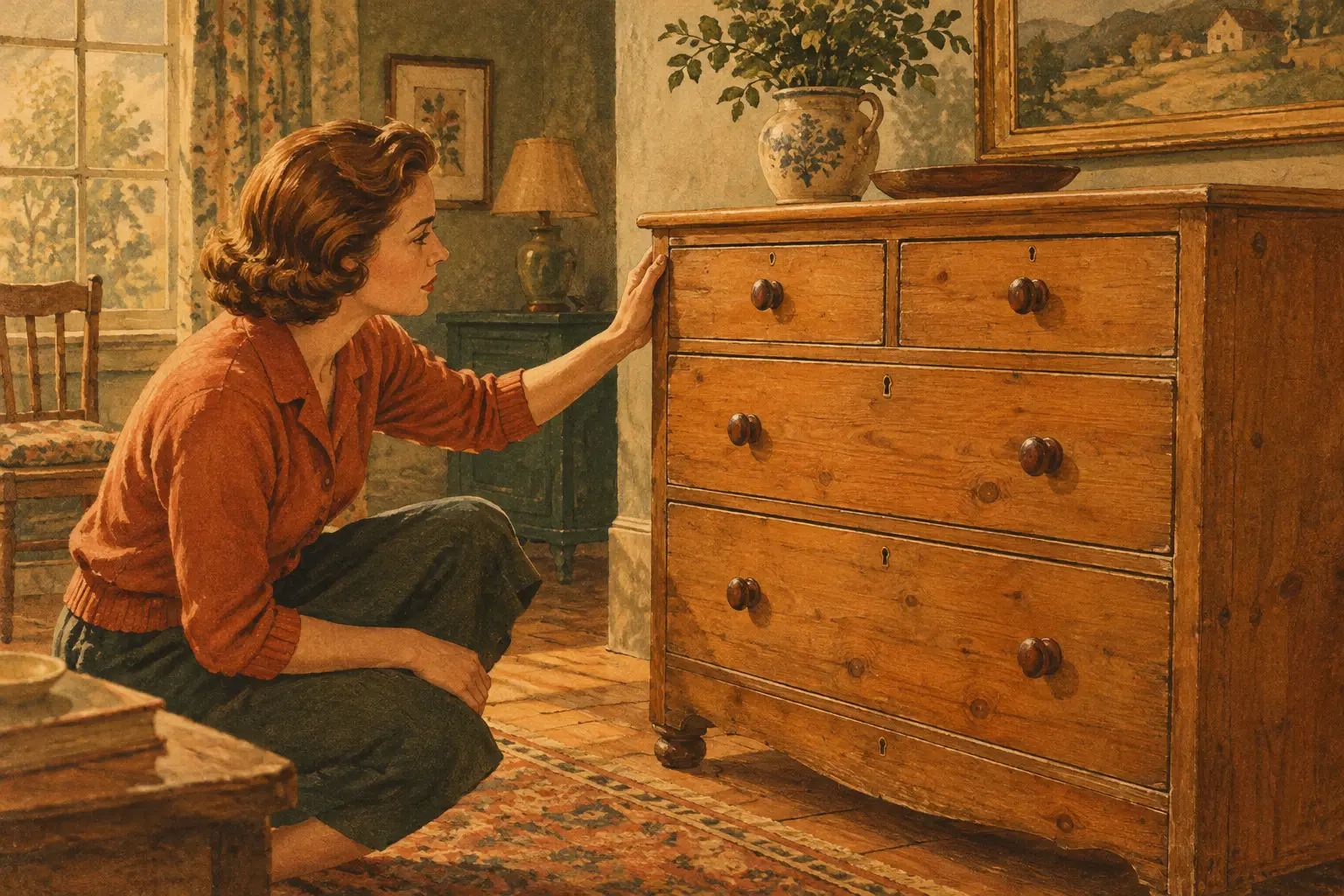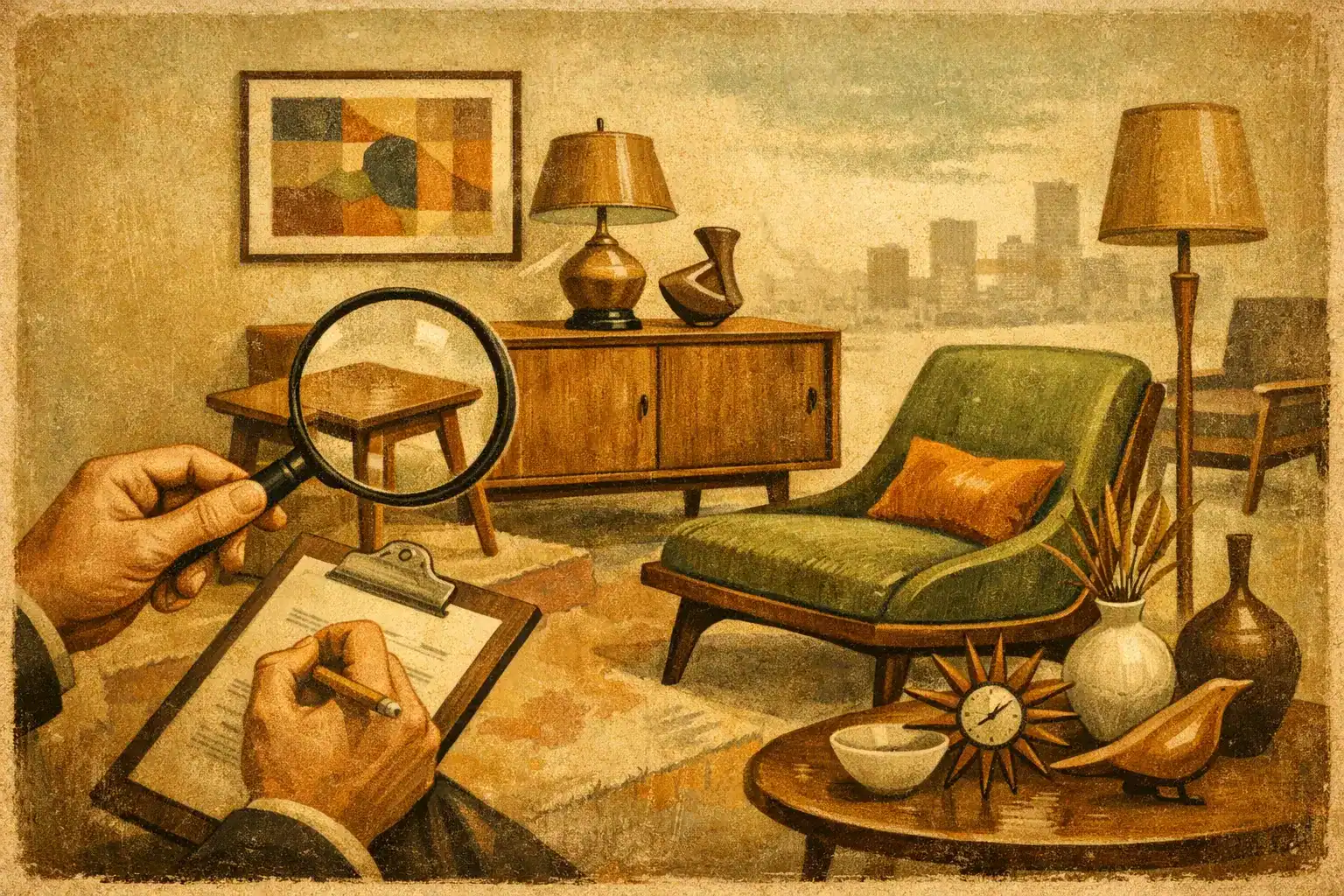
A teak sideboard marked by a respected maker can be worth many times more than a similar-looking piece with no label at all. That is why learning how to value mid century modern furniture is less about guessing a price from style alone and more about reading the object properly – its maker, materials, condition, rarity, and place in the current market.
For buyers and collectors, this matters for more than resale. A well-bought mid-century piece can anchor a room for decades, while an overpriced example with poor restoration or weak provenance can lose much of its appeal once the initial excitement wears off. Good valuation sits at the point where design history, craftsmanship, and practical market knowledge meet.
What actually determines value?
Mid-century modern furniture is not one single market. A Danish rosewood dining table, an American walnut credenza, and a British teak chest may all belong to the same broad design era, but they do not carry the same level of demand. Value depends on a mix of authorship, quality, condition, desirability, and timing.
The first question is simple: who made it? Recognized designers and manufacturers tend to command stronger prices because collectors trust the design pedigree and build quality. Names such as Hans Wegner, Finn Juhl, Arne Vodder, Paul McCobb, or manufacturers like G Plan, Ercol, and Herman Miller can shift a piece into a very different bracket. Even within the same maker, some models are more sought after than others. A standard cabinet may have decorative appeal, but an iconic lounge chair or rare sideboard often attracts stronger competition.
Materials matter just as much. Solid teak, rosewood, walnut, oak, and high-quality veneers tend to hold attention, especially when the grain is striking and the construction is crisp. Mid-century furniture was often beautifully engineered, with refined joinery, sculpted handles, and elegant proportions. Pieces that show these details clearly are usually easier to value with confidence than generic examples made in large numbers.
How to value mid century modern furniture by maker and provenance
If you want the fastest route to a realistic valuation, start with identification. Turn the piece over, open drawers, inspect the back panel, and look underneath. Labels, stamps, foil badges, penciled stock numbers, and old retailer marks can all help. Original paperwork, receipts, or catalog references can strengthen the case further.
Provenance does not always need to be dramatic to matter. A sideboard bought new from a known retailer in the 1960s, still with its label and family history, will usually inspire more confidence than an unmarked piece with an uncertain past. Confidence affects value because buyers pay more readily when they know what they are looking at.
That said, lack of a label does not make a piece worthless. Many attractive mid-century items have lost their marks over time. In those cases, valuation becomes more comparative. You look at construction, timber, proportions, hardware, and design language. Is it clearly Scandinavian in influence? Is it a known British production style? Does it align with documented ranges? Expertise matters here, because the market often distinguishes sharply between attributed, documented, and merely similar pieces.
Condition can raise or cut the price dramatically
Condition is where many valuations shift. Mid-century furniture was made for use, so wear is expected. Light age-related marks, minor fading, and a gentle patina are often acceptable, even desirable. They can support authenticity and character.
Structural issues are another matter. Loose joints, warped tops, missing shelves, replacement handles, veneer loss, water rings, deep scratches, and heat damage can all reduce value. So can poor restoration. A heavily sanded top, glossy refinishing that ignores the original finish, or mismatched repairs may make a piece look cleaner to an untrained eye, but collectors generally notice.
There is always a balance to strike. Sensitive restoration can protect value, especially when it stabilizes the piece and improves its appearance without erasing its age. Reupholstered seating can still be highly desirable if the frame is original, the work is well done, and the fabric suits the design. But once originality is lost in a major way, the upper end of the market may become harder to reach.
Size, function, and room appeal
Not every superb design sells at the same pace. Market value is partly shaped by how people live now. Mid-century coffee tables, sideboards, lounge chairs, dining chairs, and compact storage pieces remain popular because they fit contemporary interiors easily. Very large wall units or oversized dining sets can be more difficult, even when they are well designed, simply because fewer homes can accommodate them.
Function also matters. A beautiful chest with useful storage may outperform a less practical occasional piece. Bars, record cabinets, modular shelving, and sculptural lighting-friendly consoles often benefit from lifestyle trends. Furniture that works well in apartments and family homes tends to have a broader buyer pool.
This is one reason local demand can influence pricing. In design-conscious areas where buyers are actively furnishing older homes or mixing vintage into modern spaces, strong decorative pieces can perform especially well. A curated dealer serving buyers around Hitchin and the wider Hertfordshire area may see firsthand how practical scale and decorative presence affect real-world demand.
Rarity helps, but only if people want it
Scarcity alone is not enough. A rare piece from an obscure maker may still struggle if there is little collector recognition or if the design is awkward. On the other hand, a relatively well-known model in exceptional condition can command impressive prices because demand is deeper.
This is where valuation becomes nuanced. Limited production, unusual finishes, uncommon wood species, or hard-to-find model variations can all raise interest. Yet rarity only adds serious value when it meets desirability. The market rewards the pieces people have been actively searching for, not just the ones they happen to see infrequently.
How to read the market without oversimplifying it
Anyone trying to understand how to value mid century modern furniture should compare actual asking prices with a careful eye, but asking prices are only part of the story. Dealers may price higher because they have authenticated, restored, photographed, and properly presented a piece. Private sellers often price lower, but their examples may have weaker condition, incomplete attribution, or less buyer trust behind them.
Auction results can be useful, though they need context. A strong result may reflect rarity, excellent provenance, or two determined bidders. A weak result may say more about timing, poor catalog photography, or a regional audience than about the object itself. Looking at several comparable sales is always better than relying on one headline number.
Try to compare like with like. Measure dimensions, note wood type, confirm labels, assess restoration, and pay attention to whether upholstery or components are original. A six-foot teak sideboard by a known maker should not be valued against an unmarked cabinet that only shares a vaguely similar silhouette.
Common mistakes that lead to overpricing or undervaluing
The most common mistake is assuming that all mid-century furniture is highly valuable because the style is fashionable. Some pieces are collectible. Some are simply attractive vintage furniture. There is a difference, and the market usually knows it.
Another mistake is equating age with worth. Mid-century means roughly mid-20th century, but age alone does not create demand. Maker, design quality, and condition still do the heavy lifting.
Undervaluing often happens when original details are overlooked. A label tucked inside a drawer, a distinctive handle design, or a known upholstery frame can completely change the reading of a piece. Overpricing often happens when sellers rely on optimistic online listings rather than realistic comparables.
When to get a professional opinion
If a piece appears to be by a significant designer, has unusual construction, or sits in a higher-value category such as rare Scandinavian cabinetry or iconic lounge seating, a professional valuation is worthwhile. The same is true when you are considering restoration. Spending money on refinishing or reupholstery makes more sense when you understand whether the finished value will justify the work.
A knowledgeable dealer can often spot details that casual buyers miss – whether a finish is original, whether a maker attribution is credible, and whether the current market is strong for that particular form. That kind of judgment is especially useful when the piece is decorative but not fully documented, which is often the gray area where many mid-century valuations live.
The best valuations are never just about price. They also tell you what the piece is, why it matters, and how it fits into a living interior or a developing collection. That is often the real value of buying well: choosing furniture with lasting presence, honest craftsmanship, and a story that still feels relevant in the room today.