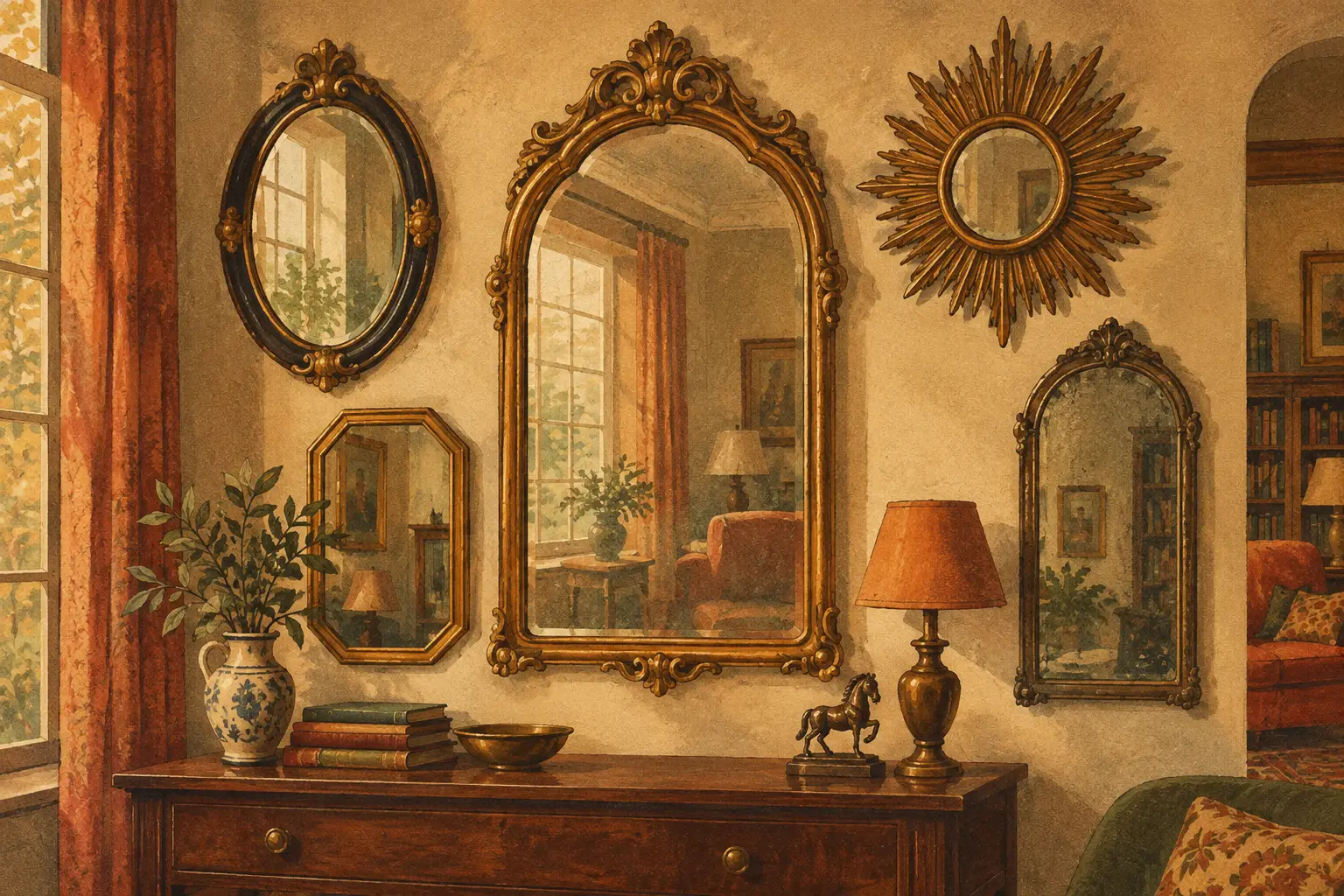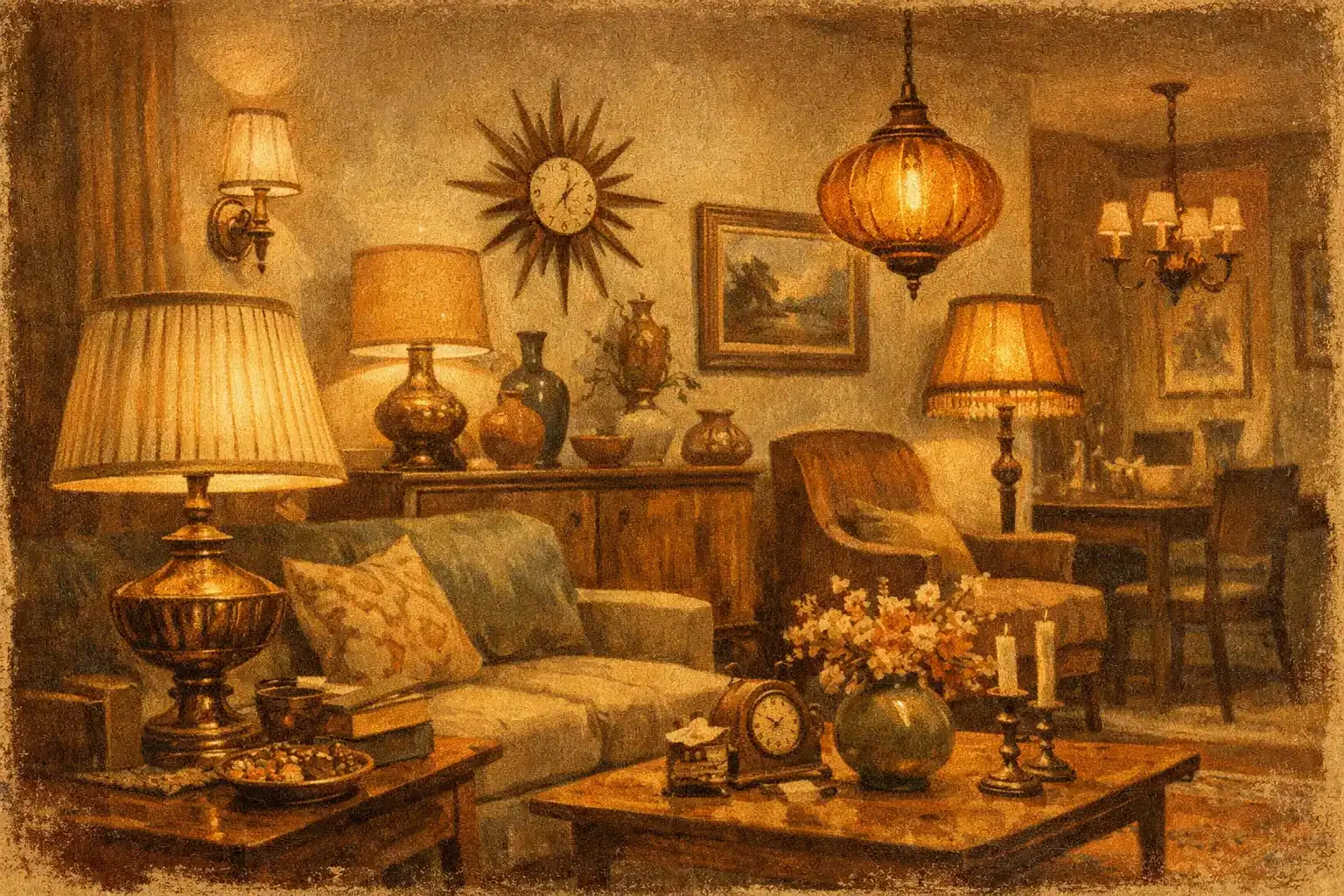
A room can have beautiful furniture and still feel unfinished until the lighting is right. A painted metal pendant, a brass pharmacy lamp, or a textured ceramic table lamp does more than illuminate a corner. Vintage lighting and interiors give a home its atmosphere: pools of warm light, shadows that reveal texture, and objects that make a space feel assembled over time rather than ordered all at once.
The appeal is not simply nostalgia. Well-chosen older lighting carries evidence of design decisions, skilled making, and materials that often improve with age. Paired with furniture, art, ceramics, and architectural details from different periods, it can make even a recently decorated room feel personal and settled.
Why vintage lighting changes an interior
Lighting is both practical equipment and decorative sculpture. During the day, a mid-century glass globe, an articulated task lamp, or a carved wooden base contributes shape and material to the room. After dark, it controls how every other object is seen. This dual role is why a single strong lamp can shift the balance of an entire interior.
Older pieces also tend to introduce the contrast that modern rooms often need. A clean-lined sofa gains warmth beside an oxidized brass lamp. Plaster walls look richer under a softly shaded antique sconce. A contemporary kitchen can tolerate a little formality when a pair of vintage pendants adds patina above the island.
There is no requirement to recreate a period room. In fact, the most convincing spaces rarely do. A 1930s lamp beside a 1970s ceramic vase and a contemporary chair can work beautifully when the scale, finish, and color temperature are considered together. The shared quality might be earthy glaze, honest materials, or an appealingly sculptural silhouette rather than a matching date.
Choosing vintage lighting and interiors with purpose
Begin with the job the light needs to do. Ambient lighting sets the overall mood, task lighting supports reading, cooking, or working, and accent lighting draws attention to art, a display shelf, or an architectural feature. A decorative lamp that is too small to read by can still be perfect on a console, while a large shade may overwhelm a bedside table despite being visually appealing on its own.
Scale is the first practical test. A lamp should relate to its surface and to the furniture around it. On a bedside table, the bottom of the shade generally works best around shoulder height when sitting in bed, so the bulb is concealed and the light falls where it is useful. Over a dining table, a pendant needs enough presence to anchor the table without obstructing sightlines across it.
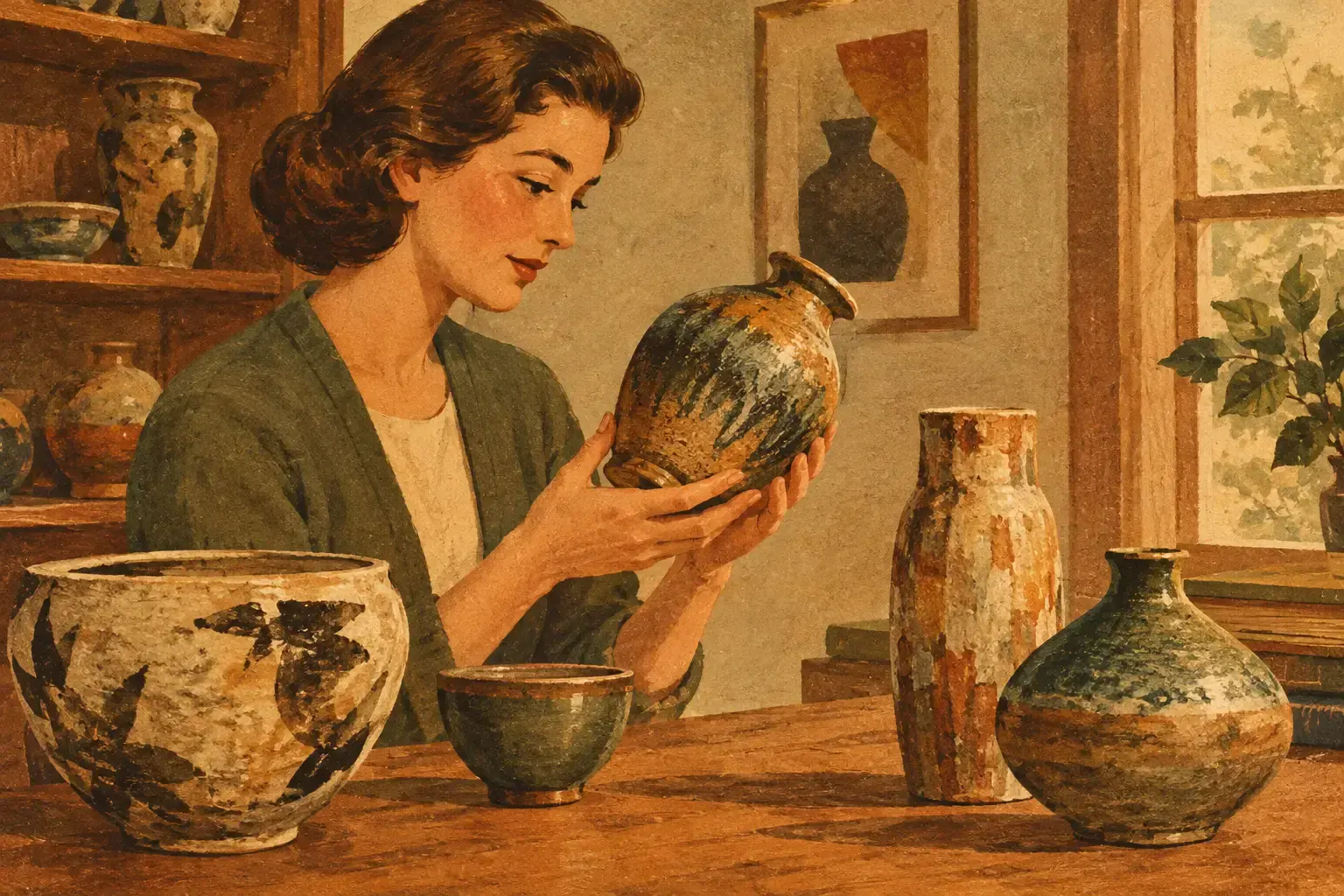
Then consider the character of the piece. Brass is rarely just brass: polished, lacquered, aged, hammered, and darkened finishes all read differently. Glass may be opaline and gentle, ribbed and graphic, smoked and moody, or clear and architectural. Ceramics bring color and tactility, particularly in the expressive glazes associated with mid-century European pottery. These distinctions make a room feel curated rather than themed.
A useful approach is to choose one lighting piece with real visual authority, then let surrounding objects support it. A large Fat Lava lamp base may call for a simple linen shade and quieter furniture lines. A delicate Art Deco wall light can sit against a more substantial vintage sideboard. When every object competes for attention, the room loses the calm that makes collected interiors so inviting.
Let condition inform the decision
Age should be visible, but it should be understood. Surface wear, gentle tarnish, small glaze variations, and an old repair can contribute to a piece’s story and do not automatically diminish its decorative value. Conversely, cracks in a structural area, unstable joins, badly damaged shades, or missing components may affect whether an item suits everyday use.
Ask whether the condition is honest and stable. Original finishes are often preferable to over-restoration, especially on collectible pieces, but there are times when careful restoration is the more sensible choice. A rewired lamp with its original character retained may be far more useful than an untouched example that cannot safely be switched on.
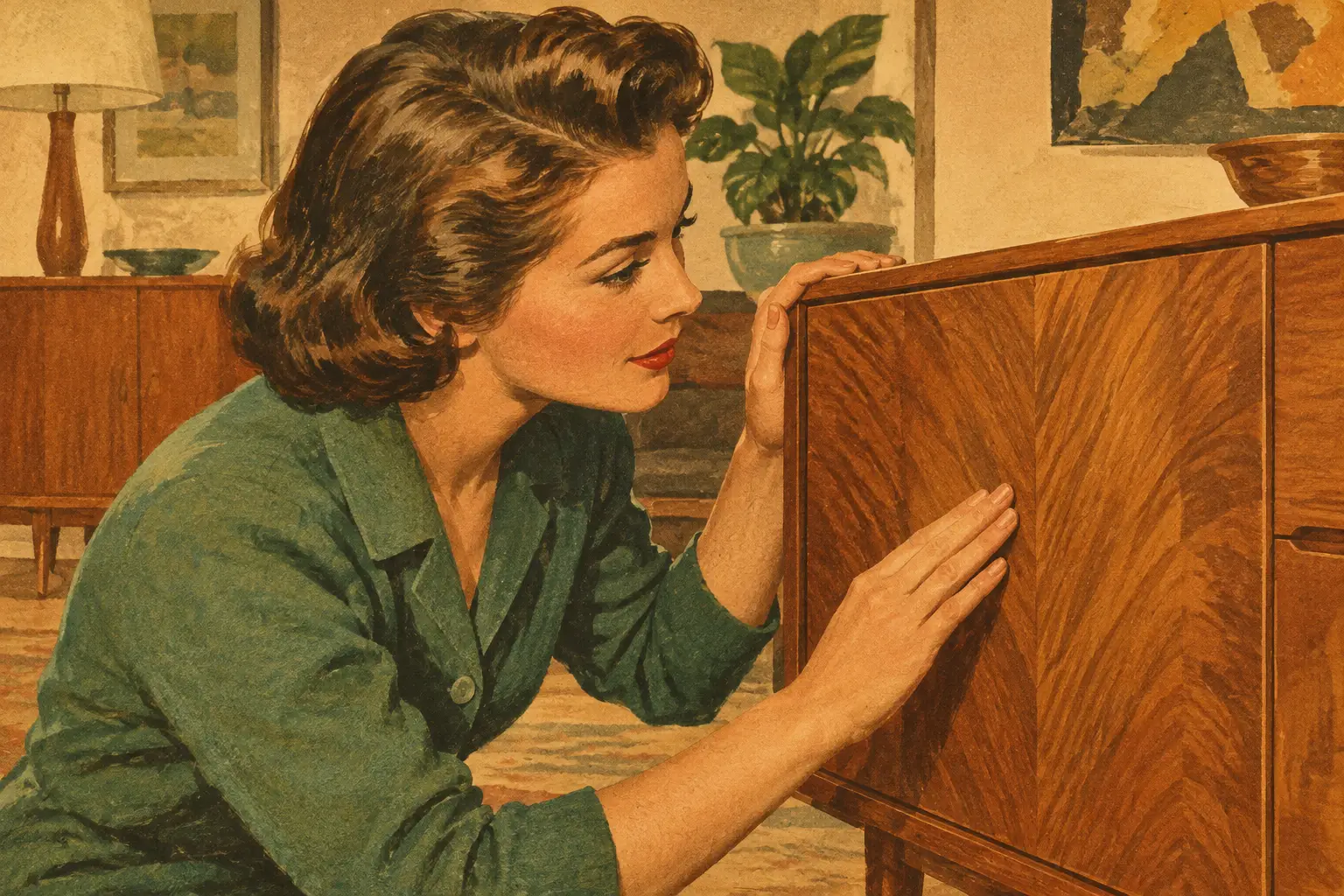
Provenance matters most when it clarifies what you are buying. A maker’s mark, a known design attribution, period details, or a documented origin can add collector interest. Yet an unmarked piece can still be exceptional if its construction, materials, and presence are right. Buy the object first, the label second, unless you are building a focused collection where attribution is central.
Building layers instead of relying on one ceiling light
Many rooms are lit too broadly from above. A single ceiling fixture creates a flat, functional wash of light that can make good furniture look less considered. Layered lighting is gentler and more adaptable, especially in living rooms, bedrooms, and dining areas.
Start with the central fixture if the room has one, but do not expect it to do every job. Add a table lamp at a lower level to make seating feel intimate, use a floor lamp to lift a dark corner, and consider picture lights or small sconces where art, shelving, or a fireplace needs definition. The result is not necessarily brighter. It is more dimensional.
Shade choice has an outsized effect. Linen and card shades soften light and suit wood, woven textures, painted furniture, and ceramic bases. Pleated shades can introduce a period note without becoming overly formal. A bare bulb or clear glass fitting gives a sharper, more industrial effect, though it needs careful placement to avoid glare. If the base is ornate, a restrained shade usually gives it room to breathe.
Bulb temperature deserves equal attention. For most living spaces, warm white light around 2700K creates the flattering glow people associate with older interiors. Cooler bulbs can make brass seem harsh, flatten wood grain, and turn a carefully chosen room clinical. Dimmable bulbs offer useful flexibility, but only when the fixture, switch, and bulb are compatible.
Mixing periods without making a room look accidental
A successful mix has a point of connection. It might be repeated curves, a family of warm neutrals, blackened metal details, or the same level of visual weight. A streamlined 1960s floor lamp can sit comfortably beside a Victorian chest if both have a dark patina and substantial form. A light, chrome-and-glass lamp may be better balanced by slimmer furniture and cleaner lines.
Avoid distributing small vintage objects evenly around the room just to prove that they belong there. Grouping creates confidence. Let a substantial lamp, a framed artwork, and a ceramic vessel form a composed moment on a sideboard. Give a special object enough empty space around it to be noticed. Rooms with character need pauses as much as they need detail.
Color can bridge eras with ease. A mustard glaze may echo the tones in an old oil painting; a green glass shade can relate to a botanical textile; a warm ivory shade can soften a room with darker wood and iron. These relationships feel more natural than buying every object from one decade.
Safety and care for older lamps
Vintage lighting should be treated as electrical equipment, not only as decor. Before regular use, have older wiring, plugs, switches, and lamp holders assessed by a qualified electrician. Rewiring is often straightforward and allows a treasured lamp to be enjoyed with greater confidence. For hardwired pendants and sconces, professional installation is particularly worthwhile.
Care should be light-handed. Dust shades with a soft brush or clean microfiber cloth, and avoid soaking old fabric, paper, or parchment shades. Use a dry cloth for most metal finishes before reaching for polish, since aggressive cleaning can remove desirable patina. Ceramic and glass bases should be supported from the body rather than lifted by a neck, fitting, or cord.
When buying online, detailed measurements and condition notes are part of the pleasure of shopping well. At MN Interior Antiques, the value of a curated piece lies not only in its appearance but in understanding its materials, era, restoration, and individual marks of age. Those details help a lamp arrive with a place in mind rather than becoming another uncertain purchase.
The best vintage interiors are not finished in a weekend. Leave room for the one lamp that changes the mood of the room, the unusual shade that softens a hard edge, or the ceramic piece whose colors make everything around it make sense. A home gains character when its light, like its objects, has a story to tell.