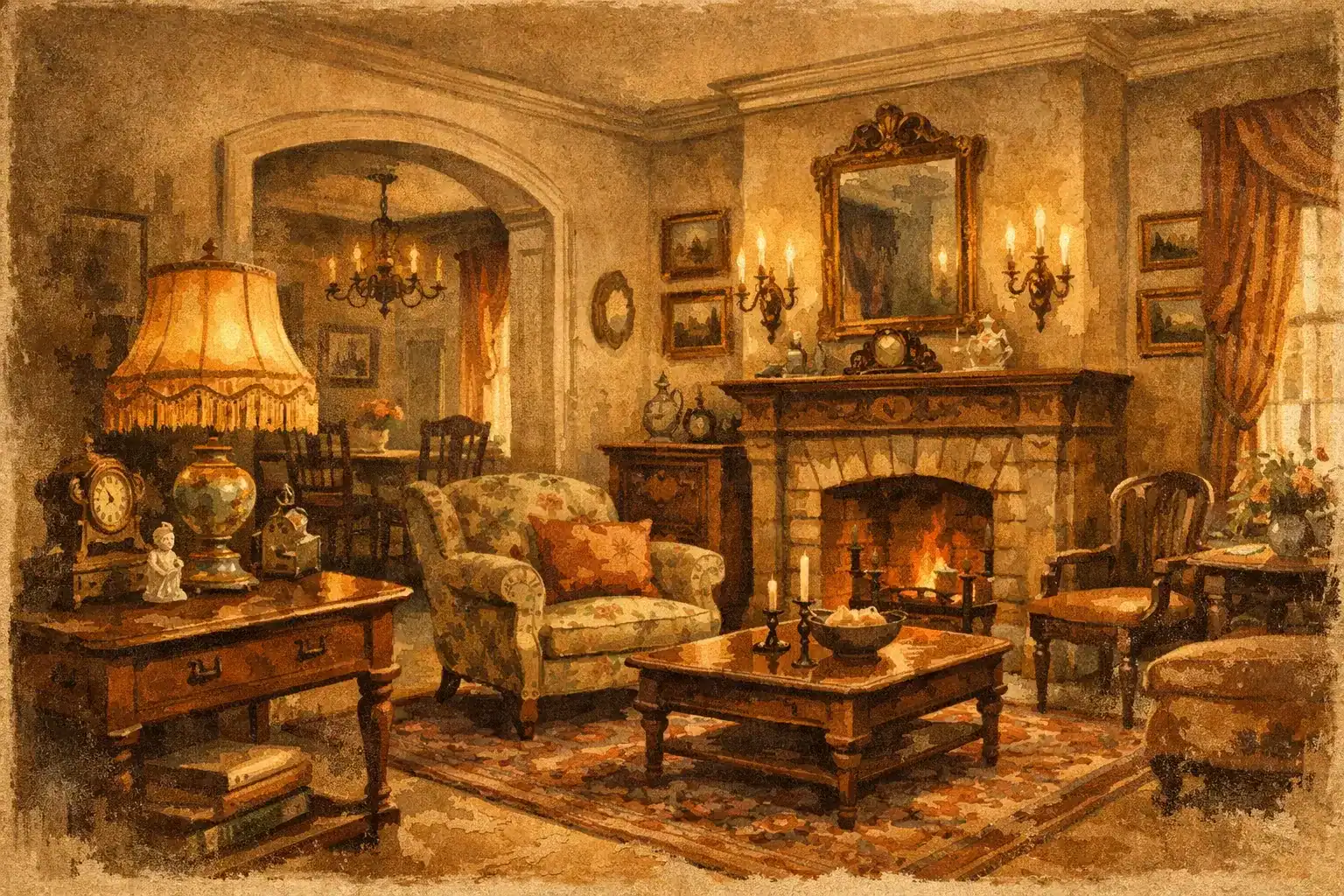
A Victorian fireplace, a Georgian sash window or an Edwardian picture rail already gives a room a point of view. The best period home interiors do not try to outshine those details. They let the building lead, then introduce furniture, lighting and objects with enough age, craft and texture to make the whole room feel settled rather than staged.
This is not an argument for turning every room into a museum. A historic house still has to accommodate daily life, changing tastes and the practical demands of a modern household. The aim is to preserve what makes the property distinctive while building an interior that feels genuinely yours.
Start with the house, not the shopping list
Before choosing a sofa or filling a wall, spend time understanding the fabric of the room. Look at the proportions, natural light, original joinery, flooring, fireplaces and any surviving architectural details. A high-ceilinged Victorian reception room can carry a substantial walnut sideboard or an imposing gilded mirror; the same piece may overwhelm a compact terrace sitting room.
Period labels are useful, but they are not instructions. Many homes have been altered over decades, and a restrained early twentieth-century interior can sit comfortably in a Victorian house if the scale and materials are right. What tends to jar is not mixing eras, but ignoring proportion and using finishes that feel too new, too uniform or too slight for the setting.
Where original features remain, retain their irregularities. Old floorboards, worn brass fittings and imperfect plaster carry visual warmth that cannot be manufactured convincingly. Restoration should protect the detail, not erase every sign of age. If a feature has been lost, avoid speculative imitation unless there is clear evidence of what was there. A well-chosen antique can give a room depth without pretending it is original to the building.
Build period home interiors in layers
Rooms with character are usually assembled over time, even when they are planned carefully. Begin with the largest elements – the floor, walls, window treatments and principal furniture – then add the smaller pieces that make the scheme personal. This layered approach prevents the common mistake of buying a roomful of matching furniture in one go.
A useful starting point is one anchor piece with real presence: a mahogany chest of drawers, a carved oak dining table, a painted Victorian cupboard or a mid-century teak sideboard. Its timber, patina and scale can guide later decisions. Pair it with newer upholstery if comfort is a priority, or soften it with linen, wool and a handmade rug rather than adding further heavy furniture.
Contrast is often what keeps a period room alive. A clean-lined modern sofa beside an antique occasional table can make both pieces more interesting. Mid-century furniture is particularly effective in houses with older bones because it brings clarity of line without feeling disposable. For those looking for mid-century furniture in Hitchin and the surrounding area, it is worth seeking pieces with sound construction and good proportions rather than chasing a particular designer name alone.
Let materials do some of the work
Natural materials tend to age gracefully alongside original architecture. Timber, brass, iron, wool, linen, leather, ceramic and stone introduce variation in tone and touch. They also prevent a scheme from becoming overly dependent on a single historical style.
Patina is not simply damage. It may be the mellow surface of waxed oak, the gentle wear to a leather chair, crazing in old pottery or a slight variation in the glaze of a hand-thrown vase. Condition still matters, especially for seating, wiring and working mechanisms, but appropriate wear is often part of an object’s appeal and evidence of its long life.
Choose colour with restraint and confidence
Period houses can carry rich colour beautifully, particularly in rooms with good daylight and architectural depth. Deep greens, tobacco browns, chalky blues, warm stone and aged reds all work well when their undertones relate to the fixed materials in the room. A cool grey against honey-coloured pine or red brick can feel disconnected, while a softened neutral with a little warmth will usually sit more naturally.
That said, dark paint is not a requirement for a historic interior. Pale walls can make plasterwork, mouldings and antique frames more visible, and they allow darker furniture to provide the necessary weight. Test colours at different times of day before committing. The light in a north-facing room in Hertfordshire is very different from the light in a bright south-facing rear extension, even within the same house.
Avoid treating every surface as a feature. If the fireplace, joinery and patterned textiles are already doing plenty, a quieter wall colour will give the eye somewhere to rest. Conversely, a plain room may benefit from patterned wallpaper, provided the scale suits the architecture and the rest of the scheme stays measured.
Make lighting feel collected, not clinical
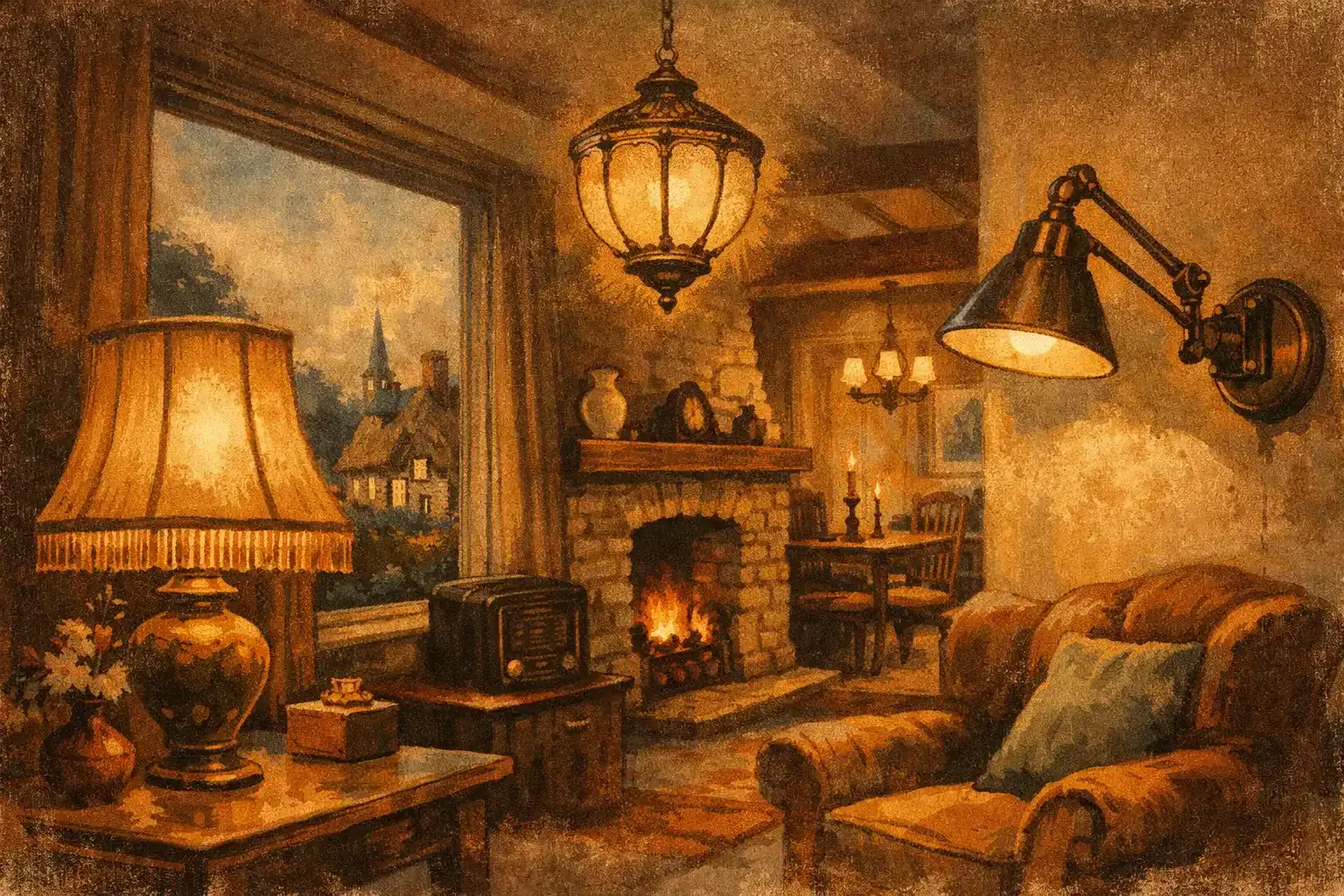
Lighting is one of the quickest ways to undermine an otherwise convincing room. A single central ceiling fitting creates flat illumination and rarely does justice to old plaster, art or timber. Instead, use pools of light at different heights: a pendant for general illumination, table lamps for reading and atmosphere, and wall lights where they suit the layout.
Vintage lighting brings both sculptural interest and a softer visual language. A pair of brass wall lights, an opaline glass pendant or a carefully restored 1960s lamp can introduce age without requiring a full period scheme. Buyers searching for vintage lighting in Welwyn Garden City or nearby often find that one distinctive lamp changes the mood of a room more effectively than several generic fittings.
Safety is not optional. Older lamps and fittings should be checked, rewired where necessary and fitted with suitable bulbs. Warm-toned light generally complements timber, gilt frames and textured fabrics far better than harsh, blue-white bulbs. Consider dimmers in principal rooms, but ensure they are compatible with the bulbs and fittings chosen.
Use decorative objects to tell a quieter story
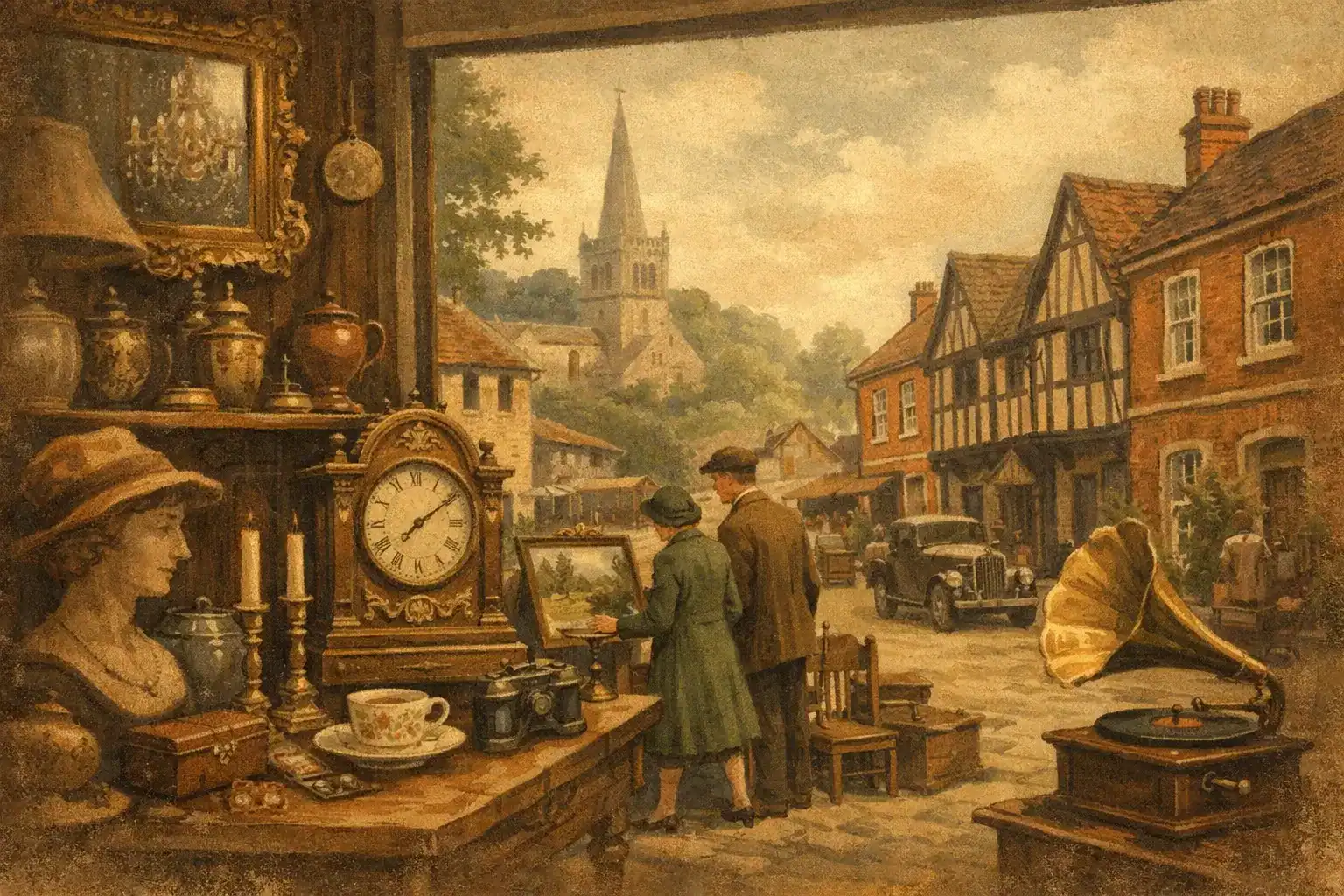
The smaller objects in a room should not be an afterthought. Ceramics, framed works, books, folk art, brassware and small sculptural pieces are where an interior becomes individual. They are also where a little editing makes a substantial difference.
Group objects by a shared quality rather than a rigid theme. It might be earthy glazes, botanical forms, warm metal, hand-painted surfaces or a similar period. A West German Fat Lava vase can look striking beside a nineteenth-century oak cabinet because both have strong material presence, even though they come from very different moments in design history.
Leave space around the pieces you value. A mantel crowded edge to edge with ornaments can hide the charm of each object, while a considered arrangement of three or five items reads as collected and intentional. Rotate smaller items seasonally if you enjoy collecting. This allows favourite pieces to be seen properly and keeps the room responsive rather than fixed.
Respect function as much as provenance
An antique is more likely to remain loved when it serves a purpose. A small chest can become a bedside table, a glazed cabinet can display ceramics while keeping dust at bay, and an old worktable may be ideal in a hallway for post and keys. This practical use is part of the continuing story of an object, not a compromise.
Be honest about where convenience should take priority. An original dining chair may be beautiful but unsuitable for long family meals without upholstery or careful restoration. A valuable textile may be better displayed away from direct sunlight. In kitchens and bathrooms, reclaimed elements can provide character, but surfaces need to meet the demands of moisture, heat and cleaning.
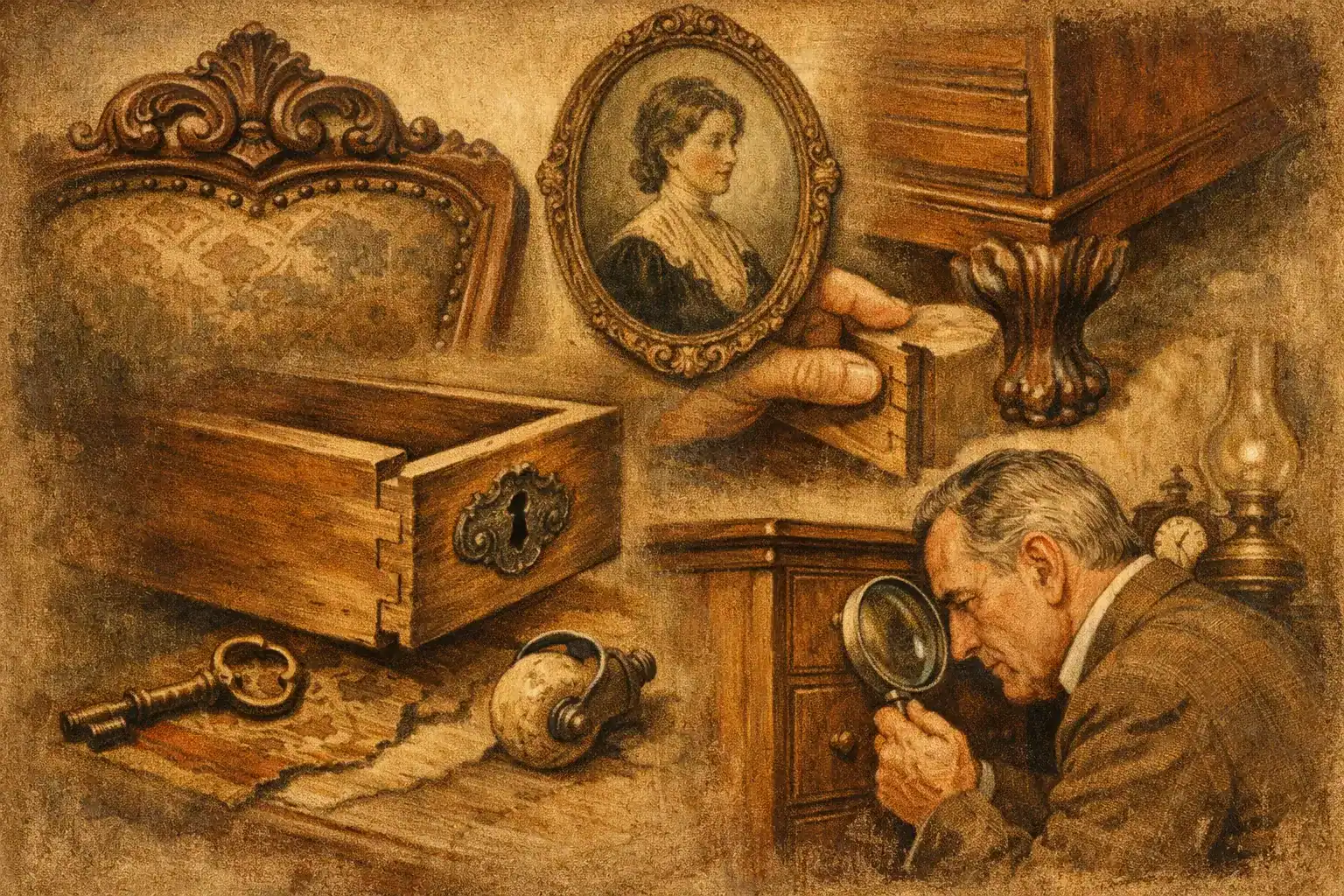
When buying antique furniture in Stevenage or further afield, ask about condition, repairs, dimensions and any known provenance. Good curation is not only about finding an attractive piece. It is about understanding whether the drawer runs, whether a tabletop is stable, whether a lamp has been safely restored, and how an item will live in a real home.
A period house does not need to be frozen at a particular date to feel authentic. Give its original features room to speak, choose objects made with care, and allow the useful, beautiful pieces to gather their own marks over time. That is how an interior acquires the quiet confidence of a home that has always had a story to tell.