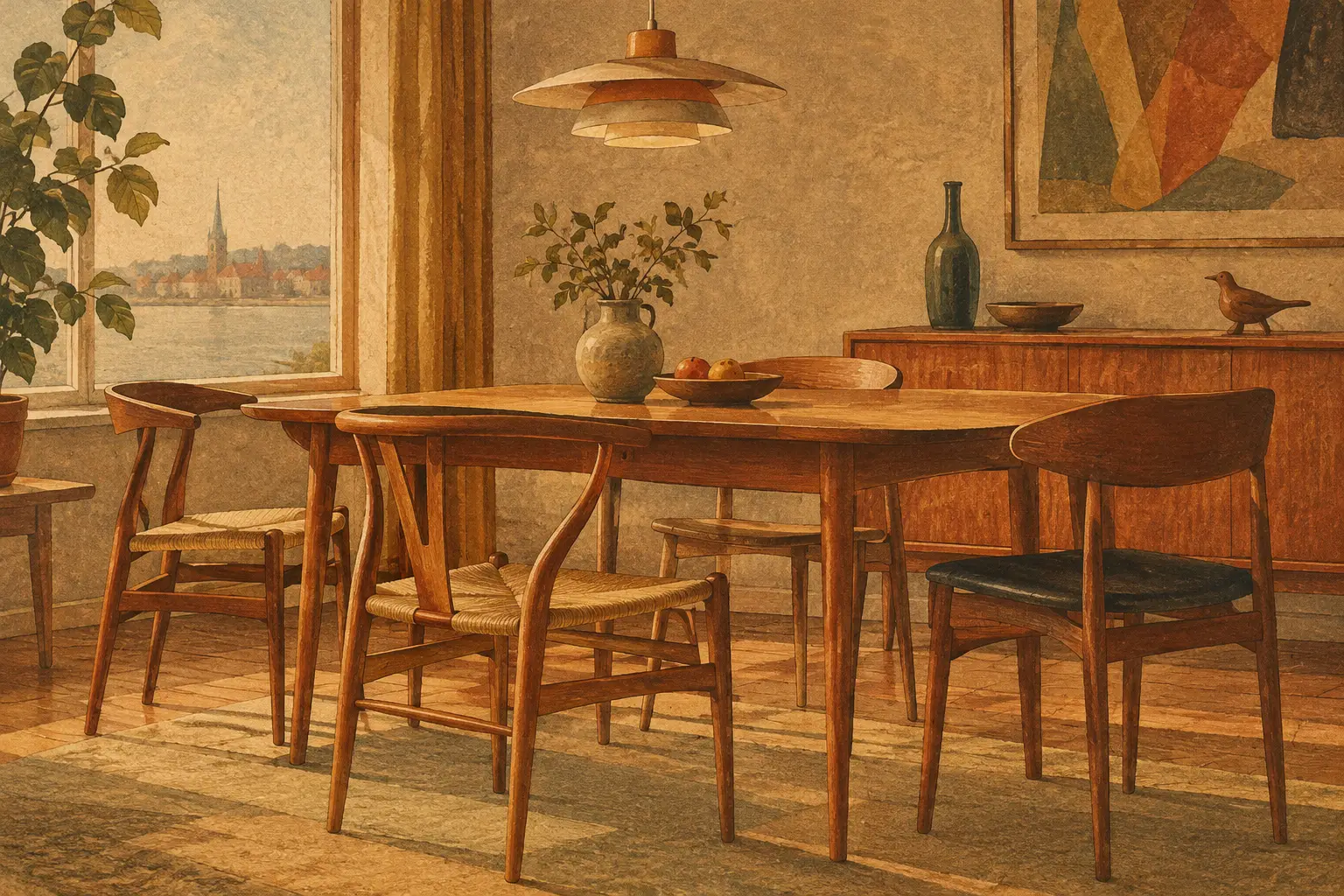
A sun-faded teak sideboard can still stop a room in its tracks. That is the appeal of mid-century modern furniture – even when the finish is tired, the lines, proportions, and craftsmanship often remain remarkably strong. If you are wondering how to restore mid century modern furniture, the real aim is not to make it look brand new. It is to bring back its clarity, warmth, and usefulness without stripping away the character that made it worth keeping.
That distinction matters. Mid-century pieces were built in a range of materials and quality levels, from beautifully veneered walnut and teak to more modest factory-made case goods with thin finishes and fragile edges. A careful restoration respects what is there. An aggressive one can flatten the grain, blur the profile, and turn a good vintage piece into something strangely lifeless.
Before You Restore Mid Century Modern Furniture
The first job is identification. Mid-century modern is a broad category, and the right approach depends on what the piece is actually made from. Solid wood behaves differently from veneer. Teak, walnut, rosewood, oak, and beech all react differently to cleaning and refinishing. Dining chairs, cabinets, coffee tables, and dressers also wear differently, which affects how much intervention they need.
Start by checking for maker’s labels, stamps, or construction clues. Dovetail joints, solid wood drawer sides, and finished backs often suggest a better-made piece. Veneer seams, plywood cores, or machine-made interiors are not necessarily a problem, but they do mean you need to be gentler. Mid-century furniture often relies on thin veneers over stable substrates, and once veneer is sanded through, there is no easy way back.
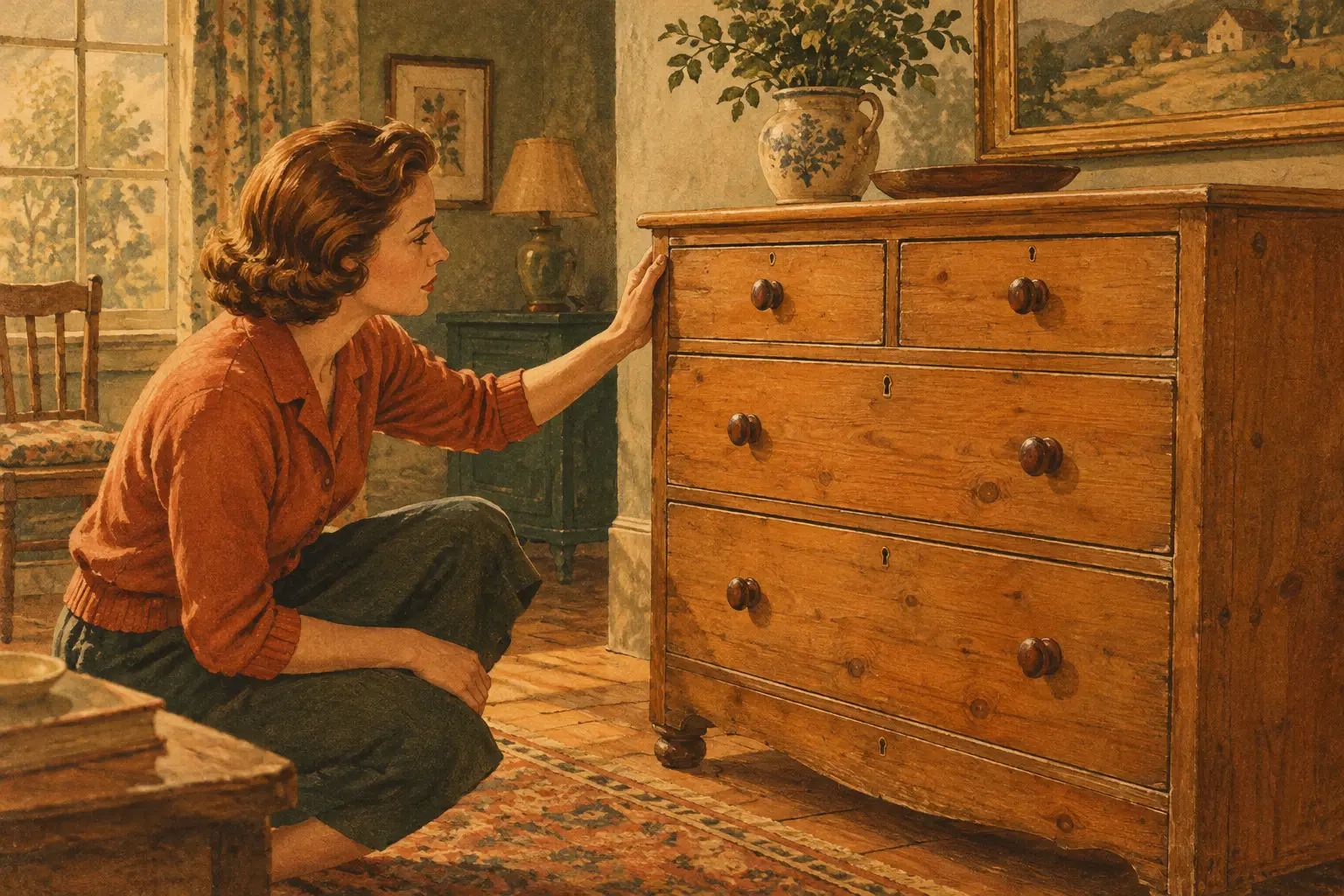
Condition comes next. Look at the finish in natural light. Is it dry and dull, or actually worn through? Are there white water rings, heat marks, deep scratches, lifting veneer, loose joints, or missing hardware? Many pieces look worse than they are. A proper clean and a wax or oil refresh can transform a cabinet that seemed ready for total refinishing.
Clean First, Refinish Later
One of the most common mistakes in learning how to restore mid century modern furniture is reaching for sandpaper too early. Years of polish, dust, kitchen grease, and smoke residue can disguise the original surface. What looks like irreparable damage is sometimes just grime.
Begin with the mildest method. A soft cloth, warm water, and a small amount of gentle soap are often enough for routine dirt. Use as little water as possible and dry immediately. For more stubborn buildup, mineral spirits on a cloth can safely cut through old wax and greasy residue on many finished surfaces. Work slowly and test an inconspicuous area first.
Once the piece is clean, reassess it. Grain may reappear, color may deepen, and minor scratches can seem far less dramatic. If the finish is largely intact, a full strip-down may be unnecessary. That is often the best outcome. Original finishes, even with light wear, usually give a piece more authenticity than a heavy modern refinish.
Decide What the Piece Actually Needs
Restoration is rarely one-size-fits-all. Some pieces need little more than cleaning and conditioning. Others need structural repair and selective refinishing. The smart question is not, “How do I make this perfect?” but, “What level of work respects the piece?”
If the surface is dry but stable, restorative oils or waxes may be enough. If there are scattered scratches and dull patches, a light reamalgamation or polish revival may help, depending on the original finish. If the top is badly stained, water-damaged, or flaking, refinishing may be justified – especially on high-use surfaces like dining tables.
There is a trade-off here. A completely refinished piece can look cleaner and more uniform, but it can also lose some age, softness, and collector appeal. For rarer designer items or pieces with notable provenance, restraint is usually the wiser choice.
How to Restore Mid Century Modern Furniture Without Damaging Veneer
Veneer is where many restorations go wrong. Mid-century makers used veneer beautifully, especially on teak and walnut cabinets, but it is often thin. Over-sanding can expose the substrate in seconds, particularly on corners, drawer fronts, and edges.
If the veneer is lifting, do not force it flat dry. Lift it gently if needed, remove old adhesive residue where possible, then reglue with appropriate wood adhesive and clamp it evenly with padded blocks. Patience matters more than pressure. Rushing this stage can crack brittle veneer or create visible ridges.
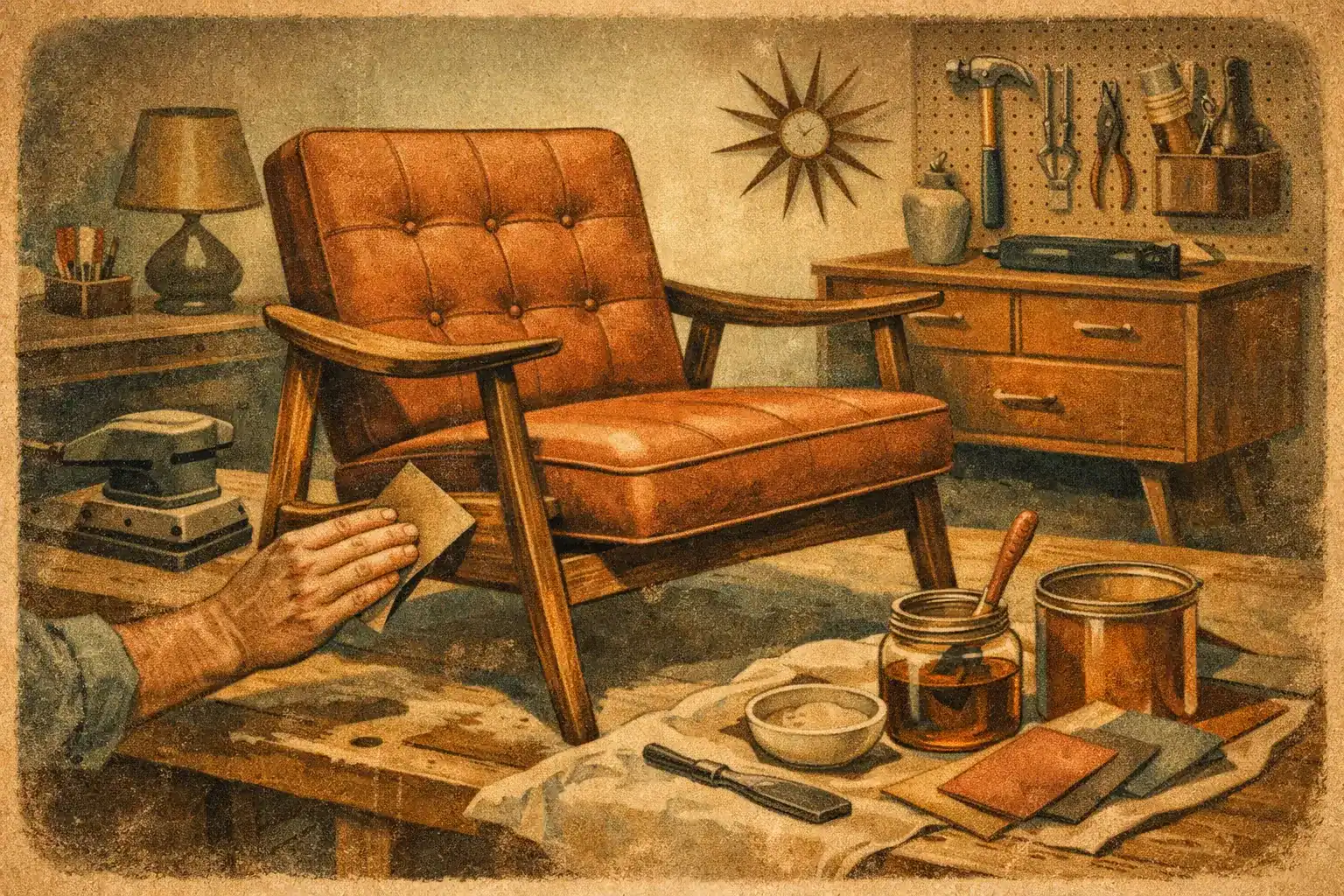
For surface prep, use the least abrasive method you can. Fine abrasive pads or very light hand sanding may be enough before refinishing. Avoid power sanders unless you are highly confident and working on broad, flat areas with sufficient veneer thickness. Even then, caution wins.
Small chips can sometimes be filled and toned, but large missing sections are a different matter. Veneer patching can be done well, though matching grain, species, and age takes a practiced eye. On a valuable piece, that is often the point to consult a professional rather than improvise.
Repairing Structure, Hardware, and Details
Mid-century furniture often looks visually light, but it still relies on sound joinery. Wobbly chairs, loose drawer runners, unstable legs, and sagging cabinet doors should be fixed before cosmetic work begins. Glue failure is common with age, especially where furniture has been stored in fluctuating temperatures.
Disassemble only what needs to come apart. Old joints can often be reglued successfully, but unnecessary dismantling can do more harm than good. Clean out failed glue where possible, reglue carefully, and clamp square. On chairs in particular, alignment matters. A beautifully refinished chair that still rocks on the floor is not truly restored.
Hardware deserves similar care. Original handles, pulls, hinges, and brass fittings contribute enormously to the character of a piece. Clean them rather than replacing them when you can. Tarnish and patina are not defects by default. They are part of the object’s age. If hardware is missing, try to match the period and profile rather than choosing something generic and new.
Choosing the Right Finish
This is where restoration becomes more than repair. The finish determines whether the piece still feels mid-century or simply old wood made shiny. Teak and walnut, in particular, benefit from a finish that enhances grain without creating a thick plastic-looking coat.
Many mid-century pieces were originally finished in lacquer or oil-based systems that gave a low-sheen, elegant surface. A hard gloss polyurethane usually looks wrong on these forms. It can obscure texture and make a refined cabinet feel bulky. Satin or matte finishes are generally more sympathetic.
For lightly worn teak, a good teak oil or finishing oil can revive tone, though oil is not a cure-all and should not be used to mask poor prep. For more damaged surfaces, stripping and refinishing may be the better route. Walnut often responds beautifully to careful refinishing, but color matching matters. Going too dark can erase the lively grain contrast that gives the wood its depth.
Always test first. A finish that looks rich on one section can turn orange, muddy, or flat on another. Mid-century furniture depends on subtlety. The best finish usually looks considered rather than obvious.
What to Leave Alone
Not every mark deserves removal. Fine scratches, softened edges, slight fading, and a little patina can be part of what makes vintage furniture feel convincing in a room. If every trace of age is erased, the piece may lose the visual depth that drew you to it in the first place.
This is especially true for collectible pieces. Buyers who value design history often prefer honest wear over over-restoration. A restored sideboard should still feel like a mid-century sideboard, not a recent reproduction with older proportions.
At MN Interior Antiques, that balance between preservation and presentation is part of what makes a piece compelling. Good restoration should support the story of the object, not overwrite it.
When Professional Restoration Is Worth It
There are times when skill at home is not enough. If a piece has severe veneer loss, major structural instability, deep burns, extensive water damage, or significant value, professional restoration is usually the better investment. The same applies to rare designer pieces where originality and market value are closely linked.
A professional can also help when a piece needs restraint rather than dramatic change. That may sound counterintuitive, but subtle restoration is often harder than total refinishing. It takes experience to know how far to go and where to stop.
The best mid-century interiors are rarely built from flawless objects. They are built from pieces with form, material presence, and a sense of having lived a life before arriving in your home. Restore with that in mind, and you will end up with furniture that feels both useful and beautifully intact.