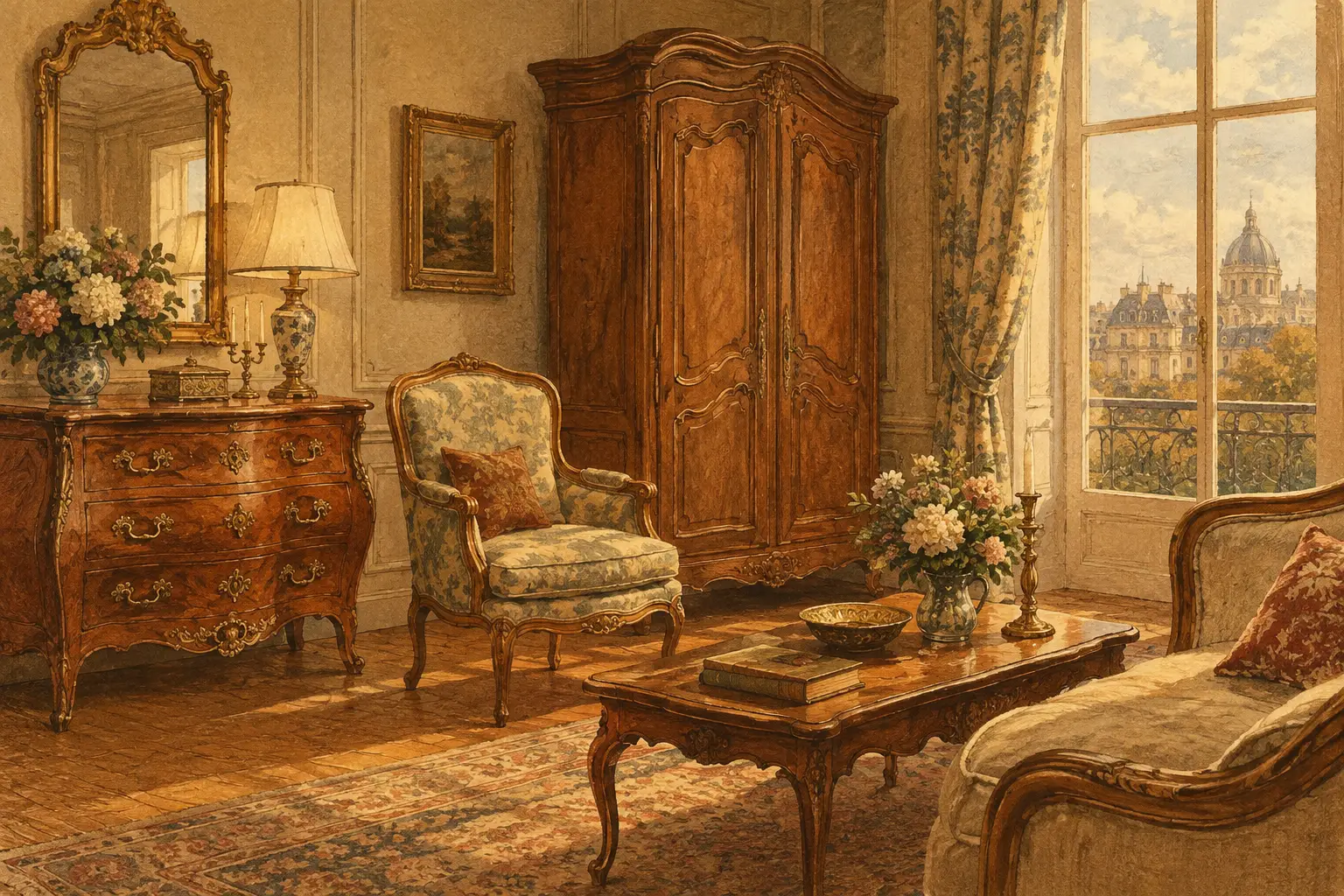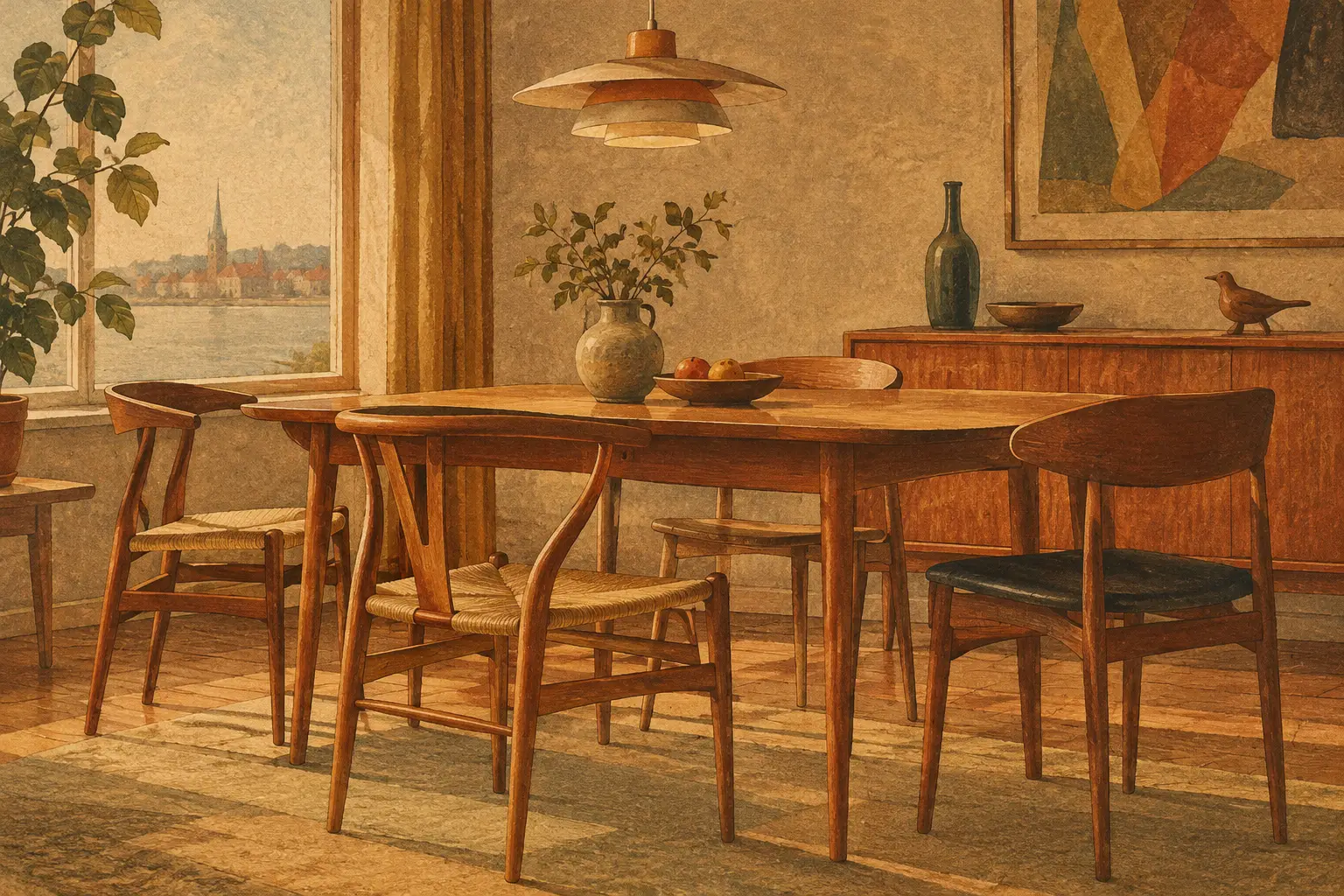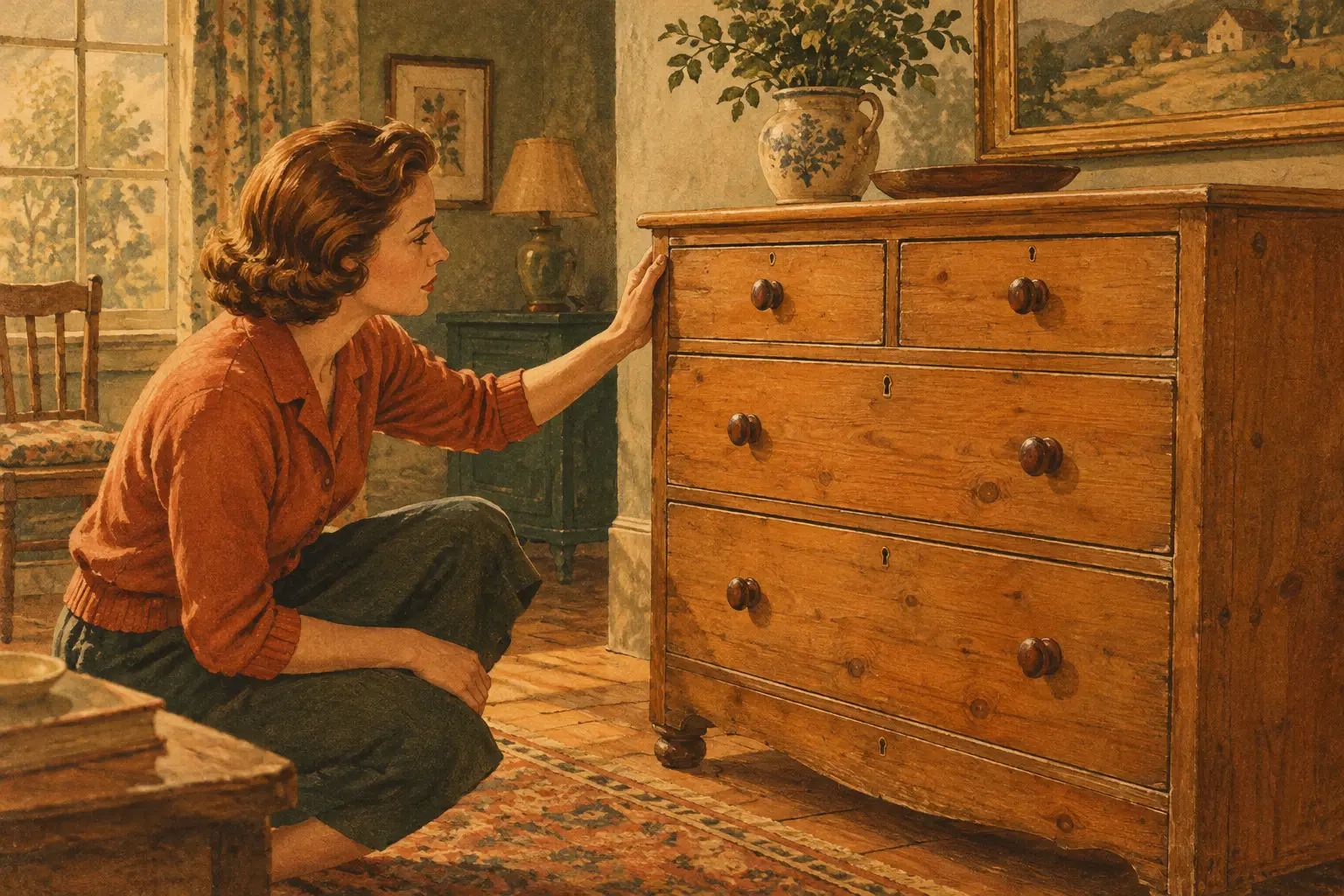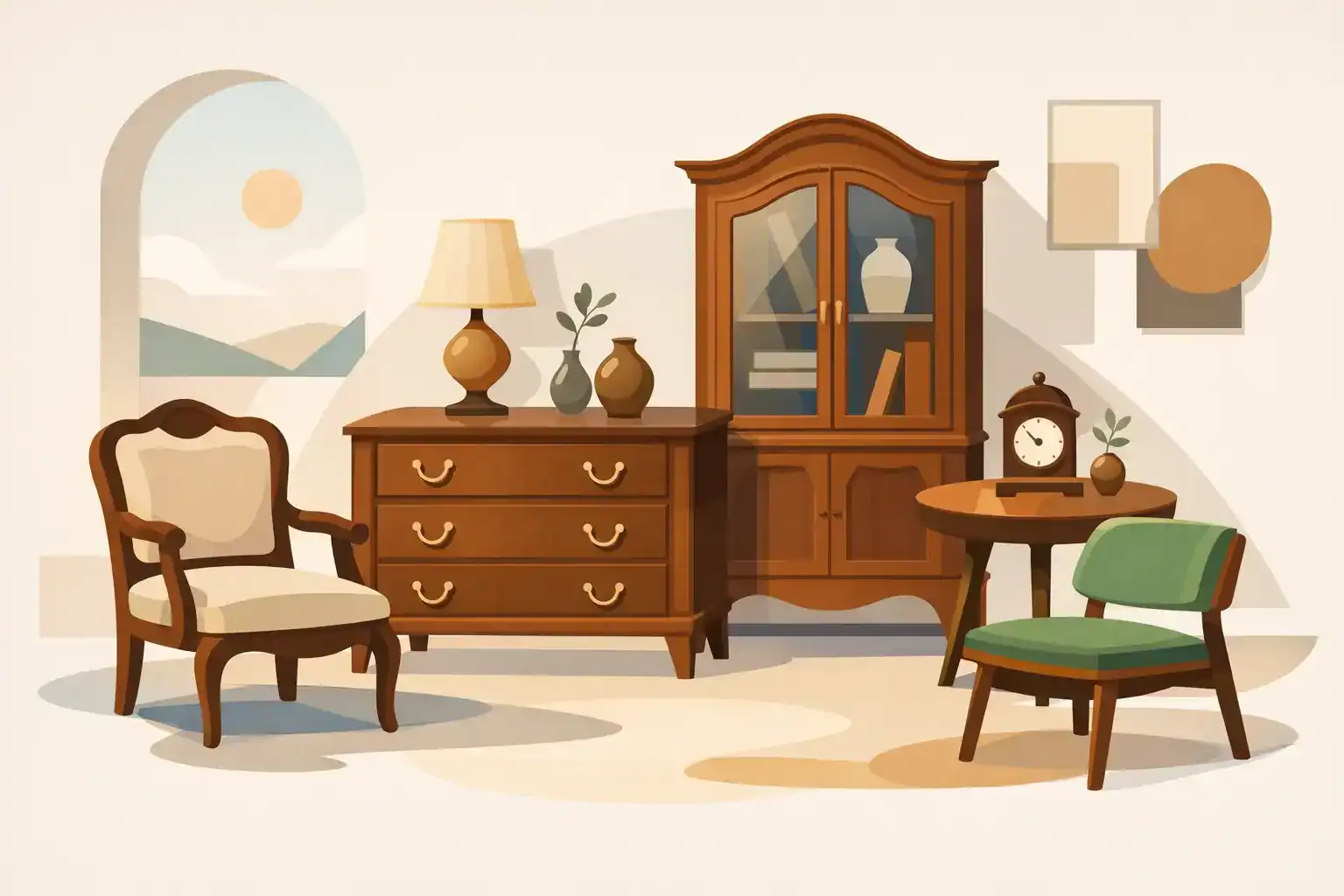
A room rarely falls flat because it lacks more furniture. More often, it lacks a point of view. That is where curated antique furniture earns its place. Instead of filling a home with pieces that simply match, it introduces shape, age, craftsmanship, and a sense that someone has chosen with intention rather than convenience.
For buyers who want interiors with depth, curation matters as much as the object itself. An antique chest, side table, or cabinet is not automatically interesting because it is old. What makes it compelling is proportion, material, condition, decorative character, and the story it carries into a space. The difference between a crowded antiques market and a well-edited collection is the difference between browsing and finding something you can actually live with.
What curated antique furniture really means
Curated antique furniture is not about volume. It is about selection. A curated approach filters for quality, authenticity, visual impact, and usefulness, so each piece earns its place.
That matters because antique furniture covers a wide range of periods, styles, and standards. Some pieces are beautifully made but too heavy for modern living. Others have surface charm yet lack integrity after poor repairs or over-restoration. Curation helps buyers avoid both extremes. It brings together furniture that still holds decorative relevance now, whether that means a Georgian side table in a pared-back room, a painted folk piece in a layered hallway, or an early 20th-century cabinet that adds texture to a cleaner interior.
A strong selection also reflects an editorial eye. It considers how pieces sit together across categories and eras. A home rarely needs every item to come from one period to feel coherent. In fact, the most memorable rooms often balance contrast – antique wood against contemporary upholstery, decorative patina against crisp plaster walls, or a formal silhouette beside mid-century lighting.
Why curated antique furniture works in modern homes
One of the most common misconceptions is that antique furniture belongs only in traditional interiors. In practice, it often looks strongest in rooms that leave it space to speak. A single antique console in a minimal entryway can do more than a set of newly made furniture because it brings age, irregularity, and material richness.
Craftsmanship is a large part of the appeal. Older furniture was often made with solid timber, careful joinery, and details that reward close attention. You notice the wear on a drawer pull, the mellow finish on oak or walnut, the hand-carved edge, or the slight asymmetry that signals a human maker rather than factory repetition. These qualities do not feel sterile. They make a room warmer.
There is also the matter of individuality. A mass-market interior can be polished, but it often lacks surprise. Curated antique furniture gives a home distinction because each piece carries its own history of use and survival. That does not mean every item needs grand provenance. Sometimes the appeal lies simply in honest age, good lines, and a finish that could not be convincingly replicated.
The role of provenance, condition, and restoration
Buyers are right to care about beauty, but confidence usually comes from the details behind it. Provenance, condition, and restoration all shape value, both decorative and practical.
Provenance can be formal or informal. In some cases, a piece may have a known maker, period, or regional origin that adds clarity and collectibility. In others, provenance is more about credible attribution and a well-informed reading of style, materials, and construction. Not every buyer needs museum-level documentation, but most want reassurance that a piece is what it is described to be.
Condition is more nuanced than many first-time buyers expect. Antique furniture should show age. Minor wear, surface marks, and signs of use are often part of its charm. The real question is whether that wear is attractive, stable, and appropriate to the piece. A table with light historic marks may be more desirable than one stripped of character. On the other hand, structural issues, active woodworm, or crude repairs are not romantic flaws. They need clear disclosure.
Restoration is where expertise matters. Good restoration protects usability without erasing history. It might involve strengthening joints, reviving a finish, replacing damaged elements sympathetically, or ensuring a chest of drawers runs as it should. Poor restoration can flatten a piece, making it look too new or stripping away the very patina that gave it life. For buyers, the ideal is often a piece that has been cared for, not remade.
How to choose the right curated antique furniture
The best starting point is not style jargon. It is the room itself. Consider what the space is missing. Is it warmth, height, storage, texture, or a focal point? Once you know the function, the decorative decision becomes easier.
Scale should come first. Antique furniture can be deceptively generous in proportion, especially in dining tables, wardrobes, and case pieces. Measure carefully and think beyond whether it fits through the door. Ask how it will sit beside skirting boards, radiators, modern seating, and circulation space.
Then consider material and finish. Dark wood can add gravity, but too much in one room may feel heavy. Painted finishes can soften that effect and work well in cottages, country houses, and more relaxed interiors. Mahogany brings formality, oak offers solidity, walnut often carries warmth and movement in the grain. Each creates a different mood.
Use should guide your tolerance for wear. A decorative occasional table can carry more age than a desk you plan to use daily. A sideboard with historic marks may be perfect in a dining room, while bedside tables might need smoother function and a little less fragility. There is no single right threshold. It depends on whether you are collecting, decorating, or asking a piece to work hard every day.
Decorating with curated antique furniture
A well-chosen antique piece rarely needs an entire period scheme around it. In fact, forcing a room to become “antique” can make it feel staged. It is often better to let one or two stronger pieces set the tone.
An antique chest in a bedroom can anchor the room while newer linens and lighting keep it fresh. A farmhouse table can steady a kitchen that otherwise leans modern. A glazed cabinet can introduce vertical interest in a living room and give ceramics, books, or collected objects a proper setting. These combinations feel natural because they respect the furniture without turning it into a theme.
Layering matters. Antique furniture tends to look best when paired with materials that allow contrast – linen, plaster, iron, glass, wool, and ceramic all work well. Lighting also changes how a piece reads. Good lamp light will emphasize texture and finish in a way overhead spots never quite manage.
For more eclectic interiors, mixing periods can be especially effective. A mid-century chair near an 18th-century table, or vintage lighting above an older refectory table, often creates more tension and personality than a room assembled too neatly from one source. The guiding principle is balance rather than strict matching.
Why curation builds trust for buyers
When shopping online, trust becomes part of the product. Buyers cannot run a hand along the finish or open every drawer themselves, so presentation and knowledge matter. Curated selection helps because it signals that someone has already made serious judgments about quality, style, and condition before the piece reaches the site.
That trust is built through specifics. Clear descriptions of era, materials, dimensions, wear, and restoration give buyers a realistic sense of what they are considering. Good photography does the same. It shows profile, detail, surface, and scale rather than hiding behind vague styling.
For a retailer such as MN Interior Antiques, curation is more than a merchandising choice. It is a way of helping customers buy with confidence, especially when they are choosing one-of-a-kind furniture intended to shape a room for years. A carefully sourced stock of antique and vintage interiors does not overwhelm. It gives buyers enough range to find something personal, while preserving the quality threshold that makes the search worthwhile.
Curated antique furniture as a long-term choice
There is practical value in buying old, well-made furniture. Pieces that have already lasted decades, and often much longer, have proved something about their construction. They can still require care, of course. Antique furniture is not maintenance-free, and it may not suit every household in the same way. A delicate occasional table in a busy family kitchen may be the wrong fit. A sturdy pine dresser might be exactly right.
But beyond utility, there is a deeper kind of longevity at work. Curated antique furniture tends to age with a home rather than date it. Trends move quickly. Good proportion, honest materials, and visible craftsmanship do not. That is why an antique piece can shift from one room to another, from one house to the next, and still feel relevant.
The most satisfying interiors are rarely the ones finished fastest. They are built gradually, piece by piece, with enough discrimination that every addition changes the room for the better. If you are choosing furniture with that mindset, age alone is not the goal. Character is. And when it has been properly selected, restored where needed, and presented with care, antique furniture offers exactly that – a stronger, richer way to live with the things you bring home.
If a piece stops you for a moment and makes the rest of the room look more considered, that is usually a sign worth trusting.