A walnut sideboard with clean lines can look effortless in a photograph. Living with it is another matter. When people search for the best mid century modern furniture online, they are usually trying to solve two problems at once: how to find pieces with real design integrity, and how to avoid paying good money for something flat, flimsy, or vaguely “inspired by” the period rather than genuinely made within it.
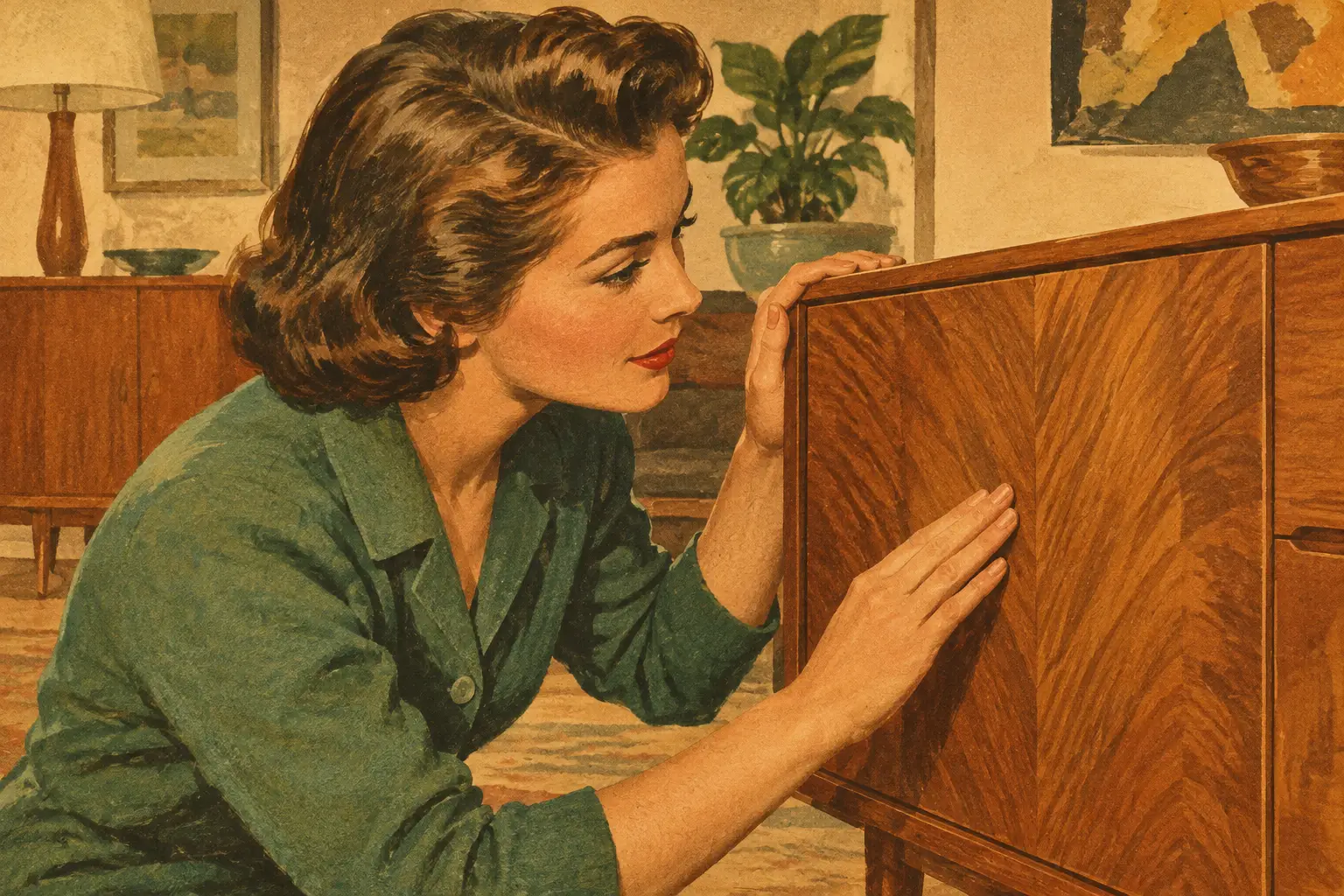
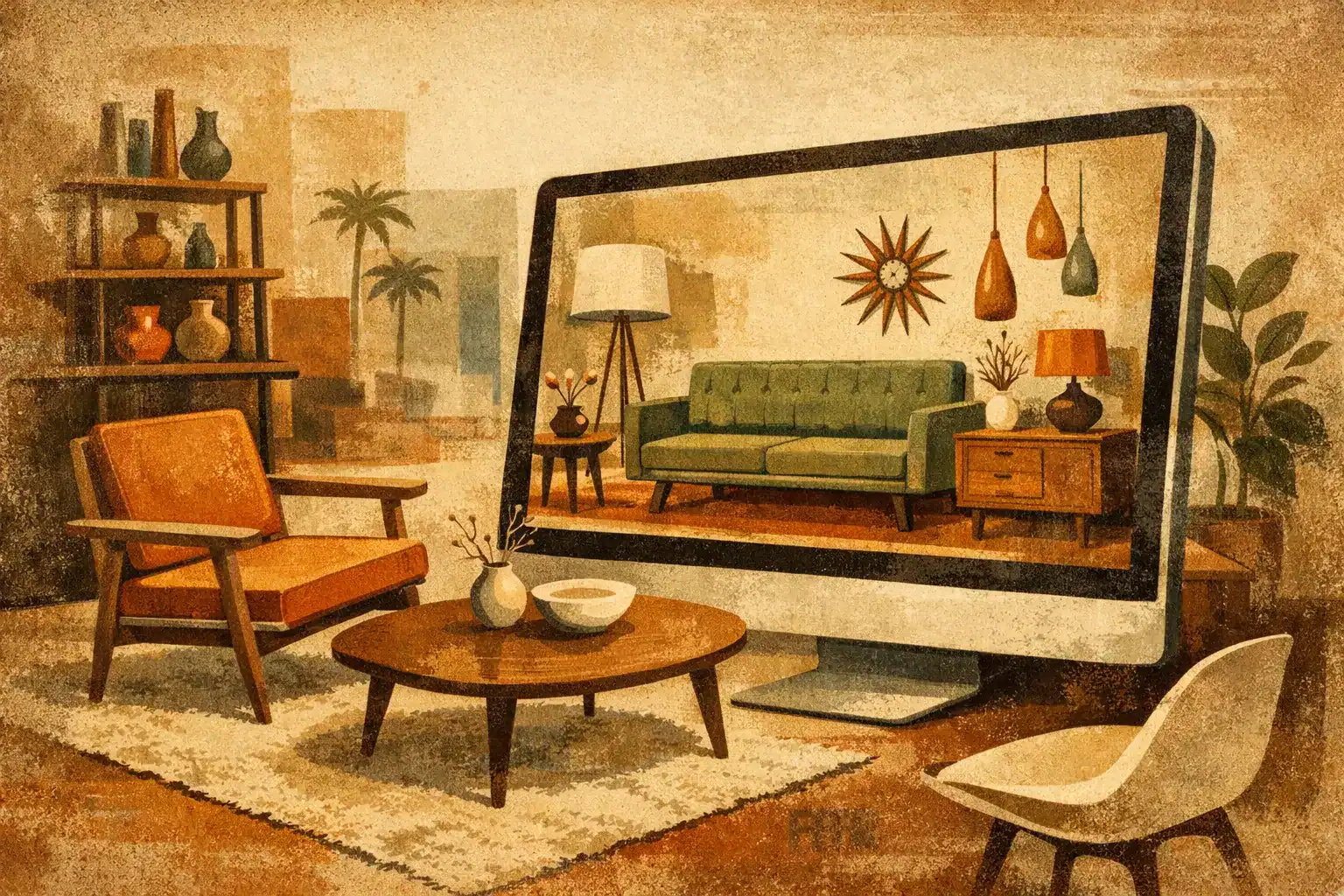
That distinction matters more online than it does in a showroom. You cannot run a hand along the grain, inspect the joinery, or feel the weight of a drawer. What you can do is read carefully, look closely, and learn what separates a convincing listing from a decorative imitation. Mid-century modern furniture is one of the most copied categories in interiors, and that is precisely why good curation matters.
What makes the best mid century modern furniture online worth buying
The strongest online sources do not simply present a style. They present furniture with specificity. That means clear dates or date ranges, honest condition notes, material descriptions that go beyond “wood finish,” and photographs that show proportion, patina, and wear instead of hiding them.
The appeal of mid-century design is easy to understand. The silhouettes are elegant without being fussy. Materials such as teak, rosewood, elm, oak, leather, and bent plywood age beautifully when they have been well cared for. The best pieces also solve practical problems very well. A compact chest, a floating wall unit, or a well-made extending dining table can still feel remarkably current because the era prized utility as much as form.
But the phrase itself covers a broad range. A Danish teak sideboard has a different visual rhythm from an American walnut case piece. Italian mid-century furniture often carries more sculptural drama. British examples can be more restrained and architectural. If you are shopping online, broad stylistic labels are not enough. You want a seller who understands these differences and describes them with confidence.
How to judge mid-century furniture online without seeing it in person
The first test is material honesty. Solid wood, veneered wood, tubular steel, original brass hardware, and period upholstery all tell a different story from MDF or recently applied synthetic finishes. Veneer is not a flaw in itself. Many excellent mid-century pieces use veneer beautifully. The question is whether the listing explains what you are looking at.
The second test is construction. Drawers should be shown open. Cabinet interiors should be photographed. Undersides, backs, and maker’s labels are useful because they reveal quality and age. If every image is styled from ten feet away, you are buying a mood rather than a piece of furniture.
Condition deserves a more mature view than many buyers bring to it. A forty, fifty, or sixty-year-old table should not look factory fresh unless it has been heavily refinished, and that may or may not be desirable. Light wear, small marks, mellowing timber, and minor age variation are often part of the appeal. Structural repairs, water damage, lifting veneer, or replaced components are another matter. The best sellers do not pretend age does not exist. They tell you where it shows and whether it affects use.
The details that separate vintage from reproduction
Proportion is one clue. Original mid-century furniture often has a subtlety that reproductions miss. Legs are finer. Edges are sharper. Handles are integrated more intelligently into the design. A reproduction may capture the outline of a sideboard but lose the balance that made the original feel so considered.
Hardware is another clue. Original pulls, hinges, shelf brackets, and locks frequently show a level of engineering and finish that cheaper reproductions simplify. Labels, stamps, and paper marks can help, though not every authentic piece retains them. Their absence is not proof of a fake. Their presence, when consistent with the period, is reassuring.
Then there is finish. Older teak and walnut develop depth over time. New imitations often look uniform or overly orange. Good photography should let you see that richness rather than smoothing every surface into the same tone.
Best mid century modern furniture online is often found through curation, not volume
Large online marketplaces can be useful for comparison, but sheer quantity is rarely the same thing as quality. If you are serious about buying well, curation usually beats volume. A tightly edited selection tells you the seller has a point of view. It suggests that pieces have been chosen for design merit, condition, and decorative usefulness rather than uploaded in bulk.
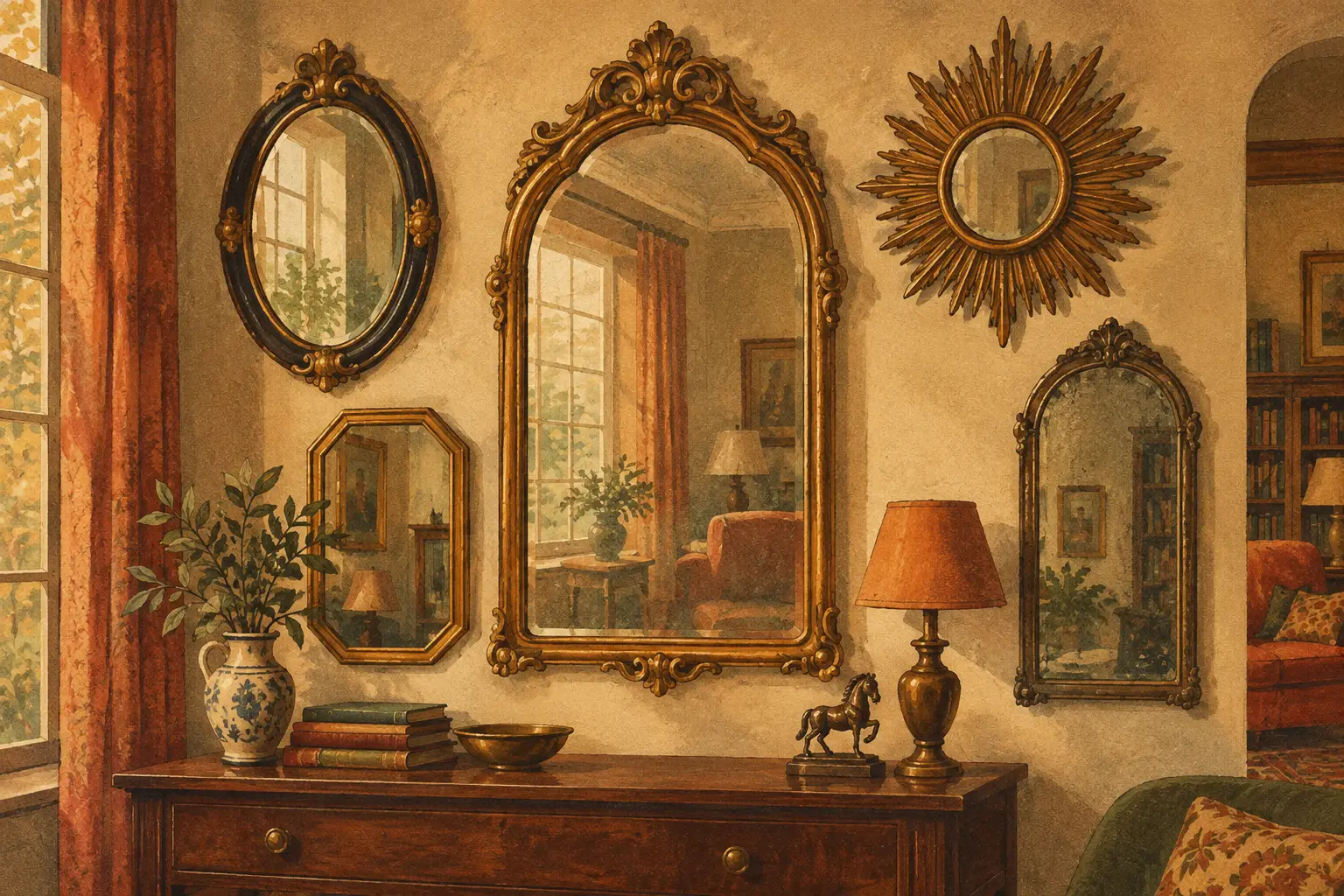
This is especially important if you want a room to feel collected rather than staged from a single source. The best interiors built around mid-century furniture have contrast. A disciplined Scandinavian cabinet might sit comfortably with older ceramics, a brass lamp, or a slightly rustic table. That tension gives a space depth. Shopping from a curated dealer makes this easier because the eye behind the selection has already done part of that work for you.
For buyers who value authenticity, provenance and restoration also matter. Not every piece needs a famous designer attribution to be worth owning. In fact, many wonderful mid-century furnishings were made by strong regional manufacturers whose work remains underappreciated. What matters is that the seller can explain what the piece is, when it was made, how it has been cared for, and why it deserves attention.
Which mid-century pieces are smartest to buy online
Some categories translate particularly well to online shopping. Sideboards and credenzas are perennial favorites because they combine strong visual presence with everyday usefulness. A good one earns its place. Bedside tables, coffee tables, wall mirrors, and compact storage pieces also make sense online, especially when dimensions are clearly given and scale can be judged against room photographs.
Dining tables require a little more caution. Measurements matter, extension mechanisms should be shown, and condition at the top surface is critical. Seating is even more dependent on details. Chair frames may be beautiful while upholstery or webbing needs attention. That is not necessarily a reason to avoid them, but it should affect price and expectations.
Cabinetry and display pieces can be some of the best buys if you understand your space. Mid-century storage was often designed for real homes rather than oversized rooms, which means many vintage pieces are more versatile than current furniture. They can work in apartments, hallways, dining rooms, and home offices without overwhelming the architecture.
A note on value versus price
The cheapest option online is often the least satisfying one. Good vintage furniture holds value because it was made well to begin with. Better timber, better hardware, and more thoughtful construction generally cost more up front but age far more gracefully. There is also an environmental logic to buying an existing piece that has already proved its durability.
That said, expensive does not always mean exceptional. Designer names can inflate pricing, and some mass-produced period pieces are sold at ambitious figures simply because mid-century remains fashionable. The smarter question is whether the piece offers lasting utility, visual strength, and material quality in proportion to the price.
What a trustworthy online dealer should tell you
A strong listing answers practical questions before you have to ask them. You should expect dimensions, materials, age or era, condition, signs of restoration, and enough images to assess silhouette and surface. You should also get a sense of whether the seller understands interiors, not just inventory.
That is where a more editorial approach becomes valuable. Dealers who specialize in curated antiques and vintage design tend to present furniture as part of a broader decorative world. A sideboard is not only storage. It may be the anchor for pottery, lighting, framed art, or a mirror above it. For buyers furnishing homes with character, that context is useful because it helps translate a standalone listing into a room that feels layered and personal.
For those buying from established specialists, including dealers serving design-conscious customers in places such as Hitchin and the wider Hertfordshire area, that local grounding can also add confidence. It suggests accountability, a real point of view, and often a more careful sourcing process than anonymous volume selling.
How to buy with confidence and live with the piece well
Before you commit, measure twice and then measure again. Doorways, stair turns, and wall lengths matter just as much as the furniture itself. Think about visual weight too. A low long sideboard may be easier to place than a tall cabinet, even when both technically fit.
Then consider how the piece will sit with what you already own. Mid-century modern furniture does not need a full period setting to work. In fact, it often looks better when mixed. A clean-lined teak chest can soften a newer interior, while a sculptural lounge chair can bring shape to a room full of straight contemporary forms.
The best online buys are not always the rarest or the most expensive. They are the ones that continue to reward attention after the delivery is done – through craftsmanship, usefulness, and the quiet confidence that comes from owning something made with care. Buy the piece that has substance, not just style, and your home will feel richer for it.