A carved oak chest, a glazed West German vase or a vintage floor lamp rarely travels like an ordinary online purchase. If you are asking, are antiques delivered in Hitchin?, the useful answer is yes, but the right delivery arrangement depends on the object itself. Its size, age, materials, condition and route into your home all deserve consideration before it leaves the seller.
For buyers furnishing a Georgian cottage, a Victorian terrace or a more contemporary Hitchin home, delivery is not simply the final step of a purchase. It is part of caring properly for an object that may already have travelled through several generations. A considered service helps ensure that a piece arrives ready to take its place, with its character intact.
Are antiques delivered in Hitchin with care?
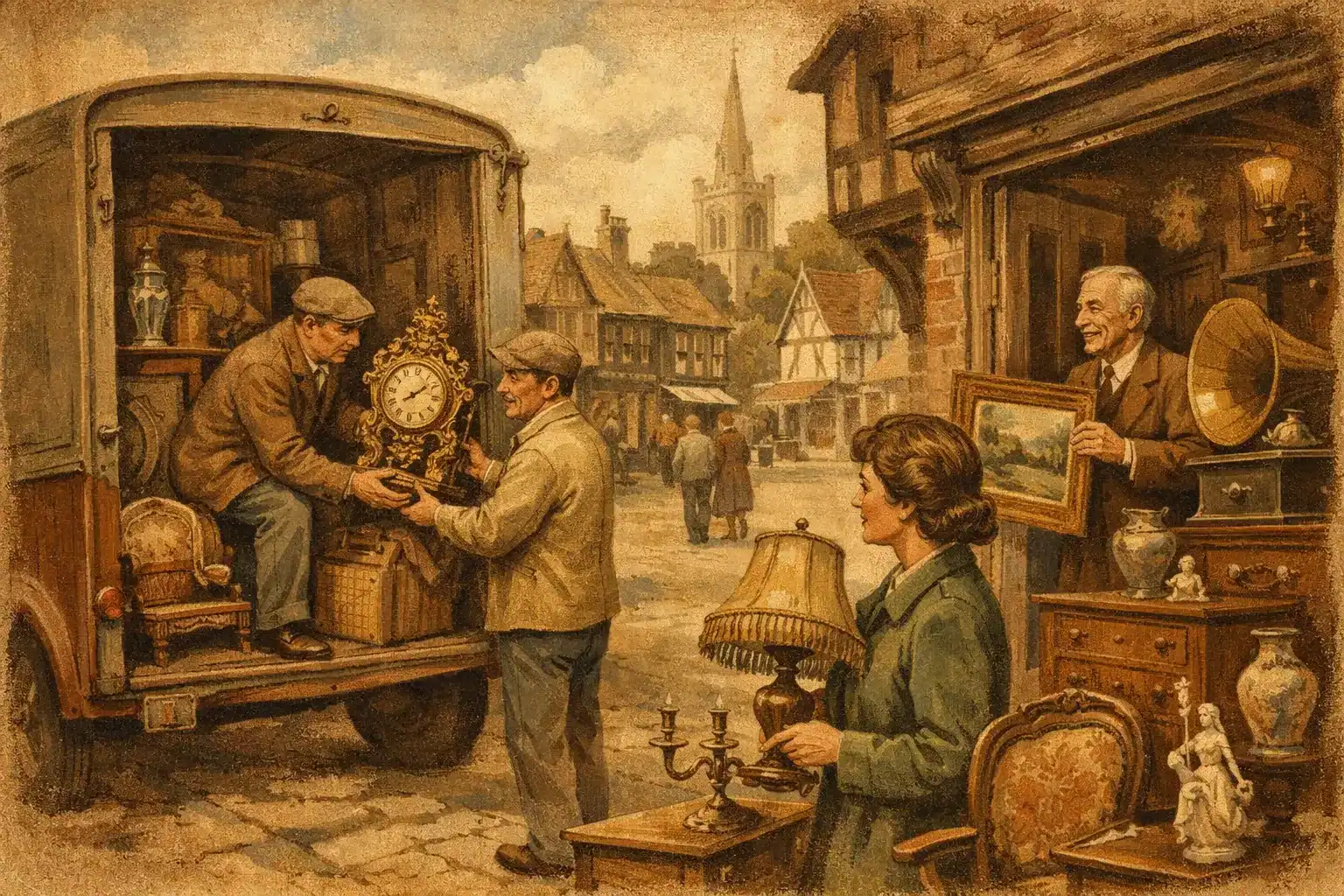
Antiques can be delivered in Hitchin, from smaller decorative pieces suitable for carefully packed carriage through to larger furniture that calls for a specialist courier or arranged local delivery. The method should be selected for the item, rather than treating every purchase alike.
A small piece of Bakelite jewellery, antique ceramics or a compact collectible may be safely dispatched when it is wrapped, cushioned and boxed with proper attention. Fragile handles, raised decoration, glass shades and original finishes need particular protection. Good packing is not about using more material for its own sake. It is about preventing movement inside the package and protecting the vulnerable points of an individual object.
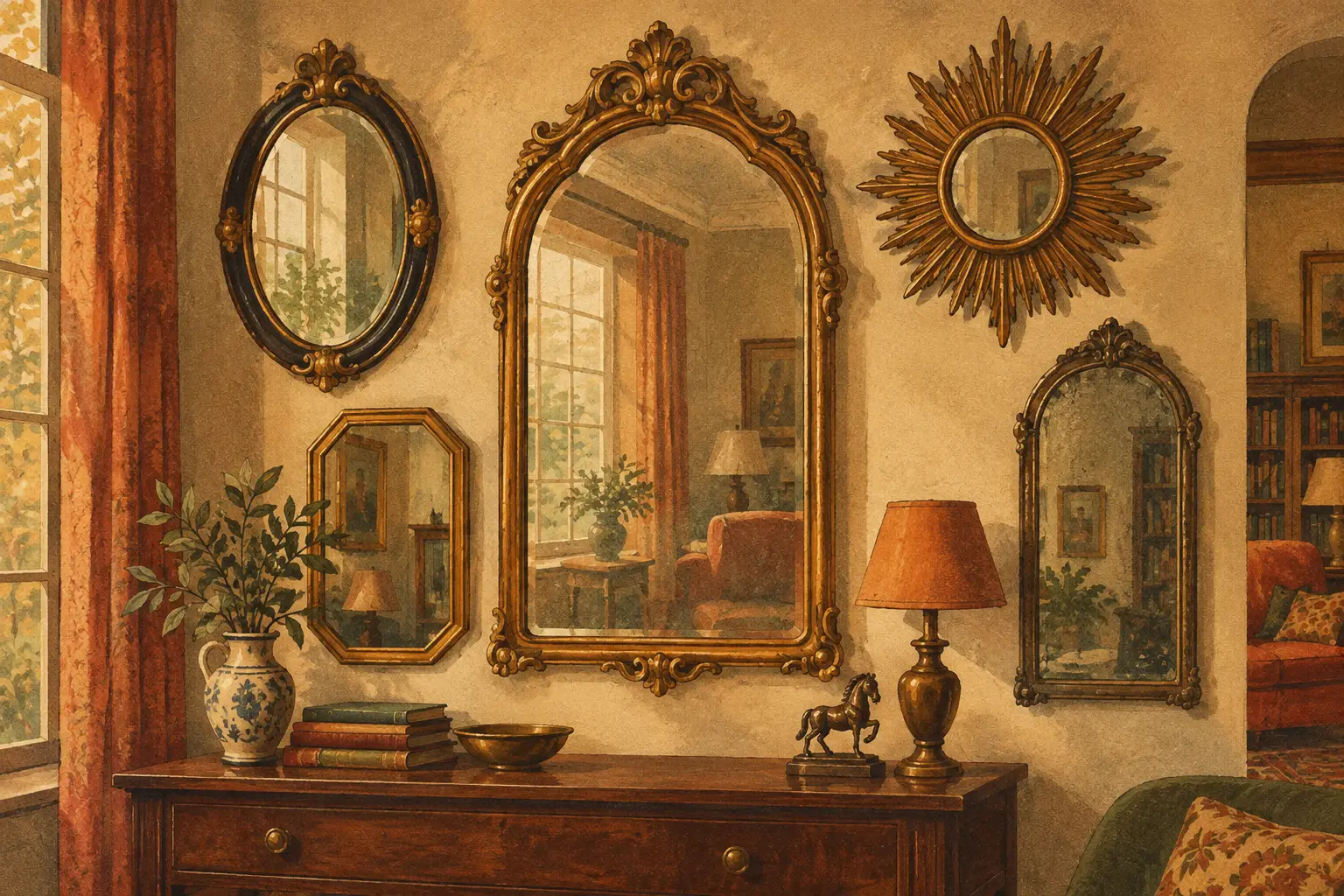
Larger pieces require a different approach. An antique chest of drawers, mid-century sideboard, architectural mirror or vintage lighting with a substantial base should normally be handled as furniture, not sent through a standard parcel network. Collection or dedicated delivery reduces unnecessary handling, limits the chance of knocks, and allows the piece to be transported upright where appropriate.
MN Interior Antiques approaches each item as a one-off. That matters because original patina, aged timber, old glazing and hand-finished surfaces are part of an antique’s appeal, but they also ask for more care than a newly manufactured item.
What determines the delivery method?
The practical question is not only whether delivery is available, but how the item can be moved safely from showroom or storage to its new setting. Weight and dimensions are obvious factors, yet they are only part of the picture.
A narrow but tall display cabinet can be more awkward to carry than a low, heavy coffee table. A marble-topped washstand may need careful protection against vibration. A delicate 1960s pendant light may be physically small while still needing its shade, fittings and wiring protected separately. Age can also affect the decision. A sound nineteenth-century pine table may travel very well, whereas a chair with an old repair or a cabinet with original bowed glass needs a more cautious plan.
Access at the delivery address is equally relevant. Before arranging delivery, consider entrance widths, staircases, tight turns, parking restrictions and whether the final room is on an upper floor. A sideboard that fits beautifully along a dining-room wall is of little use if it cannot pass the hall or turn on the landing. Measuring both the object and the route is one of the simplest ways to avoid a difficult delivery day.
Ground-floor delivery versus room placement
Delivery terms vary, so it is wise to establish what is included before committing to a date. Some services deliver to a ground-floor entrance or threshold, while others may be able to offer room placement where access allows. The latter can be especially helpful with antique furniture, but it can involve more time, handling and planning.
If room placement is required, clear the route beforehand and remove loose rugs, small tables and anything that could catch a corner or trip a carrier. Let the seller know about steep steps, restricted access or a lack of nearby parking early in the process. Clear information gives everyone the best chance of arranging a safe, realistic service.
Preparing your home for antique furniture delivery
The anticipation of a distinctive piece arriving is part of the pleasure of buying vintage interiors. A few preparations preserve that pleasure when the day comes.
First, measure with the item’s widest point in mind. Doors, internal corridors and stairwells can be less forgiving than a room. Do not forget handles, feet, cornices, drawers that project, or removable mirror sections. If a component can be safely removed for transport, this should be agreed in advance rather than improvised at the doorstep.
Next, decide where the piece will sit. Antiques respond to their surroundings. Avoid placing wooden furniture directly against a consistently damp external wall or beside strong, constant heat. A vintage cabinet may have survived a century, but abrupt changes in temperature and humidity can still encourage movement in timber or affect old veneers.
For lighting, have a qualified electrician assess and install any piece that needs connection to your mains supply. Vintage lighting is valued for its design, whether that is a sculptural mid-century form or the quieter elegance of an earlier lamp, but historic wiring may not meet modern expectations. Rewiring or testing is a practical part of bringing an older light into daily use.
Delivery does not remove the need to inspect
When an antique arrives, take a moment to look it over before styling it into the room. This is not a cold, formal exercise. It is an opportunity to become familiar with the object’s surface, construction and history.
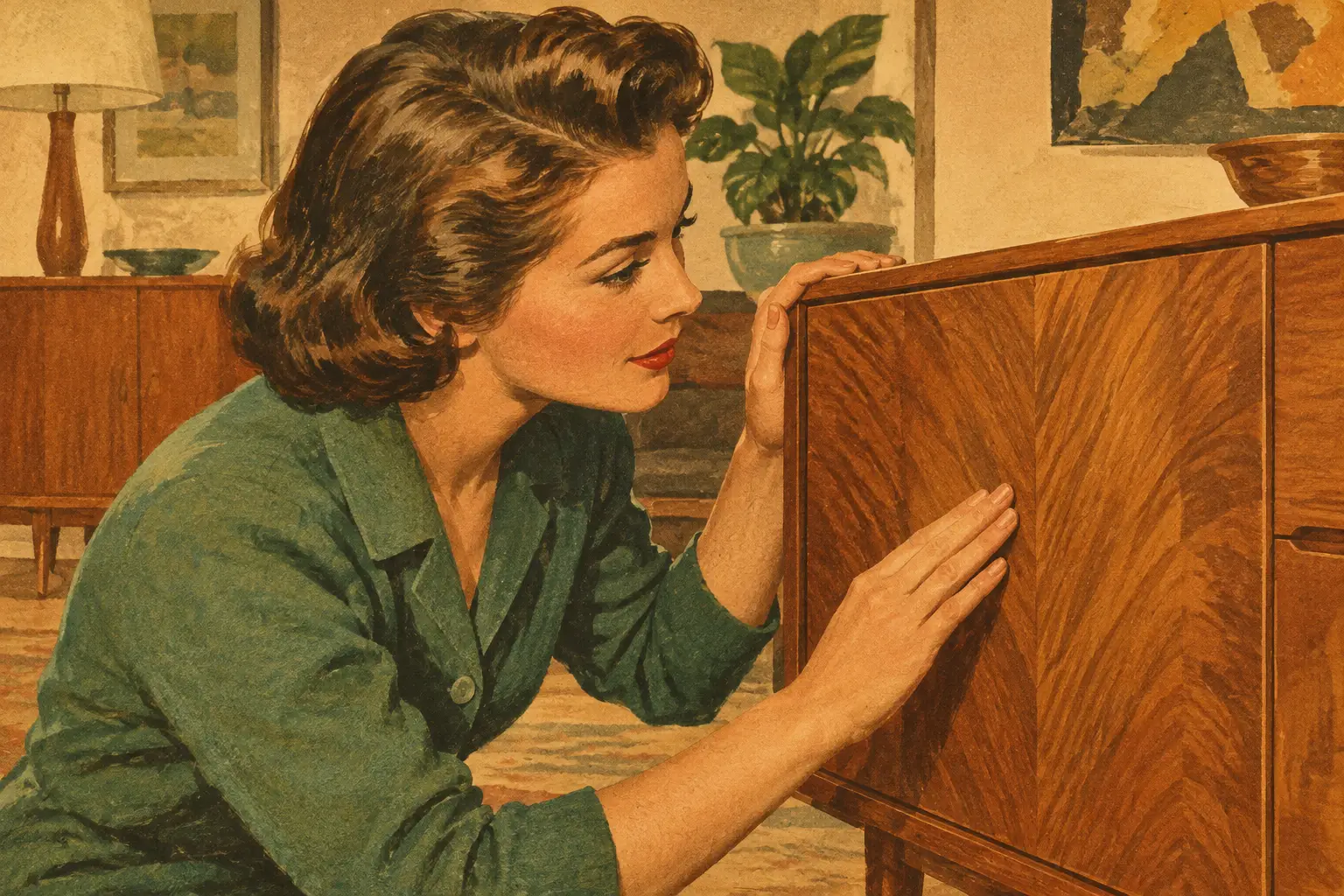
Compare it with the description and photographs you considered before buying. Expect honest signs of age where these have been identified: a mellowed finish, light wear to an edge, old repairs, small variations in glaze or marks from a former life. These are often the details that distinguish a genuine antique or vintage piece from a reproduction.
At the same time, check for any transport-related concern while the delivery is taking place. Photograph packaging and the item if something seems amiss, and raise it promptly with the seller or carrier. Keeping clear records is sensible, particularly with fragile antique ceramics, mirrors and lighting.
A reputable antique dealer should describe condition with care before sale, including restoration, repairs and meaningful wear. Delivery should protect a piece in transit, but it does not turn a historic object into a factory-perfect one. The appeal lies in knowing the difference between age that gives a piece depth and damage that affects its use or value.
Local delivery makes considered buying easier
For those seeking mid-century furniture in Hitchin or decorative antiques for a Hertfordshire home, local delivery can make buying larger or more fragile pieces far more practical. It opens up options that are difficult to collect in an ordinary car, from a teak sideboard with elegant proportions to a substantial studio pottery vessel or a reclaimed architectural element.
It also allows buyers to choose with their interior in mind rather than limiting themselves to what can be carried home immediately. That freedom is valuable when building a room gradually. One strong piece, selected for its material, form and story, often has more presence than several hurried purchases.
There are trade-offs. Specialist transport can cost more than standard postage, and arranging a suitable date may take longer. Yet for furniture with original veneer, a tall vintage lamp or a piece of antique glass, the additional care is usually worthwhile. The goal is not speed at any cost. It is a safe handover that respects both the object and the home it is entering.
Questions worth asking before you buy
Before purchasing, ask how the item will be packed or transported, whether delivery is to the door or into the room, and what access information is needed from you. For furniture, request the full dimensions and confirm whether any sections are removable. For fragile pieces, ask how they will be protected and whether their condition has been checked before dispatch.
It is also sensible to ask about timing. Some local deliveries can be arranged relatively quickly, while others are planned around courier routes or specialist availability. A clear answer allows you to prepare the space and make sure someone is present to receive the item.
The best antiques do more than fill a gap in a room. They bring craft, material honesty and a sense of continuity to everyday life. With the delivery details settled properly, you can focus on the satisfying part: finding the place where that newly arrived piece looks as though it has always belonged.