A single vase can bring more character to a shelf than a roomful of predictable decoration. If you have found yourself asking, what is fat lava, the answer lies in a particularly expressive chapter of post-war European ceramics: boldly shaped pottery with thick, tactile, often volcanic-looking glazes.
Fat Lava pottery has become a favourite with collectors, decorators and anyone drawn to vintage interiors with real visual presence. It is not quiet pottery, and that is precisely the point. From richly bubbled red and orange surfaces to dramatic black, cobalt and cream combinations, these pieces make their mark through texture, colour and confident mid-century form.
What Is Fat Lava Pottery?
Fat Lava is the collector’s term most often used for a group of West German ceramics made primarily from the 1950s through to the 1970s. The name refers to the heavy, lava-like glazes applied to many pieces – glazes that may be foamy, cratered, dripped, blistered or dramatically raised above the clay body.
The phrase can be slightly misleading. Fat Lava was not one factory, one designer or a formal style label used consistently by every maker at the time. It is now used as a useful umbrella term for the most sculptural, richly glazed examples of West German pottery. Not every piece of West German pottery is Fat Lava, and not every textured vase deserves the description simply because it is old.
At its best, Fat Lava combines an experimental surface with a considered silhouette. A vase might have a sharply pinched neck, a wide architectural body or a series of moulded bands beneath a glaze that resembles molten rock. The contrast between controlled form and wild surface is central to its appeal.
Why West German Pottery Became So Distinctive
Post-war West Germany saw a flourishing ceramics industry, with numerous factories producing decorative pottery for homes that were becoming more modern, colourful and design-led. Manufacturers embraced moulded forms, inventive glazes and serial production, making striking ceramics available beyond the traditional studio pottery market.
Companies including Scheurich, Bay Keramik, Carstens Tönnieshof, Dümler & Breiden, Jopeko and Roth produced a vast range of vases, jugs, planters and tableware. Their output varied enormously. Some designs were restrained and elegant, while others were gloriously exuberant, with thick lava glazes, bright colour blocking and deeply modelled textures.
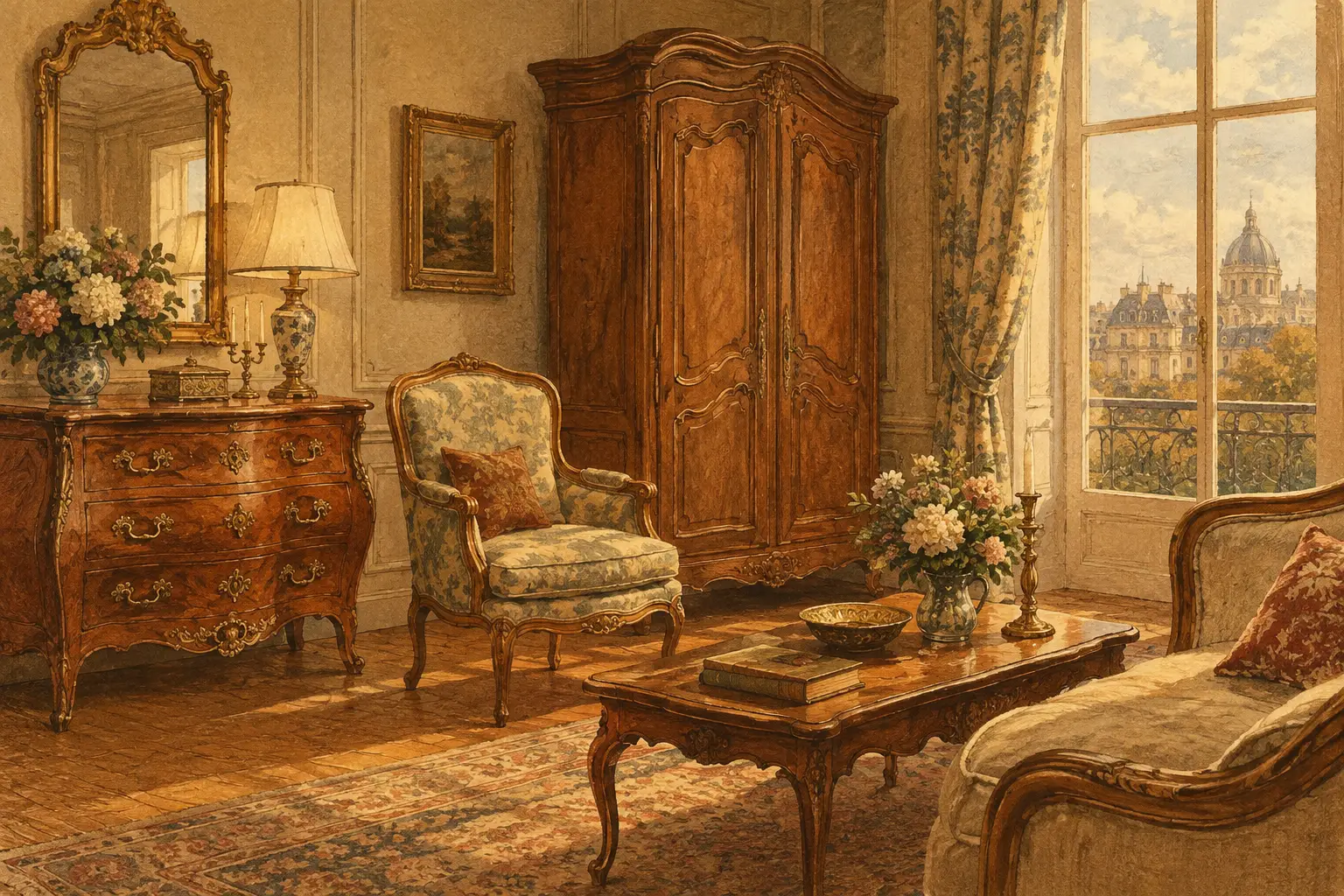
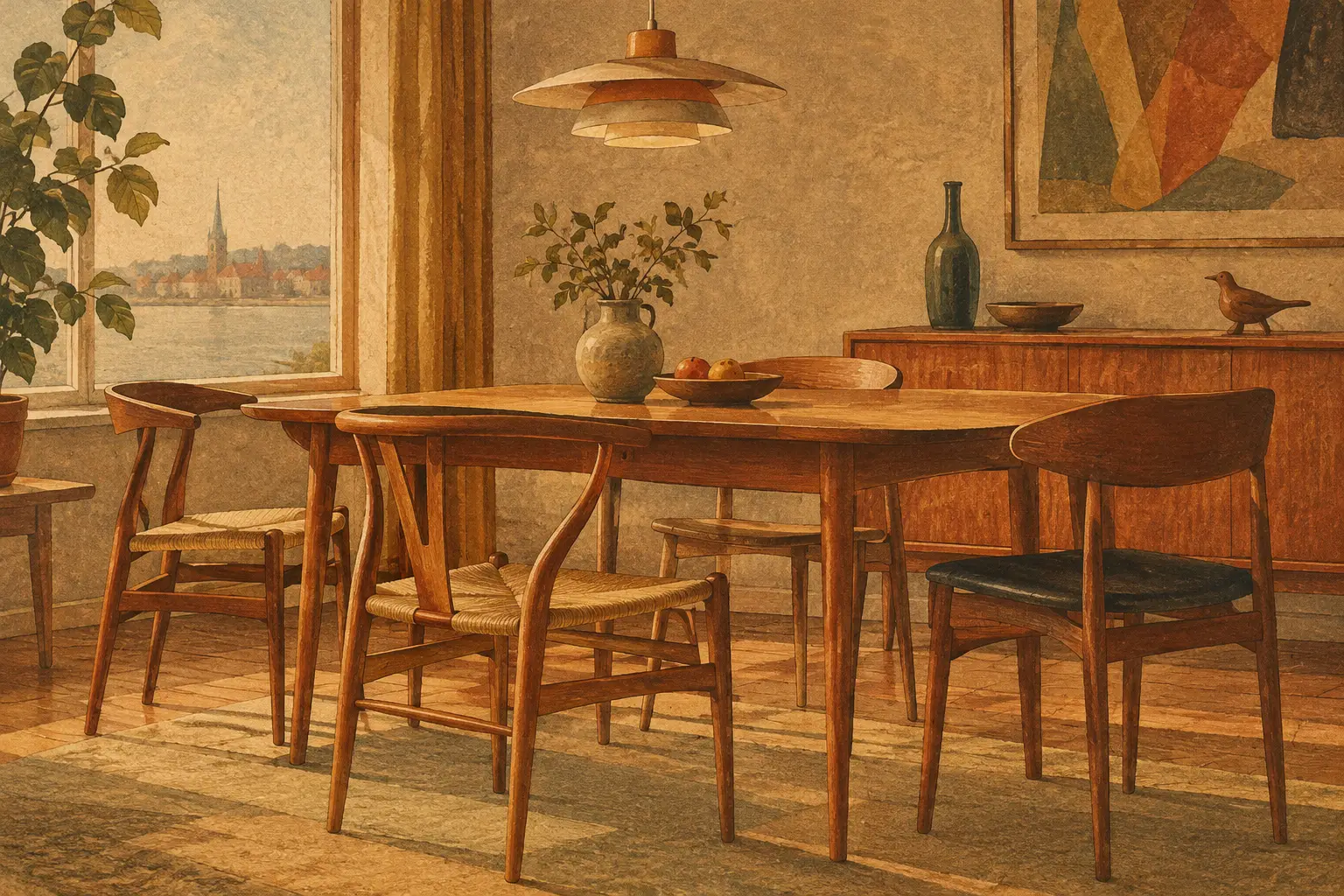
This was pottery designed to be seen. It sat comfortably in the interiors of the period alongside teak furniture, smoked glass, graphic textiles and sculptural lighting. Today, the same pieces work beautifully in more eclectic homes because they introduce colour and material depth without feeling overly precious.
The Hallmarks of Fat Lava Ceramics
The glaze is usually the first thing people notice. A classic Fat Lava finish can look volcanic, but it can also resemble tree bark, coral, reptile skin, foam or a field of tiny craters. Reds, oranges and browns are closely associated with the category, though collectors will also encounter vivid blue, turquoise, green, mustard, white and black.
Texture alone is not enough. Look at the shape beneath the glaze. Many desirable pieces have strong proportions: a narrow opening above a generously rounded body, a tall cylindrical vase with repeated relief decoration, or an angular handled jug with a deliberately graphic profile. The best examples feel resolved from every angle.
Decoration was often created through moulding as well as glaze. Raised geometric panels, stylised leaves, vertical ridges and abstract motifs are common. A glossy lava glaze may sit over a matte, earthy ground, giving the surface further depth. This interplay is why even a modestly sized vase can hold its own in a room.
Marks, numbers and what they can tell you
Turn a piece over before buying it. Many West German vases are marked on the base with “W. Germany” or “West Germany”, alongside a mould or shape number and, sometimes, the height in centimetres. A stamp, impressed maker’s mark or paper label can provide a clearer attribution.
A number such as 289-20 may indicate a particular shape followed by its approximate height. However, marking systems differ between manufacturers, and unmarked pieces are not automatically lesser or inauthentic. Labels are often lost over decades of use. The form, clay, glaze quality and provenance should all be considered together.
It is sensible to be cautious with listings that make a very precise factory attribution without showing a base mark or explaining the reasoning. There is nothing wrong with buying an unmarked vase for its decorative value, but a good description should be honest about what is known and what remains uncertain.
How to Choose a Fat Lava Vase for Your Home
The right piece depends less on whether it is the loudest and more on where it will live. A large, high-contrast vase can anchor a sideboard, fireplace or dining table. Smaller examples are particularly effective on a bookcase, in a niche or grouped with a framed work and a vintage lamp.
Consider the relationship between the vessel and the room. In a neutral scheme, a fiery red-orange glaze introduces warmth without requiring a complete redesign. In a maximalist or mid-century setting, a darker black and brown piece can add texture while allowing patterned textiles and timber furniture to remain the focus.
Fat Lava pottery does not need to be displayed in large collections to make an impact. One particularly good vase is often more persuasive than several unrelated examples. If you do group pieces, vary the heights and profiles, but choose a connecting element: perhaps a shared earthy palette, a similar glaze family or the same period.
There is also a practical consideration. Many pieces were made as decorative vases, but age and glaze crazing can make their suitability for holding water uncertain. If you plan to use fresh flowers, test carefully or place a smaller glass vessel inside. For dried branches, seed heads or simply as a sculptural object, this is not a concern.
Condition, Restoration and Collectability
As with all antique ceramics, condition affects value, but it should be judged with a sense of proportion. Tiny glaze bubbles, irregularities and variations in colour are often part of the original making process, not damage. In fact, a perfectly even surface would miss much of the point with this category.
More significant issues include chips to the rim or base, cracks, restoration, hairlines and areas where the glaze has been poorly repainted. Run a fingertip gently around the rim and look over raised decoration, as high points are most vulnerable to knocks. A visible repair does not necessarily rule out a purchase, particularly for an uncommon or beautifully decorative form, but it should be reflected in the price and clearly disclosed.
Rarity matters, though it is not the only measure of desirability. A recognisable factory mark, unusual form, exceptional glaze combination or excellent condition can all increase interest. Yet the pieces that earn a place in a home are usually those that feel immediately right: substantial, well balanced and full of surface life.
Fat Lava Beyond the 1970s Trend Cycle
Fat Lava has enjoyed renewed attention as collectors move away from overly uniform interiors. Its appeal is not simply nostalgic. These ceramics offer the qualities many mass-produced decorative objects lack: weight, variation, evidence of making and a design language that is unapologetically individual.
They also sit naturally among other collected pieces. A lava-glazed vase can soften the clean lines of mid-century furniture, add colour beside architectural salvage, or bring a playful contrast to antique furniture with darker timber and formal detail. For those sourcing West German pottery in Hertfordshire, the pleasure is in finding a piece whose form and glaze still feel fresh decades after it left the kiln.
A well-chosen Fat Lava vase should never feel like an obligation to follow a trend. Let the glaze, shape and condition guide you, then give it room to be seen. These are objects made to catch the eye, reward a closer look and bring a little history – and a great deal of character – to everyday interiors.