A lamp can be the smallest object in a room and still change its entire atmosphere. The right ceramic base, pleated shade or sculptural brass stem brings warmth long before it is switched on. When considering vintage lamps versus reproductions, the decision is rarely just about age. It is about the kind of character you want a room to carry, how the piece will be used, and whether you value the particular qualities that only time can give.
For some homes, an original 1960s table lamp with a rich glaze and gentle signs of use is the finishing note that makes modern furniture feel settled. For others, a newly made interpretation offers the right silhouette without the concerns of fragile materials or older wiring. Both can have a place in considered interiors, but they are not interchangeable.
Vintage Lamps Versus Reproductions: The Real Difference
A genuine vintage lamp is an object of its period. Its proportions, materials and construction reflect the manufacturing methods and tastes of the time. A mid-century lamp might have a hand-finished teak base, a textured stoneware body or an unusually weighted brass fitting. A 1970s piece may feature smoky glass, chrome, rattan or the expressive glazes associated with West German pottery. These details are not simply decorative. They are evidence of the design language from which the lamp came.
A reproduction takes inspiration from that language. It may copy the broad shape of a mushroom lamp, a Scandinavian-style timber base or an Art Deco shade, but it is made now, usually with modern production methods and materials. This can produce an attractive and useful light, particularly where a period look is wanted at a predictable price. However, a reproduction does not carry the same provenance, individuality or material depth as an original.
This is not an argument that every older lamp is automatically better. Poor design existed in every era, and a finely made modern lamp may be more suitable for a busy family room than a delicate antique. The question is whether you are buying an object for its appearance alone or for the appearance, history and craftsmanship held within it.
What Vintage Adds to a Room
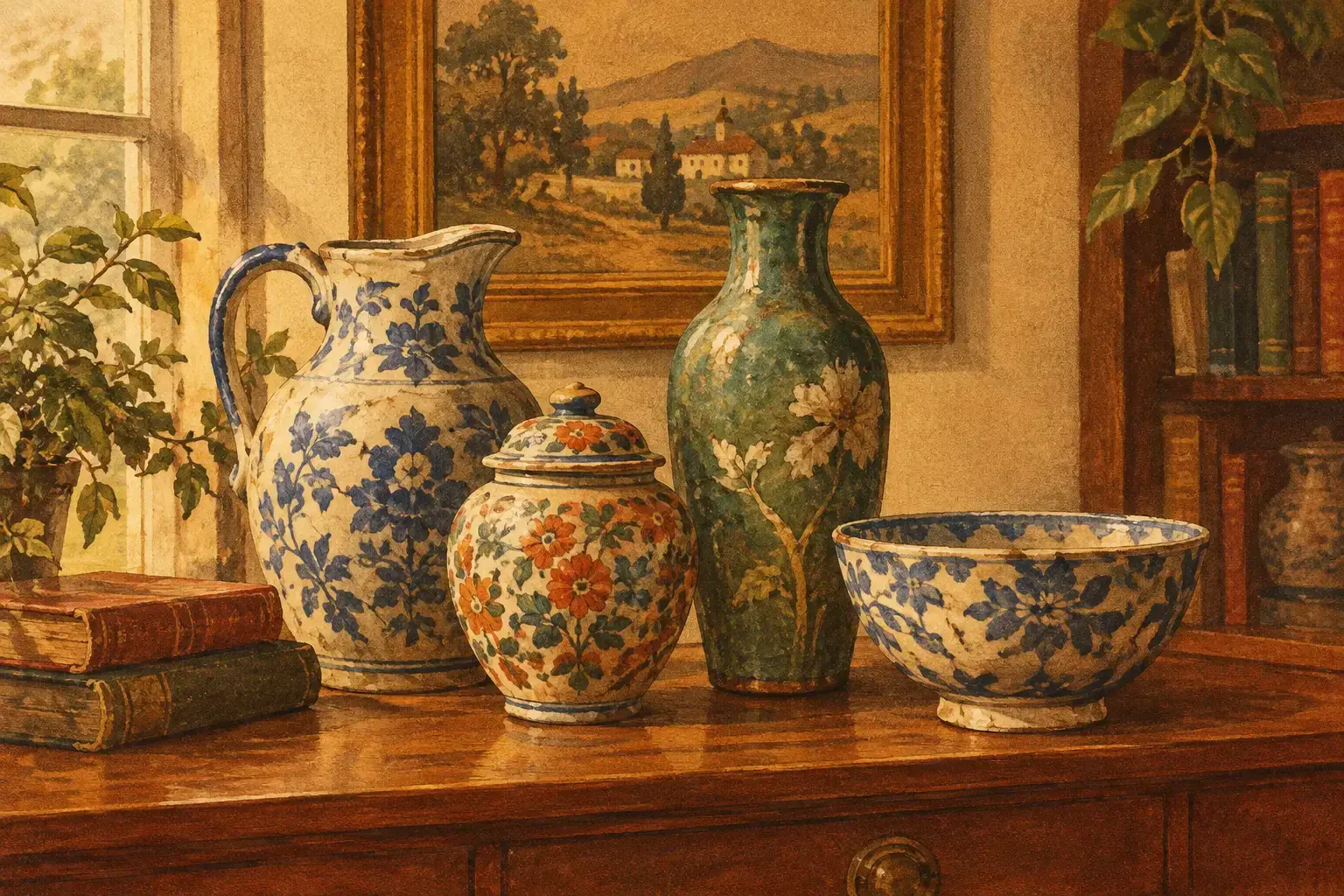
The appeal of vintage lighting is often felt before it is explained. Old brass develops a mellow patina that cannot be convincingly rushed. Hand-thrown ceramic bases show subtle variations in glaze and form. Timber gains softness at the edges through decades of handling. These marks are not defects when honestly described and sympathetically preserved. They give a room visual relief from the uniform surfaces of new furniture.
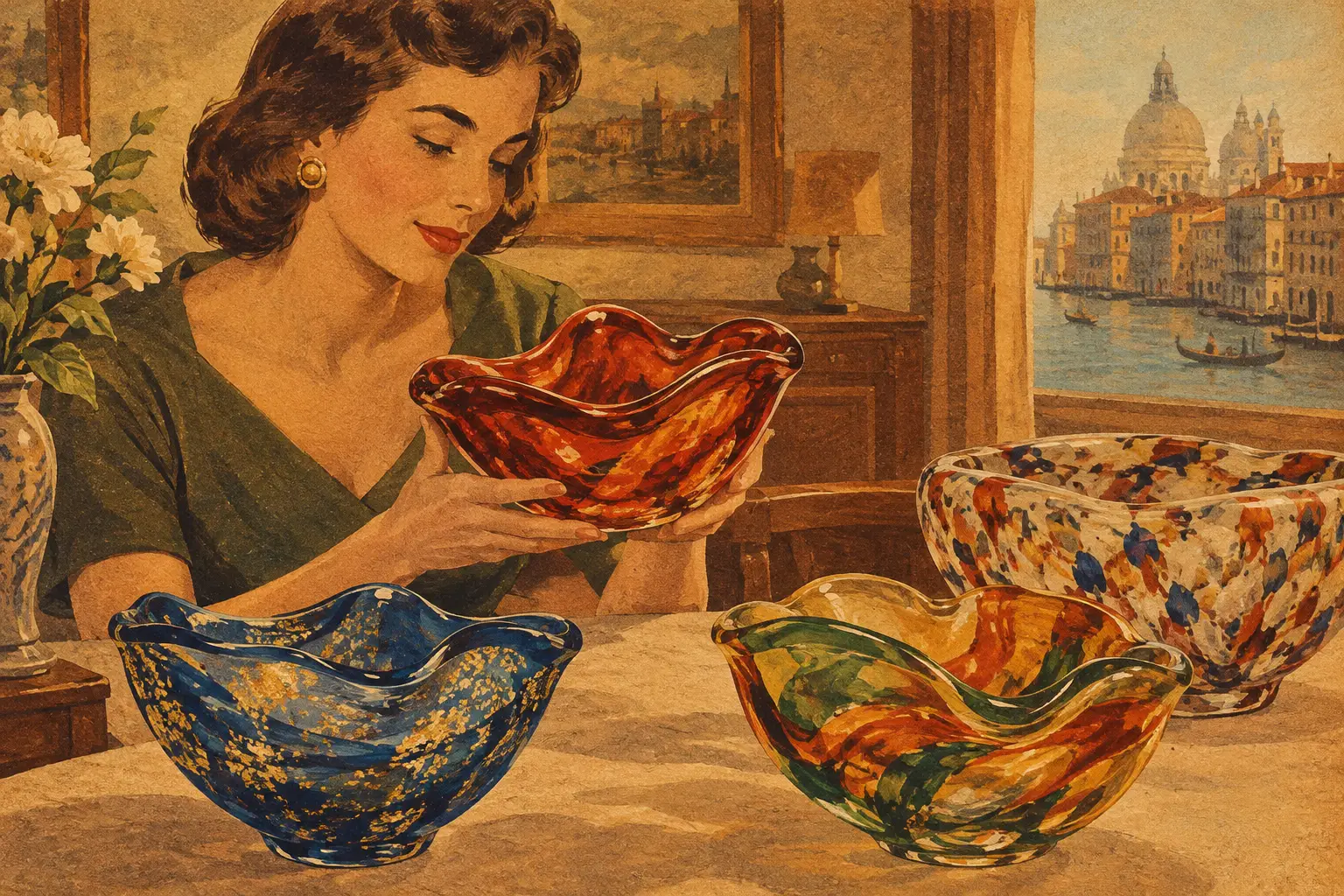
Vintage lamps also tend to bring a more personal sense of discovery. An original piece may be one of a small production run, an example from a respected maker, or simply a wonderfully resolved anonymous design. No neighbour is likely to have bought the identical lamp from the same high-street collection. For collectors, this individuality can develop into a deeper interest in a maker, period or material.
There is a practical decorative advantage, too. A room furnished entirely with new pieces can feel a little flat, even when each item is well chosen. One vintage lamp on a sideboard, console or bedside table introduces age and contrast. It gives contemporary upholstery, clean-lined joinery and fresh paintwork something to answer to.
The value of provenance and condition
With an original lamp, value is shaped by more than the look. Maker, date, rarity, materials, condition and completeness all matter. An original label, an undamaged ceramic base, the correct hardware or an exceptional glass shade can make a meaningful difference.
Condition should be read sensibly rather than fearfully. Gentle rubbing to a brass surface or minor age-related wear can be part of a lamp’s charm. Hairline cracks in ceramic, deep corrosion, significant chips or unstable construction are more serious considerations. A carefully curated seller should describe these points plainly, so the buyer understands both the beauty and the reality of the piece.
Where Reproductions Make Sense
Reproductions are most compelling when they are chosen honestly rather than presented as substitutes for originals. They can be useful in a room that needs several matching lights, in a rental property, or where a particular scale is required and genuine examples are difficult to find. A pair of new bedside lamps, for instance, may offer consistency, easy replacement and a lower level of worry.
They also suit situations where a lamp will receive hard daily use. In a child’s bedroom, a narrow hallway or a heavily used holiday let, practical resilience may be the priority. Modern fittings, readily available shades and straightforward returns can be reassuring.
The limitation is often in the details. Reproductions can rely on lightweight metals, machine-applied finishes and simplified construction to meet a price point. From across a room that may not matter. Up close, the difference between a printed wood effect and solid timber, or a thin plated surface and aged brass, becomes clearer. If the lamp will be a focal point, it is worth inspecting the material quality rather than judging from a photograph alone.
Wiring, Safety and Everyday Use
Older lighting deserves proper attention, but it need not be inconvenient. A vintage lamp should be checked for stable construction, sound cable, a suitable plug and a correctly fitted lamp holder. Many original lamps have been professionally rewired, which allows their character to remain while making them appropriate for modern domestic use.
Ask whether the lamp has been rewired and whether it has been tested before purchase. If it retains original wiring, factor in the cost of having a qualified electrician inspect or rewire it. This is particularly relevant for lamps with brittle fabric-covered cable, loose fittings or old two-pin plugs. The shade also matters: it should sit securely and leave adequate space around the bulb.
Modern LED bulbs make vintage lighting more practical than it once was. They produce far less heat, use less energy and are kinder to older shades and fittings. Choose a warm-white bulb for the soft, layered light that table and floor lamps do best. Very cool bulbs can make a beautiful aged glaze or brass finish appear harsh.
Comparing Cost Beyond the Ticket Price
A reproduction is often cheaper at the point of purchase, though not always. A high-quality contemporary design lamp can cost as much as a good original, particularly when it uses solid brass, hand-finished ceramic or specialist glass. Conversely, an unlabelled vintage lamp in excellent condition can offer remarkable decorative value.
The more useful comparison is long-term value. A well-chosen vintage piece is unlikely to be identical to thousands of others, and it may retain its appeal as fashions shift. If it is from a recognised maker or has strong period character, it can remain desirable for years. That does not mean every old lamp is an investment, nor should investment be the only reason to buy one. It does mean that quality, originality and condition have a relevance beyond a season’s trend.
A reproduction may be the wiser purchase if budget is tight and the lamp’s purpose is purely functional. Yet buying the cheapest version of a currently fashionable design can lead to replacement when finishes wear or tastes change. One distinctive vintage lamp, bought with care, can often do more for an interior than several generic accessories.
How to Choose the Right One for Your Home
Start with the role the lamp must play. A reading lamp needs enough directional light and a practical height. A hall or side-table lamp can be more sculptural and atmospheric. Think about the shade as part of the whole composition: a new parchment, linen or silk shade can refresh an original base while preserving its character.
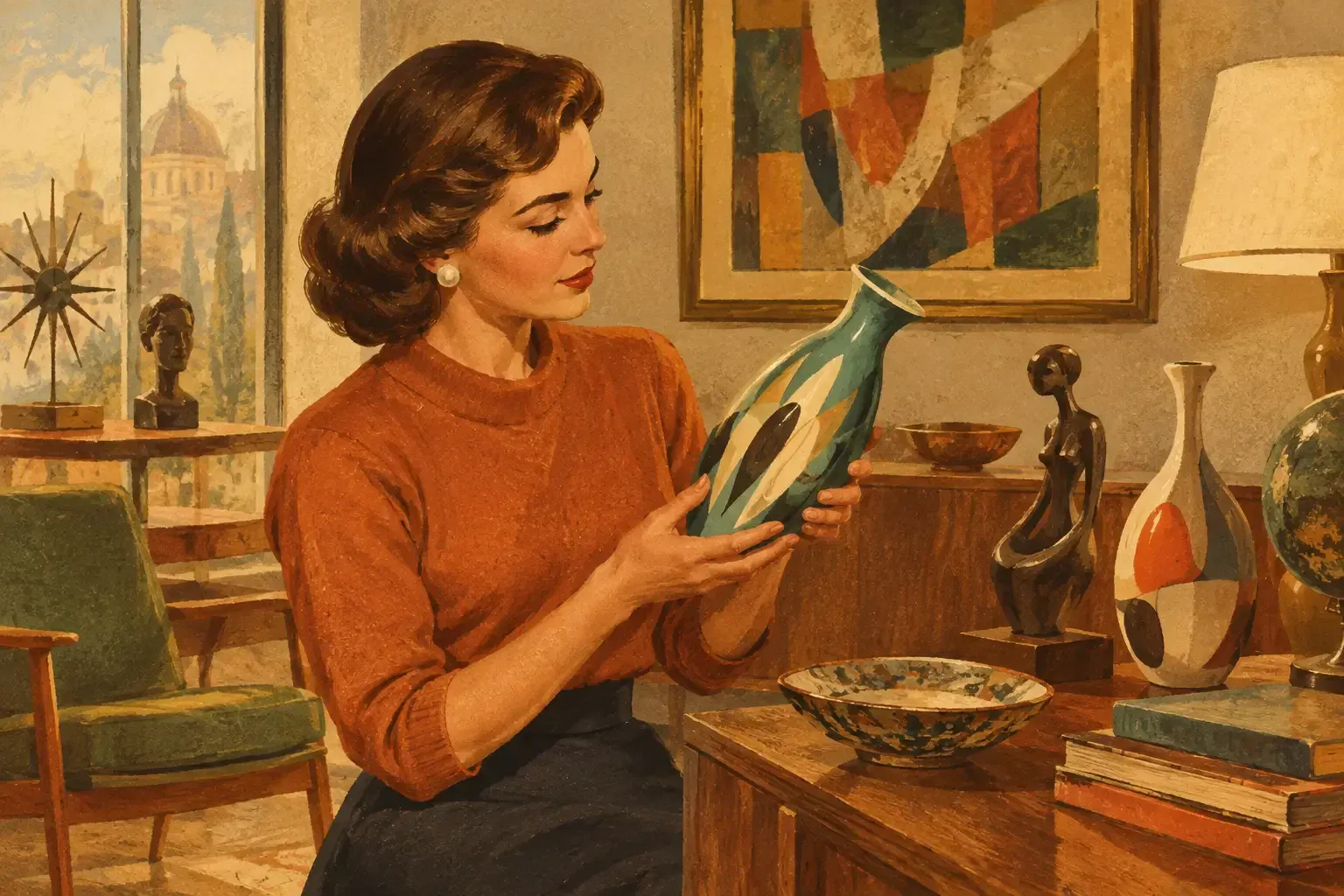
Then consider the existing room. Mid-century furniture often welcomes ceramic, teak, brass or smoked-glass lighting. Traditional interiors can take turned wood, painted toleware, pleated shades and older brass. In more contemporary spaces, an expressive 1960s or 1970s lamp can be the point of tension that stops the scheme feeling overly controlled.
For buyers seeking vintage lighting in Hertfordshire, viewing details closely is especially valuable. Look for clear photographs of the base, fittings, cable and shade, along with dimensions that show how a lamp will sit beside a sofa or on a chest of drawers. At MN Interior Antiques, the most rewarding pieces are selected not because they are merely old, but because their form, materials and presence still earn a place in a home.
Choose a reproduction when it meets a practical need better than an original. Choose vintage when you want a lamp that brings its own history into the room. The most enduring interiors rarely follow a rule either way – they make space for useful new pieces and memorable old ones, then let the light bring them together.