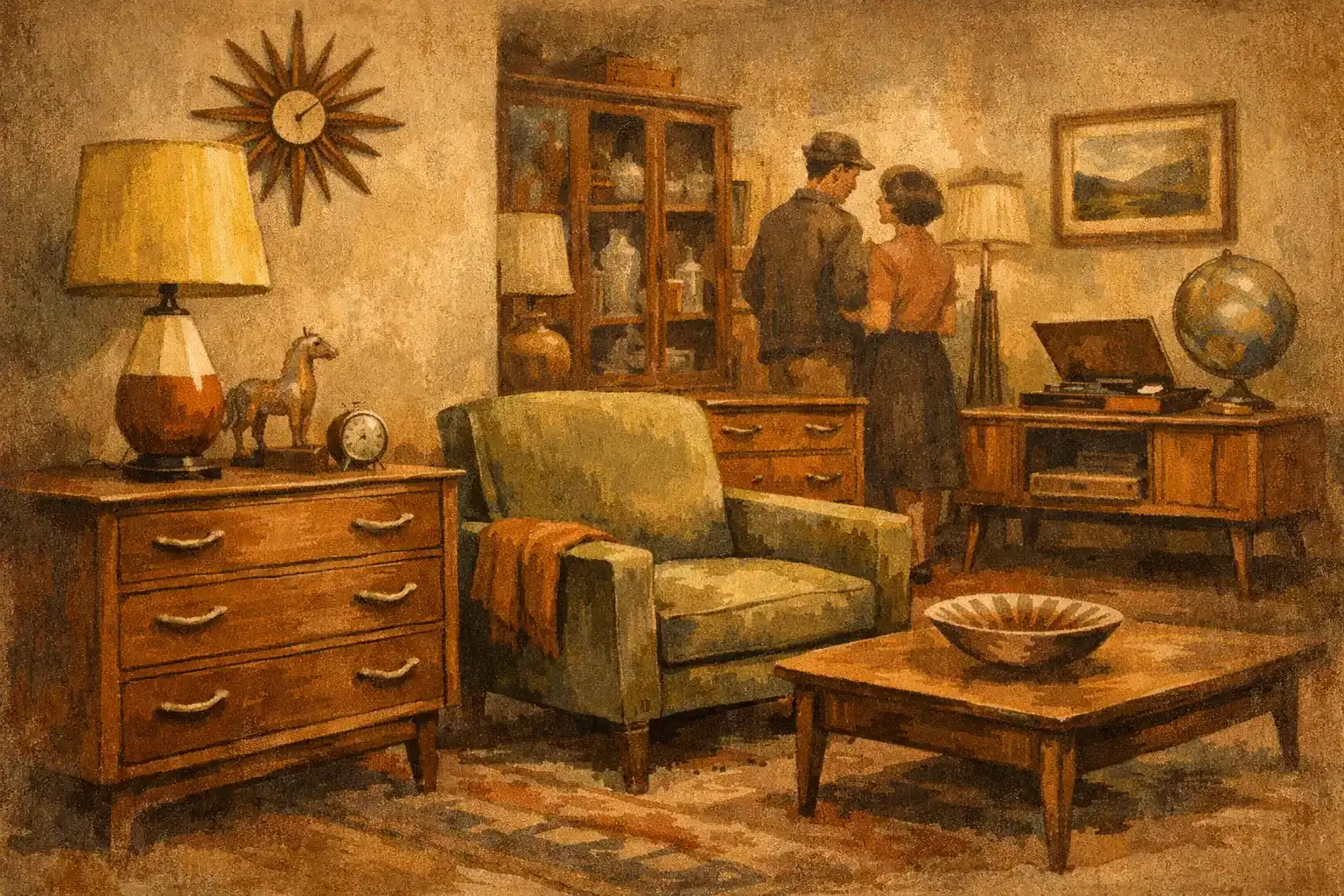
A beautifully patinated chest of drawers, a sculptural 1960s lamp or a piece of West German pottery can transform a room at first glance. But the details behind the object often matter as much as its decorative appeal. Provenance in antique buying is the record of where a piece has come from, who made or owned it, and how it reached the present day. It is part evidence, part story, and one of the most useful tools a buyer has when choosing with confidence.
For some objects, the paper trail is substantial: an invoice from a recognised maker, a family inventory, a sale catalogue or a photograph showing the piece in its original setting. For others, particularly humble country furniture and decorative objects, provenance may be more modest. A clear maker’s mark, an informed assessment of materials and construction, and an honest description of restoration can still tell a persuasive and valuable story.
Why provenance matters when buying antiques
Provenance does not simply mean that an item has an interesting past. At its best, it helps establish authenticity, clarifies age and explains why a piece looks the way it does. It can also affect value. A standard design may become considerably more desirable if it can be connected to a named designer, an important workshop, a documented interior or a notable former collection.
For a home buyer, the benefit is often more personal. Knowing that a painted cupboard came from a farmhouse in East Anglia, or that a mid-century chair retains its original label and upholstery history, gives the object a sense of place. These are not mass-produced furnishings with a vague retro finish. They are objects made in a particular time, for a particular use, carrying evidence of the lives they have passed through.
There is a practical side too. Provenance can reveal later alterations, repairs and replacements. A rewired vintage light, for example, may be safer and more usable in a modern home, but it is no longer electrically original. That is not necessarily a drawback. The right balance depends on whether you are furnishing a room, building a collection or purchasing a rare example where untouched condition carries a premium.
What counts as good provenance in antique buying?
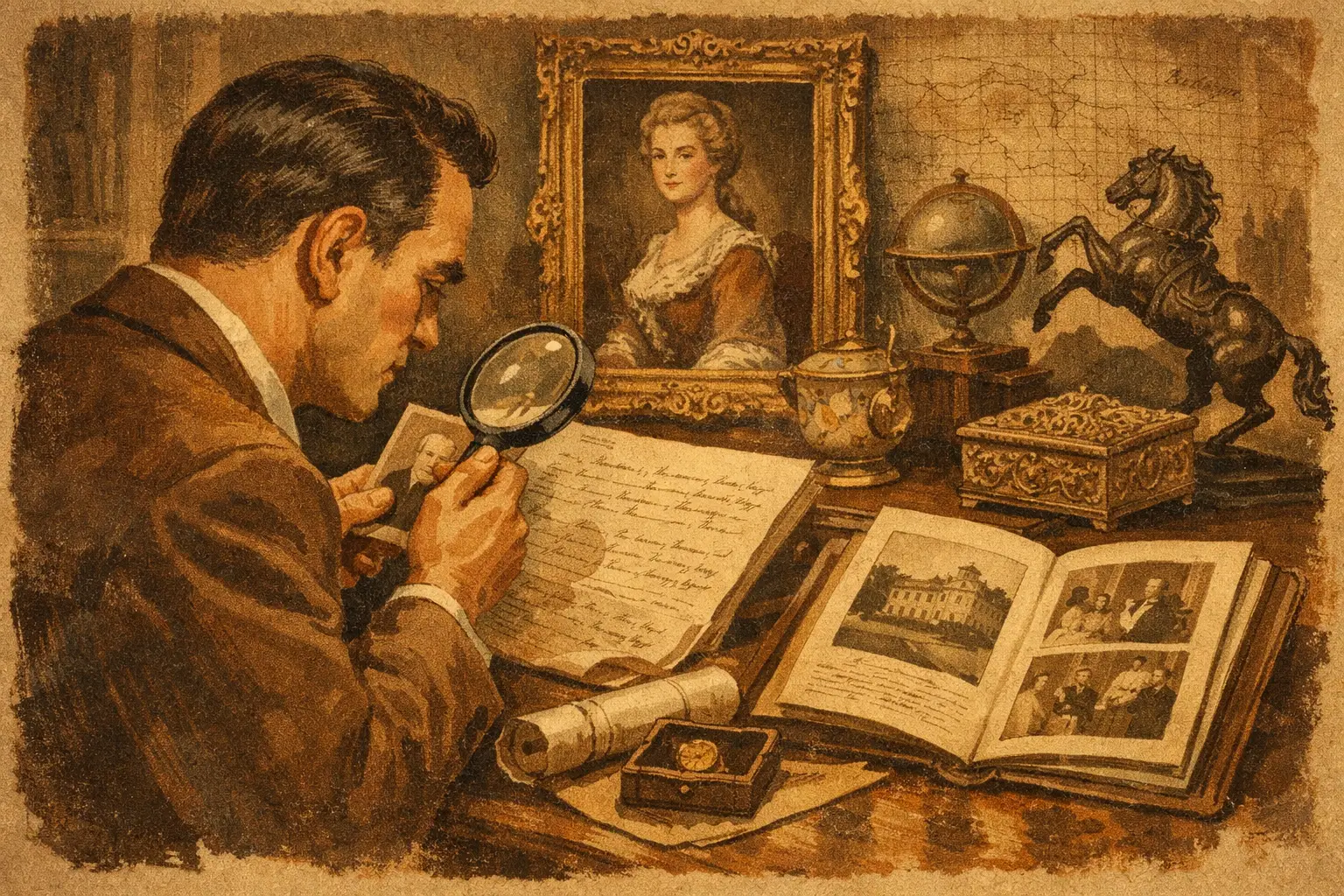
The strongest provenance is specific, traceable and proportionate to the object. Documentation from a maker, retailer, auction house or established collection is useful, particularly when it names the item, describes it accurately and can be matched to the piece itself. Original labels, stamps, signatures, trade cards, old photographs and dated receipts can all add useful evidence.
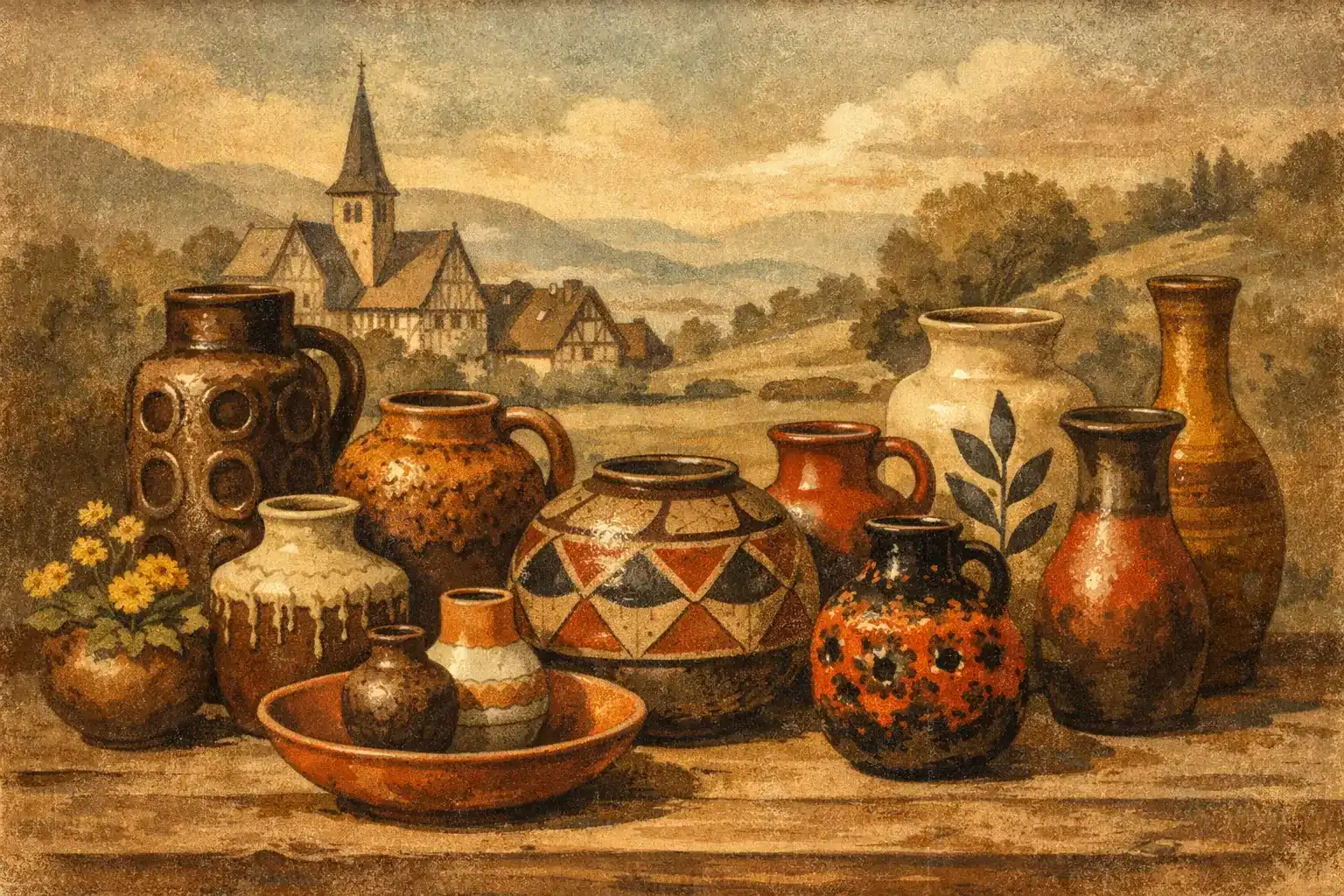
Physical clues matter just as much. Cabinet construction, timber choice, tool marks, fittings and wear patterns can help date antique furniture. A Danish mid-century sideboard might carry a maker’s stamp and model number. A piece of studio pottery may have an impressed mark beneath the glaze. Bakelite jewellery can be assessed through its form, finish, testing and construction, while the shape and glaze of a Fat Lava vase may point towards a particular West German factory or period.
Not every object will arrive with a folder of paperwork, nor should that be expected. Many worthwhile antiques have survived because they were used rather than carefully catalogued. In these cases, a well-researched dealer description is valuable. It should distinguish between what is known, what is attributed and what is estimated. Phrases such as “probably”, “attributed to” and “in the manner of” have different meanings, and responsible selling relies on using them carefully.
Maker, retailer and design labels
Labels can be highly reassuring, but they deserve close reading. They may identify the maker, a retailer or an importer rather than the original designer. Some labels were used across several years, while others changed with address, ownership or trading name. A label is one piece of the picture, not an automatic guarantee of date or condition.
When considering mid-century furniture in Hitchin or elsewhere, look for a description that addresses the maker, model where known, timber, dimensions and visible condition. A genuine label paired with construction consistent with the claimed period is more convincing than a label alone. Conversely, the absence of a label does not rule out authenticity, especially on older furniture where paper labels have long since worn away.
Ownership history and collection records
A documented ownership history can be especially meaningful for fine decorative arts, designer furniture, folk art and unusual objects. A house clearance receipt, family note or old inventory may not elevate every piece financially, but it can provide a compelling chain of custody and useful context.
Buyers should also keep perspective. A famous name attached to an item is only valuable if the connection is evidenced. An anecdote passed down through a family may be sincere, yet difficult to verify. Enjoy the story, but do not pay a major premium for it without supporting material. Good antique buying leaves room for romance without abandoning judgement.
Questions worth asking before you buy
A reputable dealer should welcome sensible questions. Ask how the piece was sourced, whether marks or labels are original, and what restoration has been carried out. For furniture, enquire about signs of woodworm, replaced handles, repairs to joints, veneer losses and later finishes. For lighting, establish whether it has been rewired, whether fittings are suitable for current UK use, and whether shades or gallery components are replacements.
It is also worth asking which parts of the description are confirmed and which are informed opinion. Dating an 18th-century table to a precise year is rarely realistic without exceptional evidence. Dating it to the late 18th or early 19th century on the basis of construction, timber and hardware is often the more credible approach.
Photographs should support the description rather than flatter the item into vagueness. Look for close views of signatures, labels, joints, surface wear, repairs and any notable imperfections. Honest condition reporting is a mark of confidence. Old furniture should not be expected to look factory-new, and a little age-related wear often contributes to its character.
Restoration, patina and the question of originality
Originality is not a single measure of quality. A table with a sound, sympathetic repair may be a better long-term choice than an untouched example with unstable joints. A vintage lamp rewired by a competent professional is usually far more practical for daily use than one with deteriorated cable. What matters is transparency and appropriateness.
The best restoration respects the material and the period of the piece. It stabilises rather than disguises, retains useful evidence of age and avoids over-refinishing. Heavy sanding can erase the softened edges and surface texture that make old oak, pine and teak so appealing. Replacing every brass fitting on a chest may make it look tidy, but can diminish the individuality of an otherwise honest piece.
There are occasions when more extensive work is justified. A neglected architectural salvage piece may need consolidation before it can become a safe mirror frame or usable table. Upholstered seating may require new fillings and fabric to suit modern interiors. The key is to know what has changed, and to decide whether that change suits your purpose and budget.
How provenance shapes value, without dictating taste
Provenance can increase market value, particularly for rare, signed or historically significant objects. Yet it should not be the sole reason to buy. A modestly documented Victorian stool with wonderful colour and a useful scale may bring more lasting pleasure to a hallway than a better-known piece that does not suit the space.
Condition, rarity, design quality and current demand all sit alongside provenance. A documented object in poor condition may require a cautious price, while an unlabelled but beautifully made piece can still be an excellent decorative purchase. The most rewarding collections tend to combine both: objects chosen for their visual presence, then strengthened by sound research and honest history.
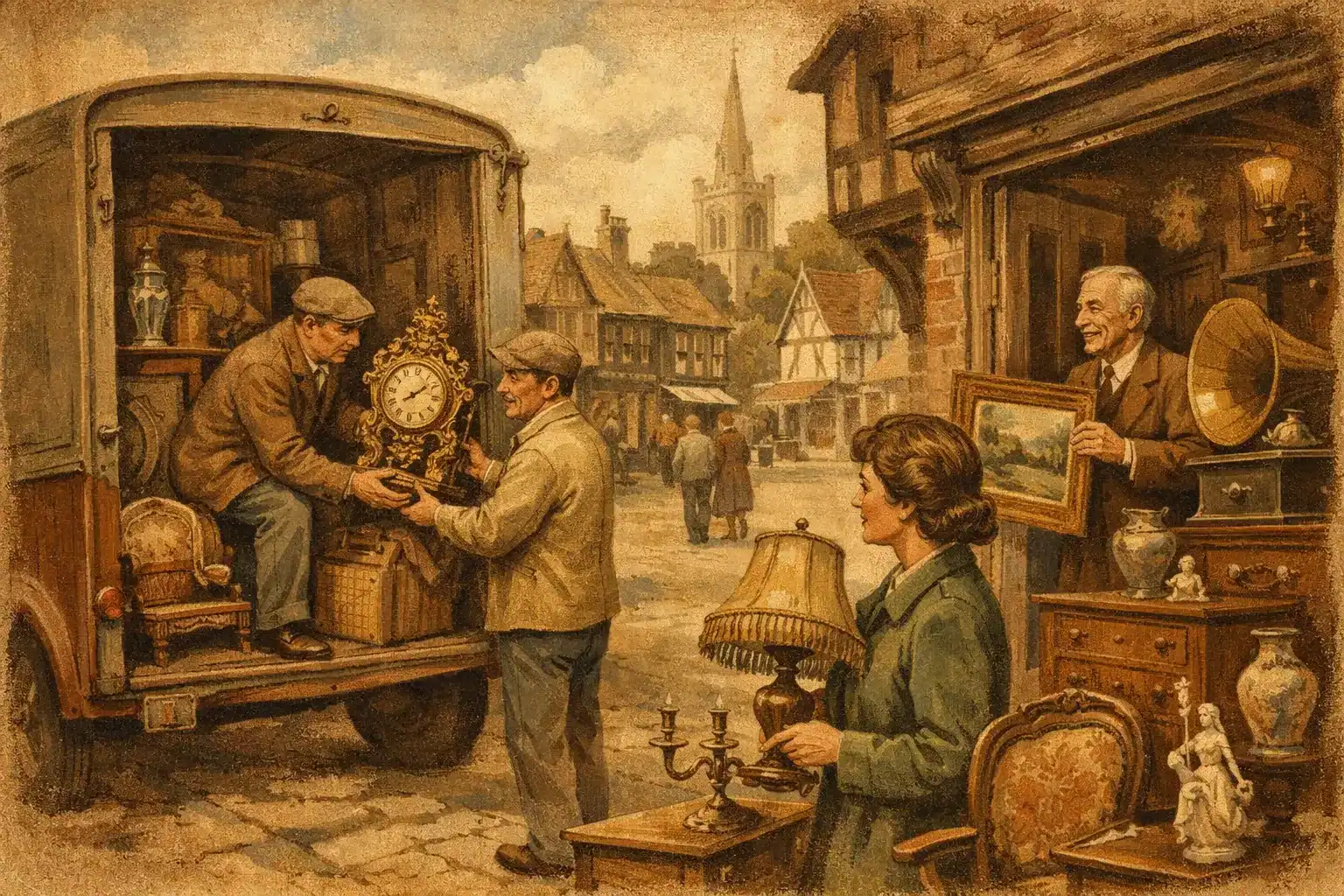
For buyers seeking antique furniture in Stevenage or visiting a vintage shop in Hertfordshire, working with a curated dealer can make this process less daunting. The aim is not to turn every purchase into an academic exercise. It is to provide enough accurate information for a buyer to understand what they are bringing home, from its materials and era to its repairs and story.
Keep the story with the object
Once you have purchased a piece, preserve its provenance. Keep invoices, condition reports, old labels, correspondence and photographs together. If you restore or rewire an item, retain the work record and, where appropriate, the original components. This small habit adds clarity for future owners and may support value if you later decide to sell.
An antique earns its place in a home through more than proof and paperwork. It should be useful, beautiful or quietly intriguing every time you pass it. Provenance gives that connection greater depth: a way of seeing not only what an object is, but the craftsmanship, care and history that brought it to your room.