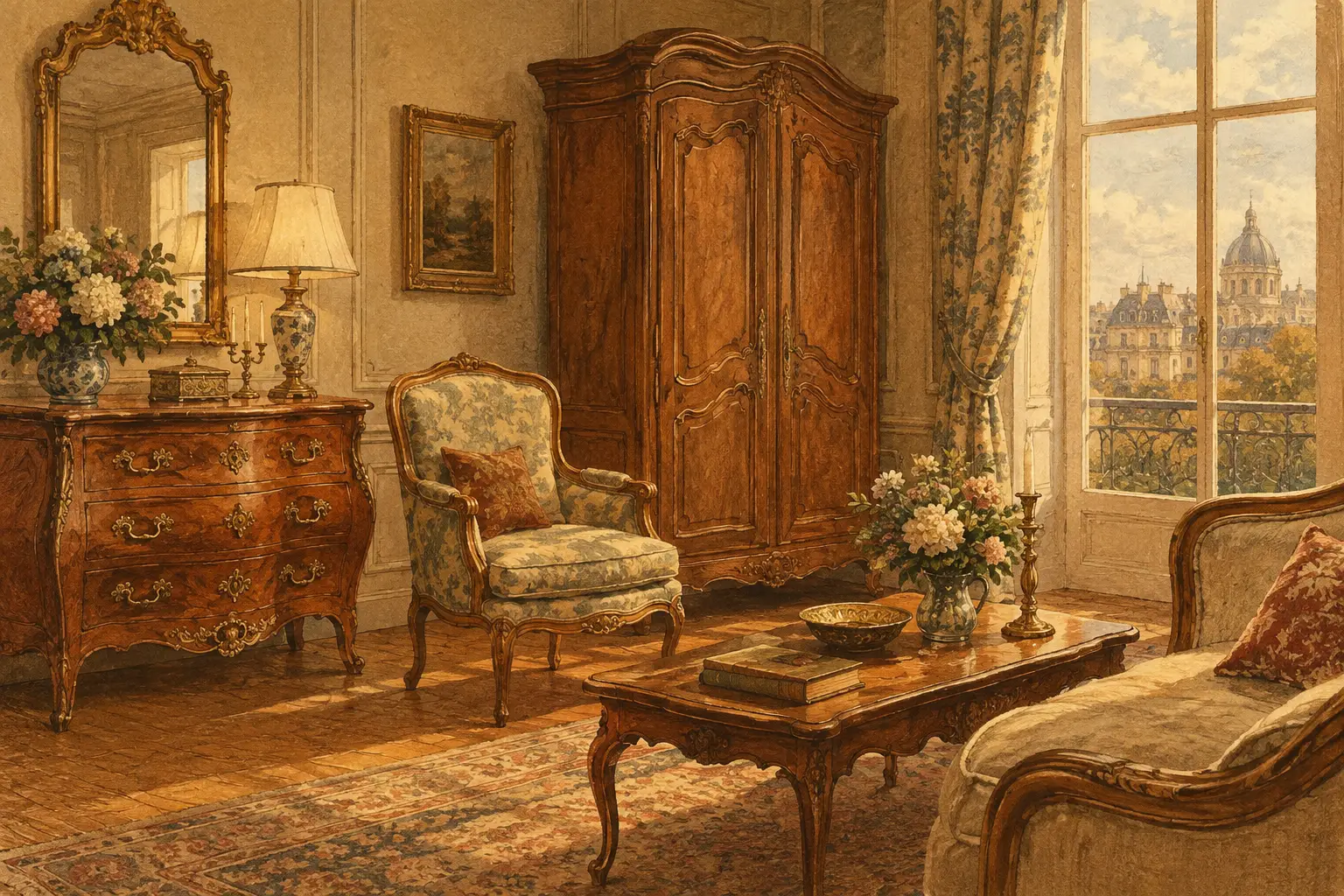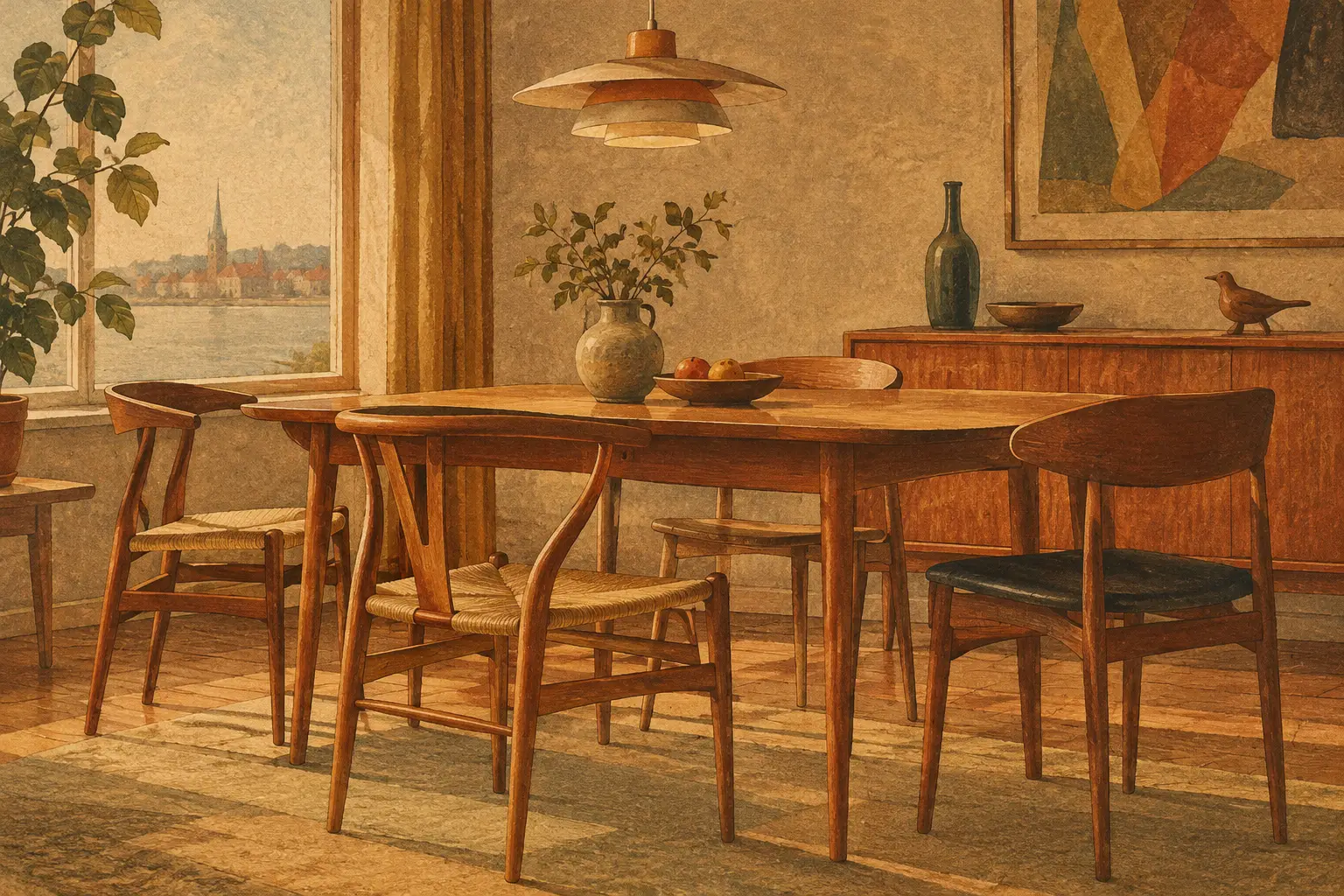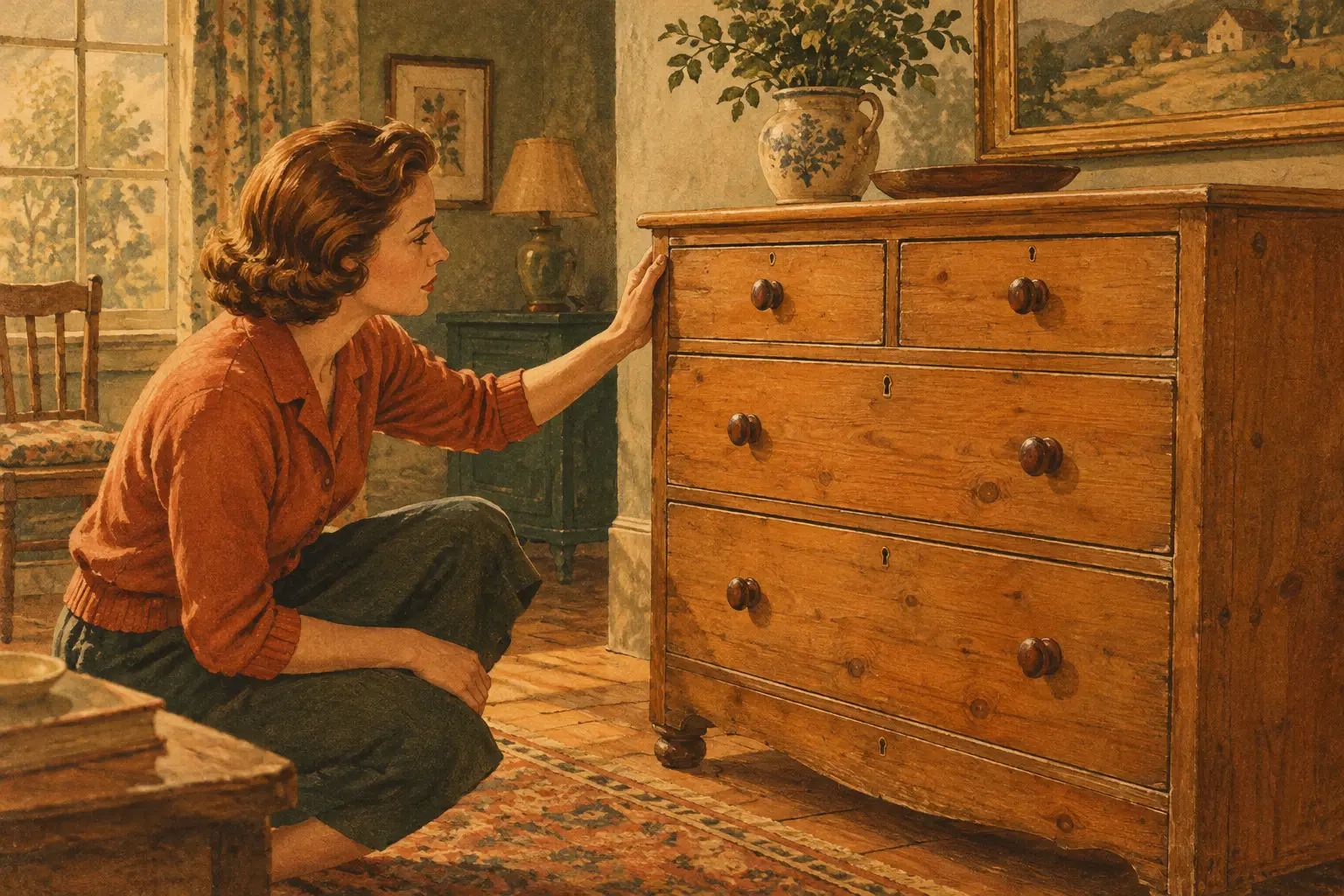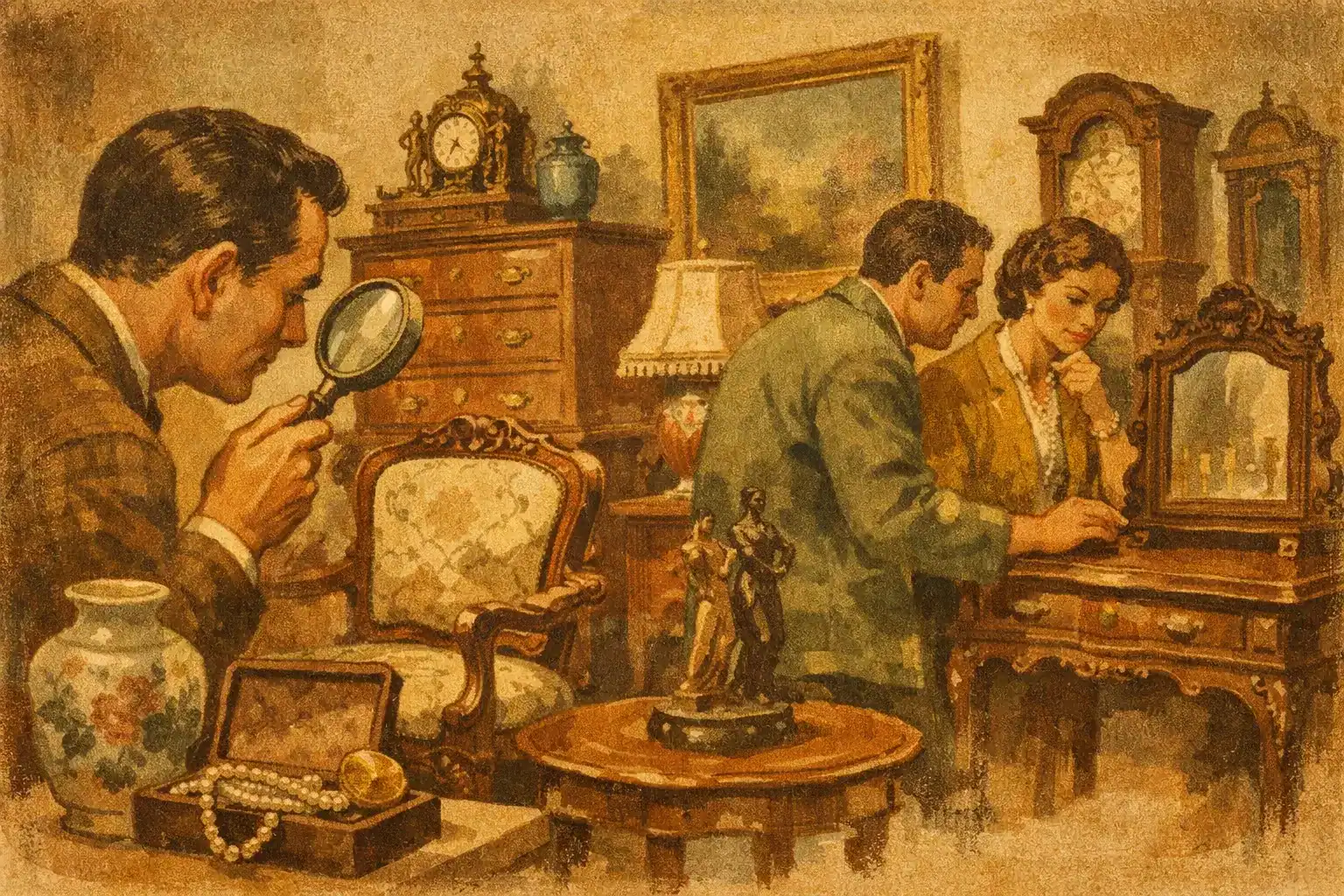
A hand-cut dovetail, a mellow patina on old oak, or the quiet weight of a solid mahogany drawer can make antique furniture feel inherently valuable. But is antique furniture valuable in financial terms as well as decorative ones? Sometimes, very much so. Just as often, the answer depends on details that are easy to miss: who made it, when it was made, how original it remains, and whether collectors are actively seeking that particular style.
For anyone furnishing with character, this is good news rather than a reason for caution. Value is not limited to auction-record masterpieces. A well-made antique can offer lasting utility, visual depth, and a connection to skilled workmanship that mass-produced furniture rarely matches. Knowing how value is assessed helps buyers choose pieces with both confidence and a story worth living with.
Is Antique Furniture Valuable Because It Is Old?
Age matters, but it is only one part of the picture. In the antiques trade, an item is generally considered antique when it is at least 100 years old. That definition does not automatically make every old chair, table, or chest rare or expensive. Large quantities of certain Victorian and early 20th-century furniture were made for practical domestic use, and changing tastes have softened demand for some heavier, more formal forms.
A 19th-century mahogany dining table may therefore be genuinely antique yet sell for less than a smaller, beautifully proportioned mid-century sideboard. The latter may be newer, but its clean lines, useful scale, and designer association can make it more desirable to today’s buyers.
Age does contribute something that cannot be reproduced convincingly: accumulated character. Original surfaces, hand-finished details, small signs of careful use, and time-softened materials can give an object a presence that supports its decorative appeal. Financial value, however, comes when age is joined by quality, scarcity, condition, and demand.
The Qualities That Give Antique Furniture Its Value
Craftsmanship and materials
Construction is often the first useful clue. Look inside drawers and beneath tabletops, not only at the showy front. Solid hardwoods, hand-cut dovetails, well-fitted joints, carved detail, quality veneers, and substantial hardware all suggest a higher standard of making. Earlier furniture was often made in smaller workshops or by cabinetmakers who expected it to be repaired and used over generations.
Materials matter too. Mahogany, walnut, oak, rosewood, satinwood, and figured burr veneers can all be desirable, especially when their surfaces are original and well preserved. Fine timber alone is not a guarantee of high value, but it is a meaningful part of the equation.
Maker, period, and style
Furniture with a known maker or documented workshop can command a premium, particularly when the name has an established following. English cabinetmakers, Arts and Crafts workshops, Scandinavian modern designers, and recognized American makers all have collector interest in different markets.
Period and style influence demand just as strongly. Georgian furniture, Arts and Crafts pieces, Art Deco forms, and well-designed mid-century furniture each appeal to different buyers. At present, pieces that sit comfortably in real homes tend to have an advantage. A compact chest, sculptural occasional chair, or useful console table may attract more interest than a large matching suite that requires a formal room.
Rarity and design distinction
Rarity should not be confused with obscurity. A piece can be uncommon because few were made, because few survived, or because it has an unusual design feature. Yet a rare object without a strong maker, handsome form, or practical use may have a limited audience.
The most compelling pieces bring several qualities together. Consider a modestly sized Arts and Crafts cabinet with original hardware, excellent joinery, and a clean silhouette. It may not be rare in the strictest sense, but it has enough design distinction and usability to feel relevant in a contemporary interior.
Provenance and documentation
Provenance is the recorded history of ownership, origin, or exhibition. It can transform how a piece is understood, especially for furniture associated with a notable maker, house, collection, or historical period. Old invoices, labels, photographs, inventory marks, and family records can all be helpful.
Documentation should be treated carefully. A label may be significant, but labels can be lost, moved, or copied. A confident dealer description explains what is known, what is attributed, and where uncertainty remains. That clarity is more valuable than an impressive claim without evidence.
Condition and originality
Condition has a direct effect on value, but perfection is not always the goal. Antique furniture was made to be used, so a gentle mark on a tabletop or a little wear to a brass handle is often part of its honest history. Buyers frequently prefer an original surface with appropriate age over an over-restored finish that has lost all character.
More serious issues deserve closer attention: active woodworm, structural movement, missing veneer, deep water damage, replaced elements, or unstable joints. These do not necessarily make a piece worthless. They do affect the cost of ownership and should be reflected in the price.
Restoration Can Help or Hurt Value
A thoughtful repair can extend the life of a beautiful object. Regluing a loose chair joint, repairing a drawer runner, or retaining a fragile veneer edge can make furniture safe and practical without compromising its integrity. Restoration is especially worthwhile when it is sympathetic to the period and preserves original materials wherever possible.
Problems arise when restoration becomes reinvention. Stripping an old finish, replacing original handles with modern ones, sanding away patina, or painting a well-preserved period piece can reduce collector value. There are exceptions. A heavily damaged, low-value item may be a sensible candidate for decorative adaptation, while an important piece deserves a more conservative approach.
Before making permanent changes, ask whether the furniture’s original finish, fittings, and form are central to its appeal. If the answer is yes, restraint usually serves both the object and its long-term value.
Why Market Demand Matters So Much
The antiques market is not fixed. Fashion, room sizes, lifestyle changes, and design trends shape what people buy. For years, large brown furniture has faced a softer market in many areas, partly because modern homes often have less space and buyers favor flexible, individually chosen pieces over full dining or bedroom sets.
That does not mean traditional furniture has no place. A finely made Georgian side table or a carved oak cupboard can look exceptional when mixed with contemporary art, vintage lighting, and simpler upholstery. The strongest pieces tend to outlast narrow trends because their proportions, materials, and craftsmanship remain convincing.
Mid-century furniture offers a useful contrast. Certain pieces may be less than 100 years old but highly collectible because of their designers, limited production, and continued relevance. Value follows cultural interest as much as age. This is why a careful eye for design can be as useful as a date stamp.
How to Assess an Antique Piece Before You Buy or Sell
Start with the practical question: would someone want this object in their home now? Scale, function, condition, and visual presence all matter. Then examine the construction closely. Open drawers, inspect the back and underside, and look for signs of good materials, age-appropriate joints, old repairs, labels, or maker’s marks.
It is also worth separating insurance value from resale value. Insurance valuations often reflect the cost of replacing an item through the trade, while auction or private-sale prices reflect what buyers are willing to pay in a particular market. These figures can differ considerably.
For a potentially important item, professional appraisal is sensible. Clear photographs of every side, dimensions, close-ups of hardware and joints, and any provenance documents will help an appraiser or experienced dealer form a more accurate opinion. Avoid relying on one online listing alone. Asking prices are not proof of completed sales.
Buying for Value Beyond the Price Tag
The best antique furniture purchases are rarely made only as investments. Buy a piece because its quality is evident, its proportions work in your home, and its history adds something to the room. A repaired oak farmhouse table that becomes the center of daily meals may be more valuable to its owner than a fashionable object kept out of use.
At MN Interior Antiques, curation begins with this balance of character, craftsmanship, and decorative purpose. A distinctive piece should earn its place through more than age alone. It should have a story to tell and the presence to keep telling it for years to come.
When you find furniture with honest condition, strong construction, and a design you genuinely respond to, value becomes more than a figure on a receipt. It becomes the pleasure of living alongside an object that has already proved it can endure.