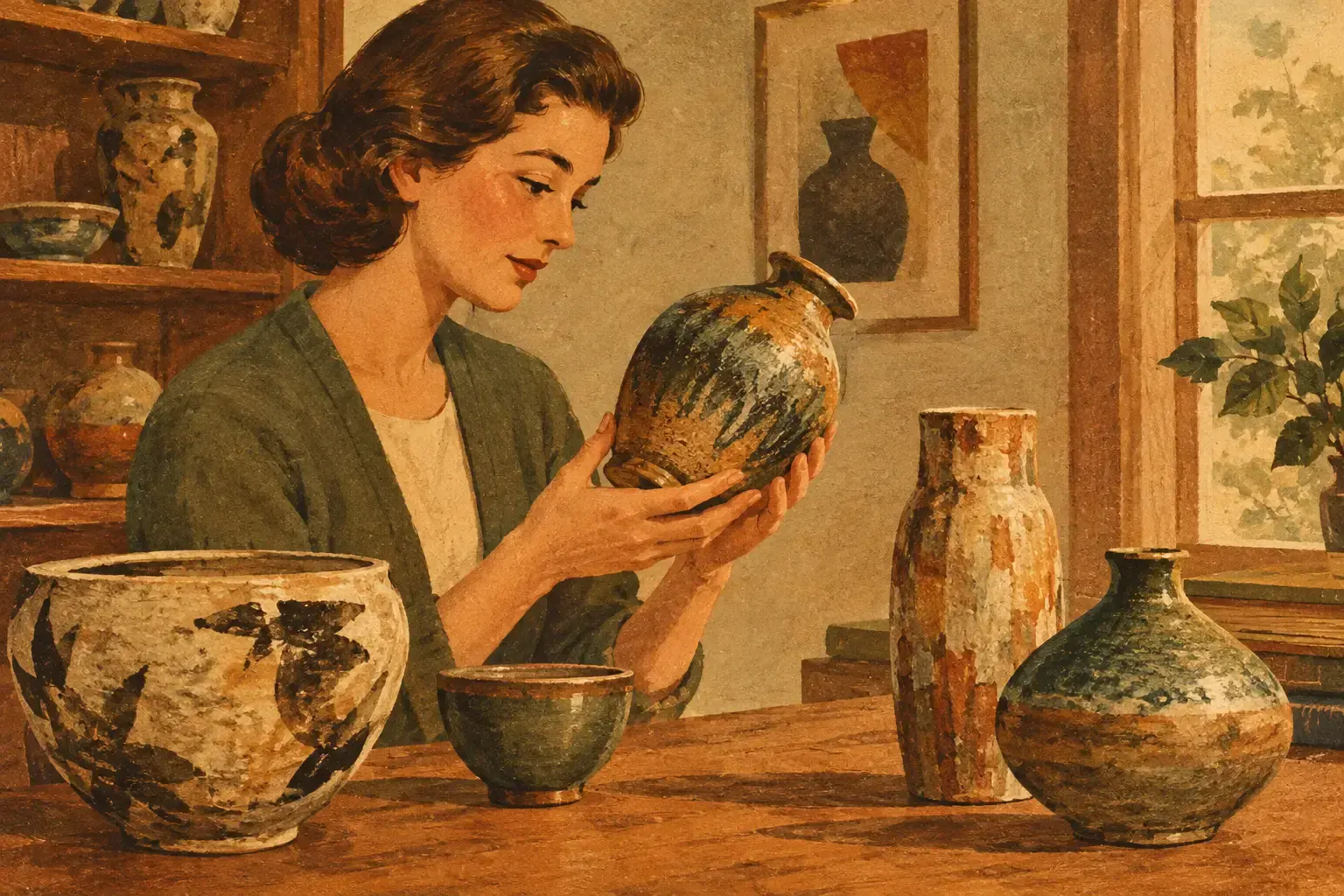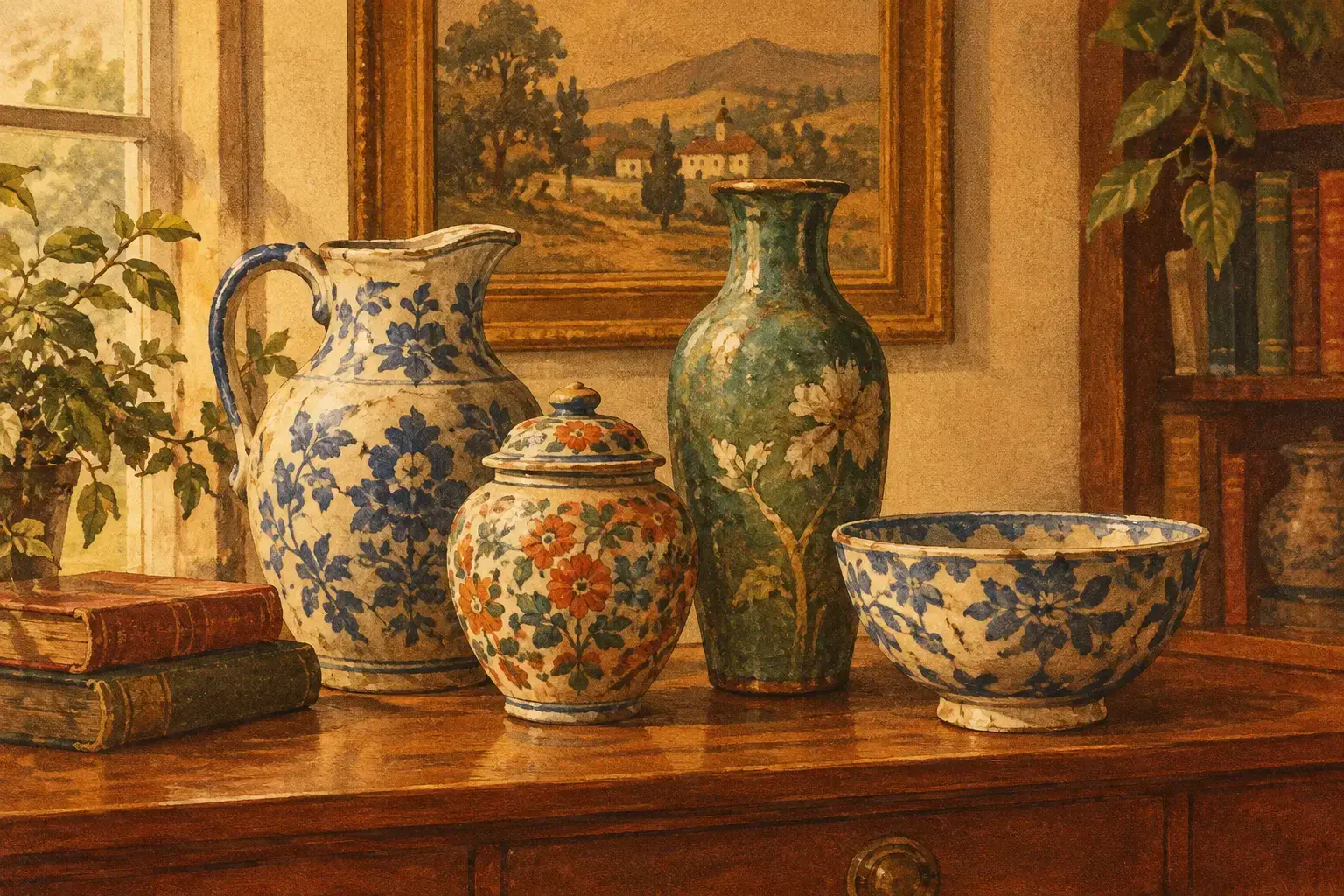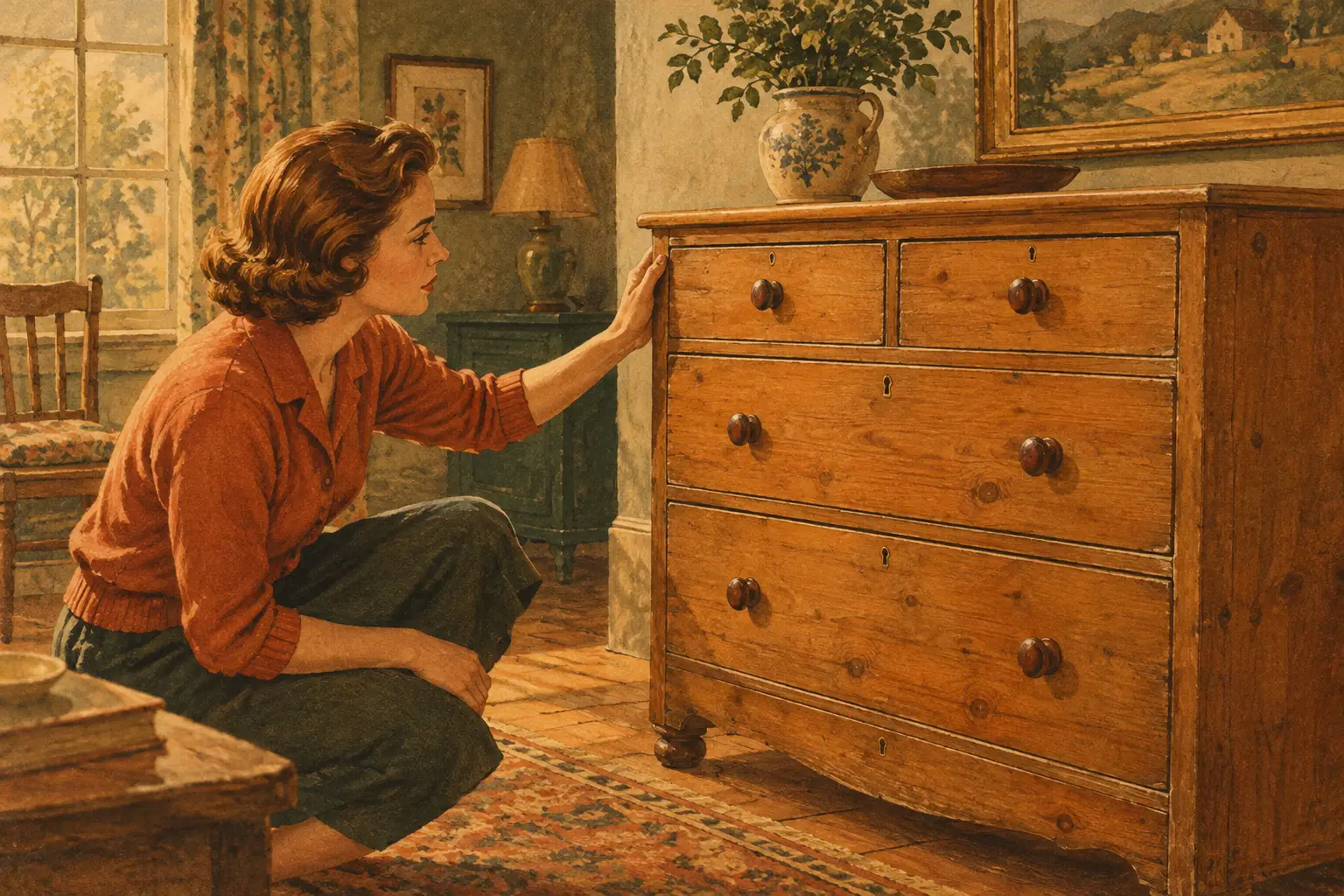
A well-chosen antique pine dresser changes the temperature of a room. Its softened timber, practical drawers and open shelving bring a sense of use and continuity that new furniture rarely achieves. Whether it stands in a country kitchen, a Victorian terrace dining room or a more pared-back contemporary space, it offers both storage and a quietly persuasive focal point.
Unlike a decorative cabinet bought to fill a gap, a genuine older dresser was made for daily work. Plates were stacked, linens folded, pantry goods kept close at hand and household objects displayed above. That history is visible in the details: a wax-darkened top, a slight dip around a drawer pull, old repairs that have become part of the piece’s character. The right example should feel useful as well as beautiful.
What Makes an Antique Pine Dresser Worth Buying?
Pine has often been treated as the humble cousin of oak or mahogany, yet that is precisely part of its appeal. It was widely available, relatively easy to work and used by regional makers for country furniture from the late 18th century onwards. A pine dresser may not announce itself with expensive timber, but its construction can reveal a great deal of skill.
Look first at proportion. Traditional dressers commonly have a lower base with drawers or cupboard doors and a raised rack above, designed for plates, jugs and everyday pottery. Some are compact cottage pieces, while others are broad, commanding forms intended for a farmhouse kitchen. Their scale varies considerably, so measure not only the wall but also doorways, turns on staircases and the clearance required to open drawers or cupboards comfortably.
Age is not the only measure of value. A 19th-century pine dresser with strong proportions, honest wear and original details can be more compelling in a home than an earlier piece that has been heavily altered. Equally, a well-made early 20th-century example can be an excellent choice where budget, size or a less formal look matters. The aim is not to acquire the oldest object available. It is to find a piece with integrity.
Read the Construction Before the Finish
Hand-cut or early machine-cut dovetails, thick drawer sides, pegged joints and unevenly planed surfaces are useful clues when assessing an older dresser. Drawer bottoms set into grooves, rather than thin modern board fixed beneath, are another promising sign. Original boards will often vary slightly in width and show knots, grain movement and small irregularities that a uniform modern finish tends to conceal.
Do not judge pine solely by its colour. A deep orange varnish or a flat, pale stripped surface can obscure the timber’s natural warmth. Many pieces have been refinished during their lifetime, and this does not automatically rule them out. What matters is whether stripping has erased crisp edges, tool marks and the gentle build-up of patina that gives antique pine its depth.
A sympathetic waxed or lightly oiled finish usually allows the grain to breathe visually. It should not look plastic, excessively glossy or artificially distressed. Pine darkens with exposure to light and use, often developing a mellow honey, tobacco or golden-brown tone. This variation is part of the material’s charm, particularly beside painted walls, linen textiles and hand-thrown ceramics.
Condition: Character, Repairs and Red Flags
An antique dresser need not be immaculate. Small shrinkage splits, old woodworm holes that are inactive, marks to the top and minor evidence of historic repair are normal for furniture that may have served a household for well over a century. In fact, a few signs of age are often preferable to an over-restored surface that has lost its visual authority.
The distinction is between stable character and structural trouble. Check that the dresser sits firmly without excessive rocking, that shelves are not bowing under their own weight and that drawer runners have not worn so far that the drawers jam or drop. Open every drawer and cupboard. A little resistance is common in old furniture, especially in changing temperatures, but pronounced distortion, persistent damp smells or fresh-looking insect dust deserve further investigation.
Repairs can add to a piece’s story when they are honest and competently carried out. A neatly inserted patch, a replaced knob in keeping with the period or strengthened drawer runners may extend the useful life of a dresser without compromising its appeal. Replacement backs, shelves and cornice mouldings are more significant, especially where they alter the original silhouette. They should be reflected in the description and price.
Be wary of dressers assembled from unrelated old timber or made to imitate an earlier country form. Reproduction furniture can be attractive and useful, but it should be represented clearly as such. A knowledgeable dealer will be direct about what is original, what has been restored and where an item sits in date and style. That clarity allows you to buy for the right reasons.
Choosing the Right Antique Pine Dresser for Your Room
The familiar farmhouse kitchen is an obvious setting, but it is far from the only one. In a dining room, a dresser gives everyday glassware and serving pieces a proper home while leaving favourite ceramics on view. In a sitting room, a smaller glazed or open-rack example can hold books, collected objects and a lamp, bringing useful structure to a long wall. Even a generous hallway can benefit from the storage of a low dresser base, provided the passage remains clear.
Consider the visual weight of the room before choosing a tall rack. A large, dark dresser can be magnificent beneath a high ceiling, beside wide floorboards or against limewashed walls. In a compact room, a lower Welsh dresser or narrow plate rack may offer the same character without dominating the space. Open shelves create display opportunities, but they also ask for a degree of editing. A few well-chosen plates, a jug, framed artwork and a small lamp will usually look more considered than tightly packed rows of objects.
Pine is unusually adaptable alongside other periods. It can soften the clean lines of mid-century furniture, lend warmth to a painted Georgian scheme or provide a textural counterpoint to industrial metal lighting. Pair it with antique ceramics, a simple linen runner or a piece of vintage lighting rather than trying to recreate a complete period room. The most convincing interiors tend to combine objects that share material honesty, not necessarily the same date.
Practical Details That Matter Every Day
Before committing, establish how you intend to use the dresser. If it will hold heavy dinnerware, confirm that the shelves are sound and deep enough for modern plates. If it is destined for a kitchen, allow for heat, splashes and the natural movement of timber. Pine is forgiving, but it benefits from sensible placement away from a radiator, persistent direct sunlight and sources of standing water.
A dresser with doors can hide the practical clutter of table linens and serving ware; an open form makes it easier to enjoy a collection. Drawers are invaluable for cutlery and candles, but their internal dimensions can be shallower than expected. These are modest considerations, yet they often determine whether a piece becomes part of everyday life or merely a handsome background.
Caring for Old Pine Without Overdoing It
Old pine does not need constant intervention. Dust with a soft, dry cloth and avoid aerosol polishes, silicone sprays and harsh household cleaners, which can leave residue or create a shine at odds with the original surface. If the finish looks dry, use a suitable furniture wax sparingly and buff gently after it has settled. Too much wax attracts dust and can cloud the grain.
Keep the room’s conditions reasonably stable where possible. Central heating and winter dryness may cause small seasonal movement, while damp can encourage drawers to swell. A faint old-furniture scent is not unusual, but a strong musty smell may indicate that the piece has been stored in unsuitable conditions. Good ventilation and careful placement are kinder remedies than aggressive chemical treatment.
An antique pine dresser is at its best when it is allowed to work. Put your everyday plates on the rack, keep a useful stack of linens in the drawers and let the top collect a few objects that matter to you. For buyers seeking curated antiques with a story to tell, MN Interior Antiques values the sort of furniture that becomes more individual through use, not less.