A walnut chest in the hallway, a carved side table from a grandparent, a chair that looks older than anything else in the room – these are the pieces that prompt the question: how do I know if my antique furniture is valuable? The short answer is that value sits at the intersection of age, authenticity, craftsmanship, condition, rarity, and current demand. The longer answer is more useful, because antique furniture can be historically interesting without being especially valuable, while some quieter pieces command strong prices because they fit exactly what collectors and decorators are looking for.
If you are trying to assess a piece at home, it helps to look at it the way a good dealer would. Not just as furniture, but as an object with a date, a maker, a material story, and a place in the market.
How do I know if my antique furniture is valuable at first glance?
The first test is not age alone. Many people assume old equals valuable, but plenty of 19th-century and early 20th-century furniture survives in large numbers. A Victorian dining chair may be genuinely antique and still have modest resale value because supply is high and demand is selective.
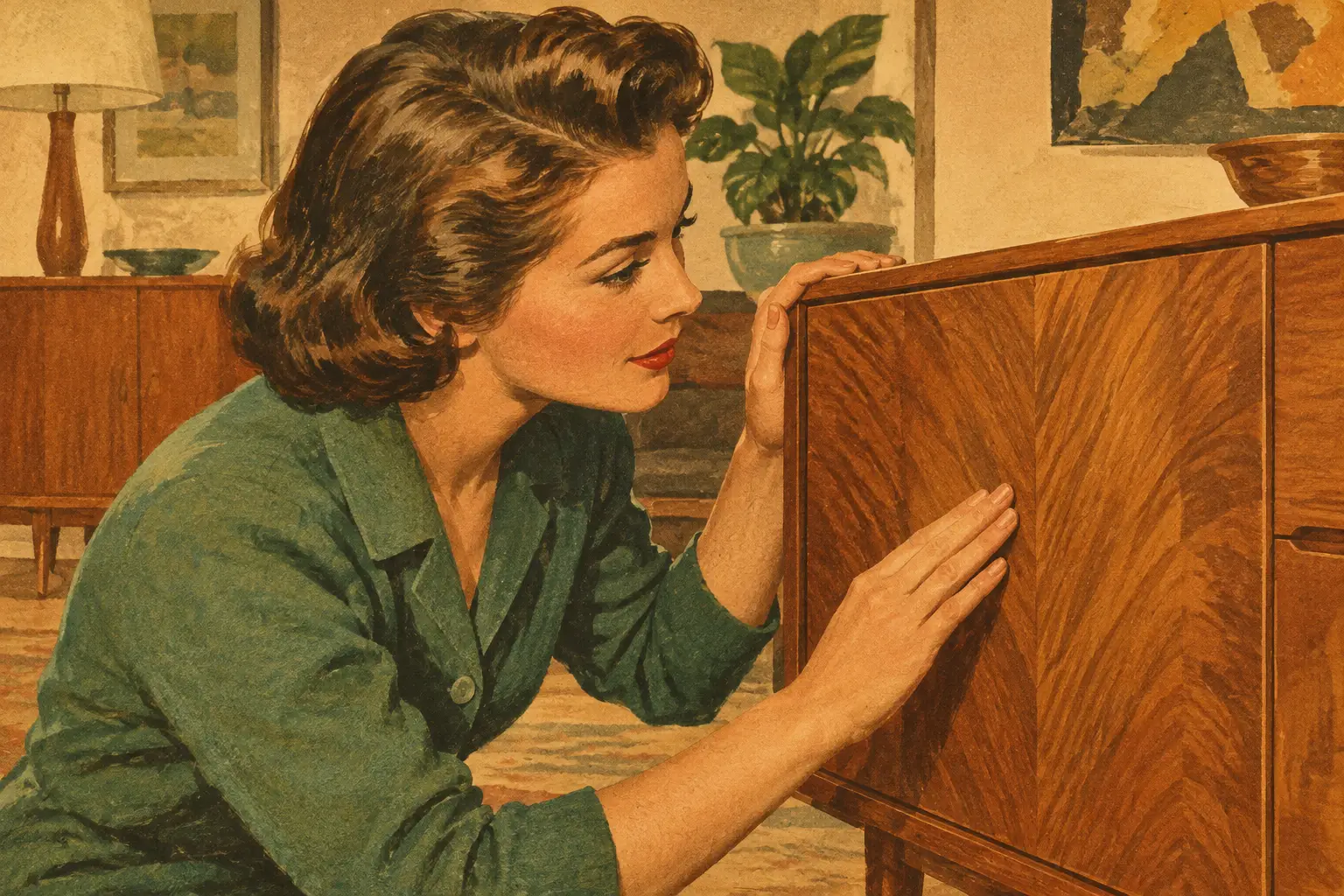
What catches attention first is quality. Look for solid timber rather than later veneers over cheaper boards, hand-cut dovetails rather than machine-perfect joints, pleasing proportions, and signs that the piece was made with skill rather than speed. Well-chosen woods such as mahogany, walnut, oak, rosewood, and fruitwood can point to stronger value, especially when the grain and finish are attractive.
Scale matters too. The market often favors pieces that work in modern interiors. A slim chest, a well-proportioned writing table, or a striking occasional cabinet may be easier to place than a massive wardrobe or heavy sideboard. Decorative usefulness has a real effect on price.
Age matters, but not in the way people think
Antique furniture is often loosely described as anything around 100 years old or more, but the market is more nuanced than that. An 18th-century piece can be valuable because of scarcity, craftsmanship, and historical importance. A mid-century design from the 1950s or 1960s may be younger yet worth more because collectors actively seek it out.
That is why dating a piece accurately matters. Construction details offer clues. Hand-cut dovetails are usually irregular. Early drawer bottoms and backs may show tool marks. Pegged joints, old saw marks, and natural wear in the right places can support age. By contrast, uniform machine cuts, modern screws, plywood panels, and overly fresh surfaces can suggest later manufacture or heavy alteration.
Still, age without desirability does not guarantee value. The strongest prices usually come when age is paired with design quality and market appeal.
Maker, origin, and provenance can change everything
A known maker can transform a good piece into a sought-after one. Furniture stamped or labeled by a respected cabinetmaker, retailer, or workshop often commands more because attribution gives buyers confidence. English, French, Scandinavian, and American furniture all have collectible subcategories, and within those, certain makers and regional schools carry more weight.
Provenance also matters. If a piece came from a notable house, an important collection, or has paperwork linking it to a designer or period interior, that story can add meaningful value. Even a simple old invoice, auction tag, or family record can help support authenticity.
This does not mean every unstamped piece is less important. Much antique furniture was made by highly skilled craftsmen whose names are now lost. But documented origin gives the market something concrete to trust.
Condition is critical, and originality counts
Condition is one of the biggest factors in answering how do I know if my antique furniture is valuable. Collectors and dealers do not expect perfection. Honest wear is part of an antique’s character. A worn edge, a softened polish, or minor marks from use can be entirely acceptable, even desirable.
What hurts value is damage that affects structure, appearance, or authenticity. Woodworm, replaced feet, warped tops, split panels, major veneer loss, and crude repairs can all reduce price. Heavy stripping and refinishing often do the same, particularly when they erase original patina. Antique furniture tends to be worth more when it retains its surface, handles, locks, escutcheons, and internal fittings.
That said, restoration is not always a negative. Sensitive restoration by someone who understands period furniture can preserve both beauty and value. The key is whether the work respects the piece or remakes it into something flatter and less convincing.
Rarity helps, but demand decides the market
People often focus on rarity as if it were the whole story. It is only part of it. A rare form that few people want may still be difficult to sell. A less rare but highly usable and visually appealing piece can perform much better.
Current demand tends to favor furniture with strong lines, good materials, and versatility in contemporary homes. Georgian chests, campaign furniture, sculptural mid-century storage, primitive tables, unusual folk pieces, and decorative cabinets can all attract attention because they offer both function and character. Oversized brown furniture, even when well made, may face a slower market if buyers lack the space or decorating appetite for it.
This is where an editorial eye matters. Value is not just about textbook significance. It is also about whether the piece feels relevant now.
Signs your antique furniture may be worth more than expected
Some details deserve a closer look because they often point to stronger value. Fine inlay, exceptional carving, original painted or japanned decoration, unusual timber choice, or a particularly elegant silhouette can all elevate a piece. So can a form that is less commonly found, such as a miniature chest, a library table with good scale, or a cabinet with intact interior fittings.
Hardware is another clue. Original brass pulls, locks, castors, and hinges help support authenticity. Replacements are common, but if the hardware matches the age and shows consistent wear, that is a good sign.
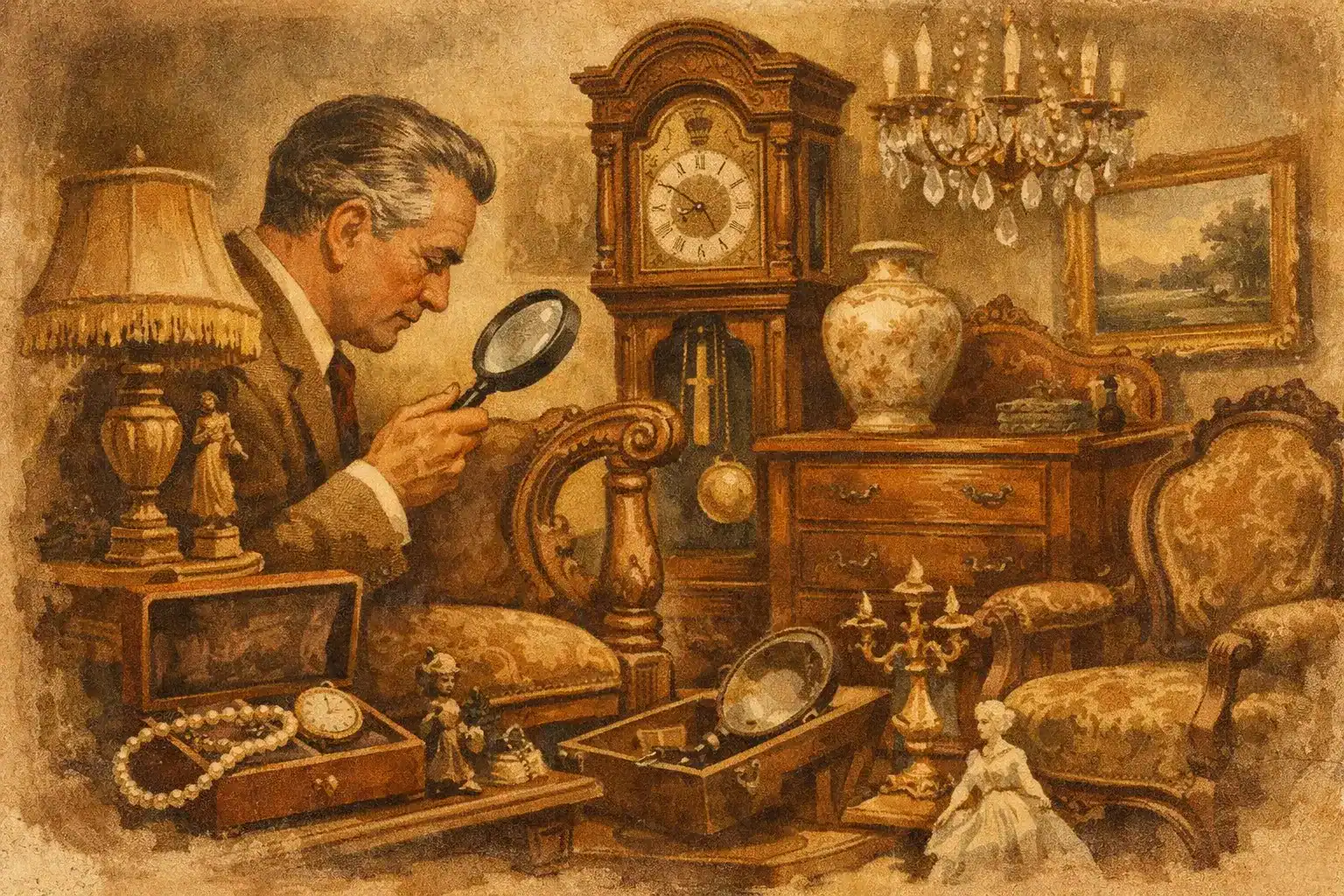
Look underneath and inside drawers as carefully as you look at the front. Buyers who know furniture always do. Interiors often reveal whether a piece is honestly old, later assembled, or significantly altered.
How to research value without guessing
Start by identifying what the piece actually is. Not just “old dresser,” but perhaps “late Georgian oak chest of drawers” or “mid-century walnut sideboard.” Era, material, country of origin, and form all matter.
Then compare it with sold prices, not just optimistic asking prices. Retail values, auction results, and dealer pricing can differ widely. A retail setting may reflect curation, restoration, photography, and the confidence of buying from a specialist. Auction prices may be lower, but they are useful for seeing what the trade and public are paying in real time.
Be careful with broad online searches. Similar-looking furniture can vary dramatically in quality. One mahogany table may be a refined early example; another may be a later reproduction with a fraction of the value. Small details make large differences.
If you are local to Hertfordshire or surrounding areas such as Stevenage or St Albans, an experienced antiques dealer can often spot those differences quickly, especially when they handle decorative interiors rather than general household goods.
When an appraisal or dealer opinion makes sense
If you suspect the piece is important, has a maker’s mark, or belongs to a desirable period, it is worth seeking a professional opinion. Good photographs help, but in-person assessment is often better because surface, timber, weight, repairs, and construction are easier to judge firsthand.
A dealer’s valuation and an insurance appraisal are not always the same thing. Insurance replacement value is often higher than what a piece might sell for privately or at auction. If your goal is resale, ask for a realistic market assessment.
You should also ask whether the piece is best suited to auction, private sale, or a specialist dealer. The right route depends on the type of furniture. A rare Arts and Crafts cabinet, for example, may need a more focused audience than a broadly decorative Victorian chest.
Common reasons people overestimate or underestimate value
Sentiment is the biggest reason for overestimation. Family history gives a piece emotional weight, but the market responds to category, condition, and desirability. Age is another common trap. Very old does not automatically mean expensive.
Underestimation happens when a piece looks plain at first glance. Some of the most valuable furniture is subtle: excellent timber, superb joinery, perfect proportions, untouched surface. To an untrained eye, it may look simply “nice.” To a collector, it may be exactly right.
This is why careful handling matters. Before stripping, repainting, replacing handles, or sending a piece off for aggressive restoration, pause. Once originality is lost, value can disappear with it.
A useful way to think about antique furniture is this: the best pieces earn their value twice. First in the workshop, through craftsmanship and material. Then again in the market, through relevance, rarity, and trust. If your furniture has both, it may be worth far more than you think. And if it does not, it can still deserve a place in your home for the same reason people seek antiques in the first place – character that newer furniture rarely manages to fake.