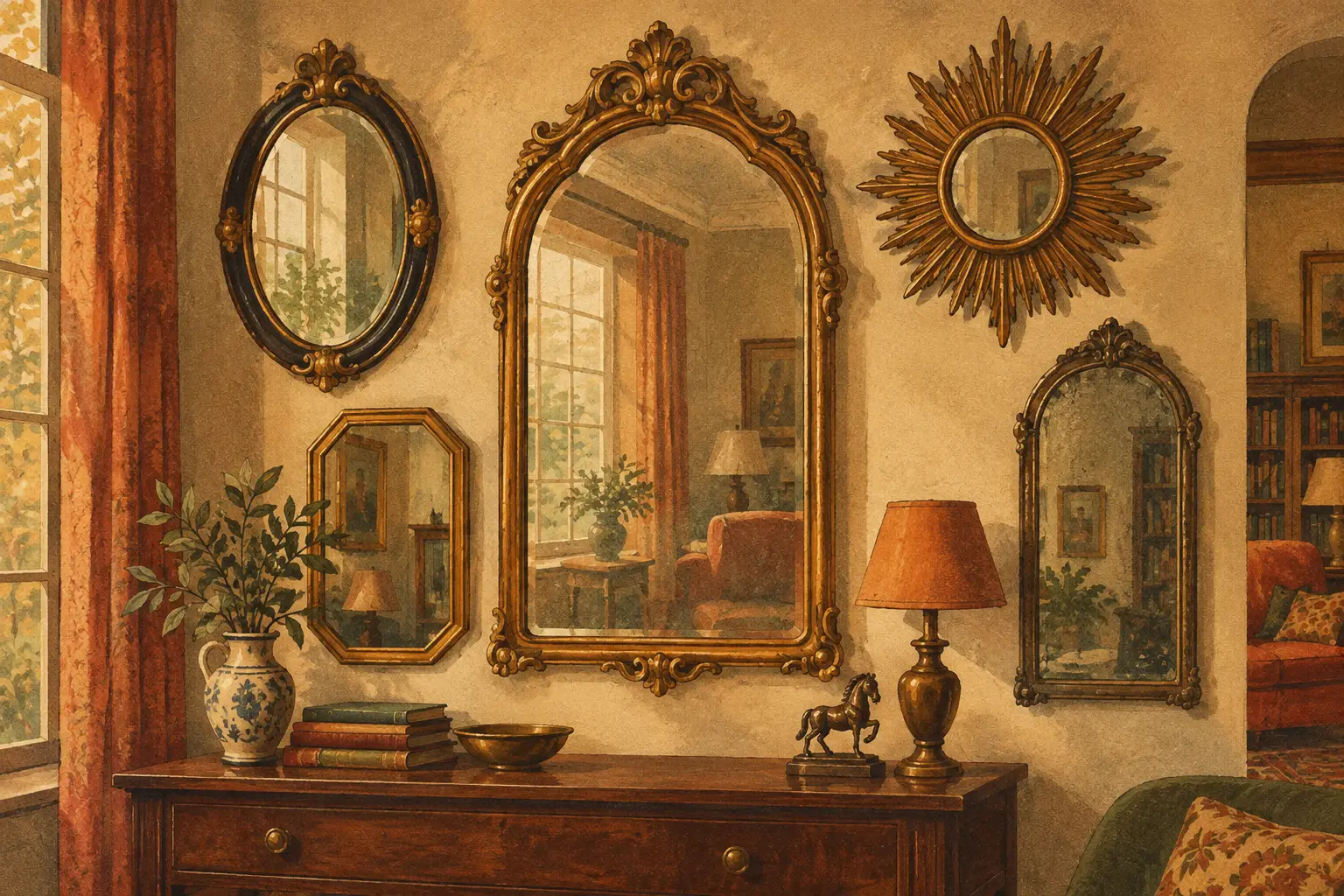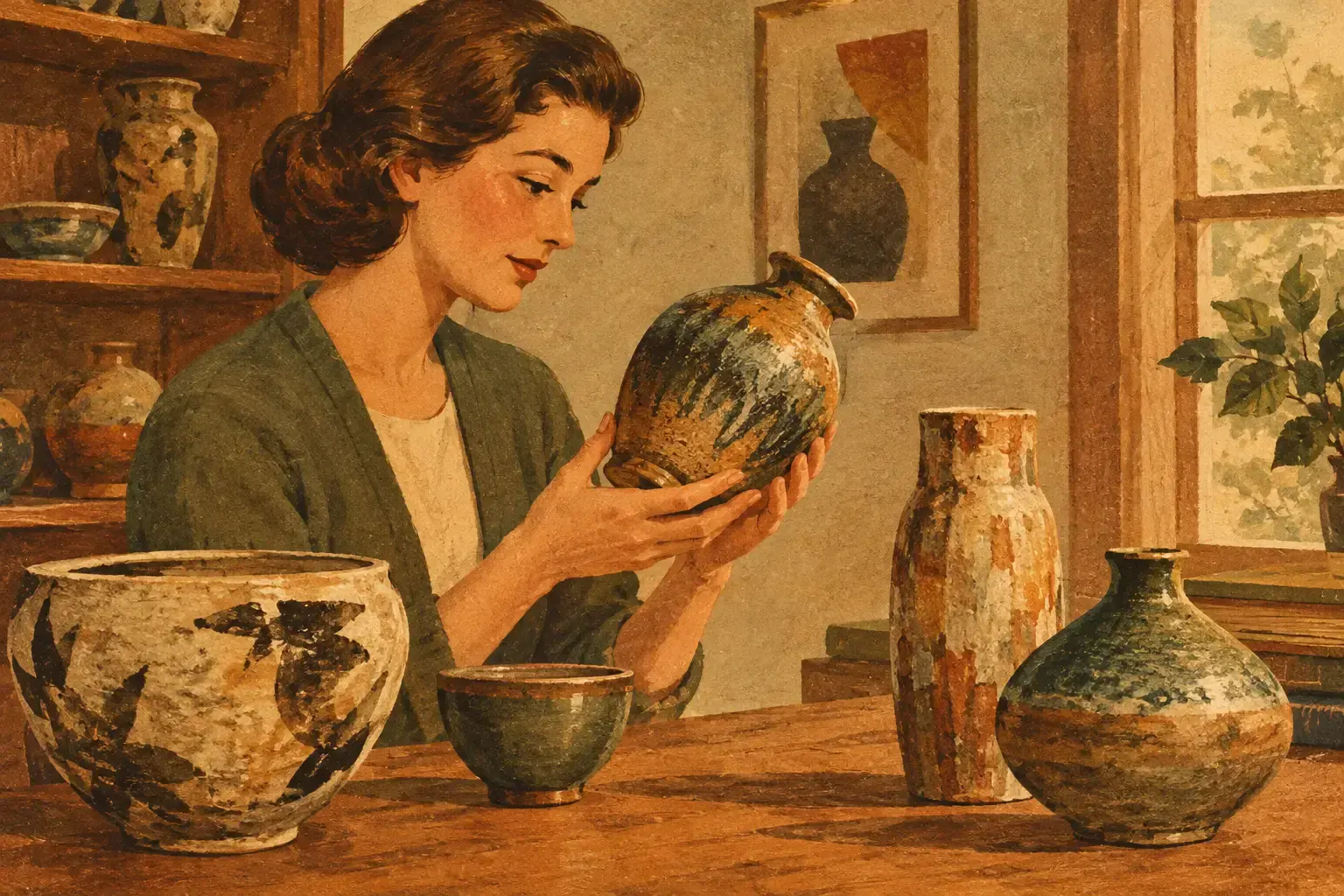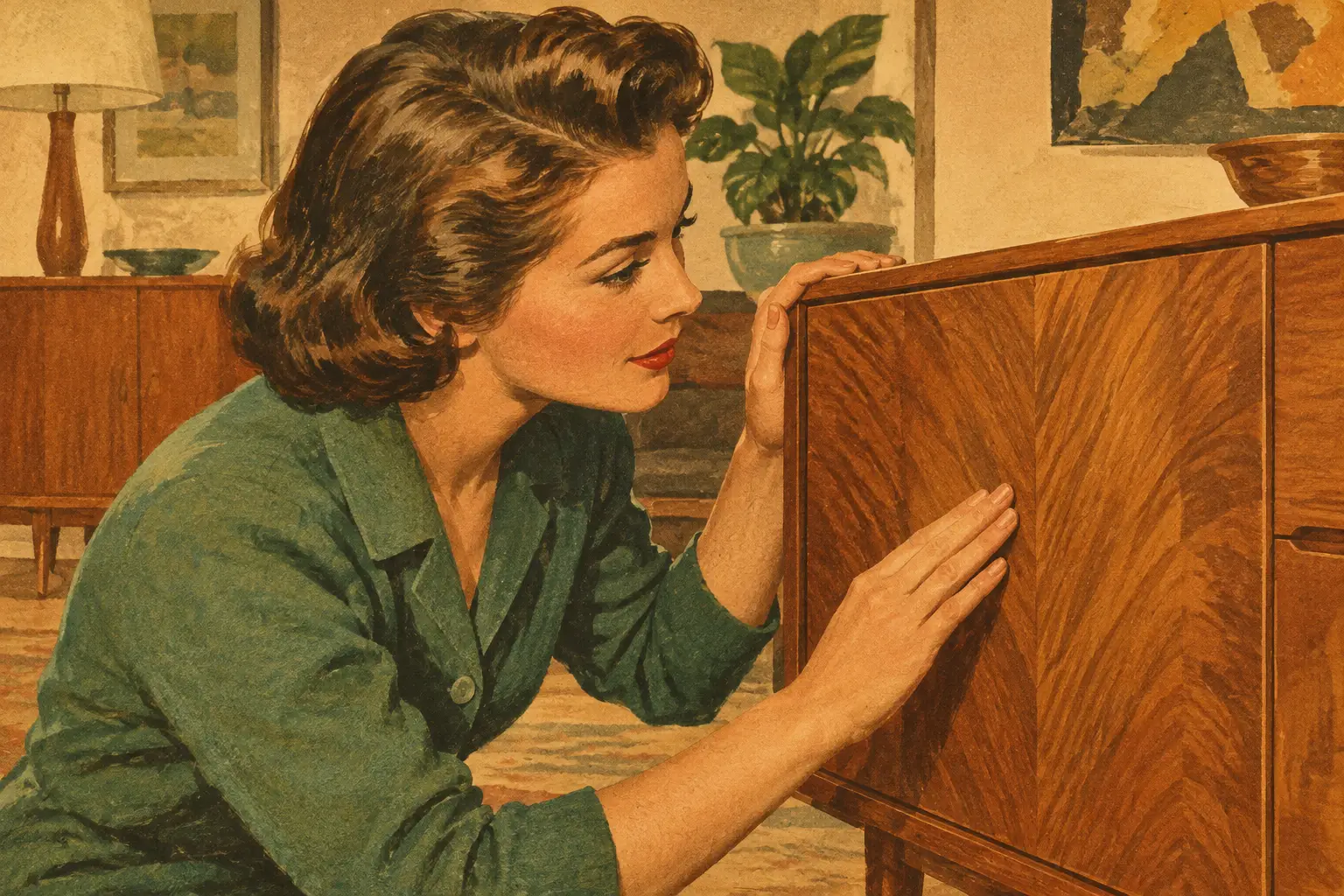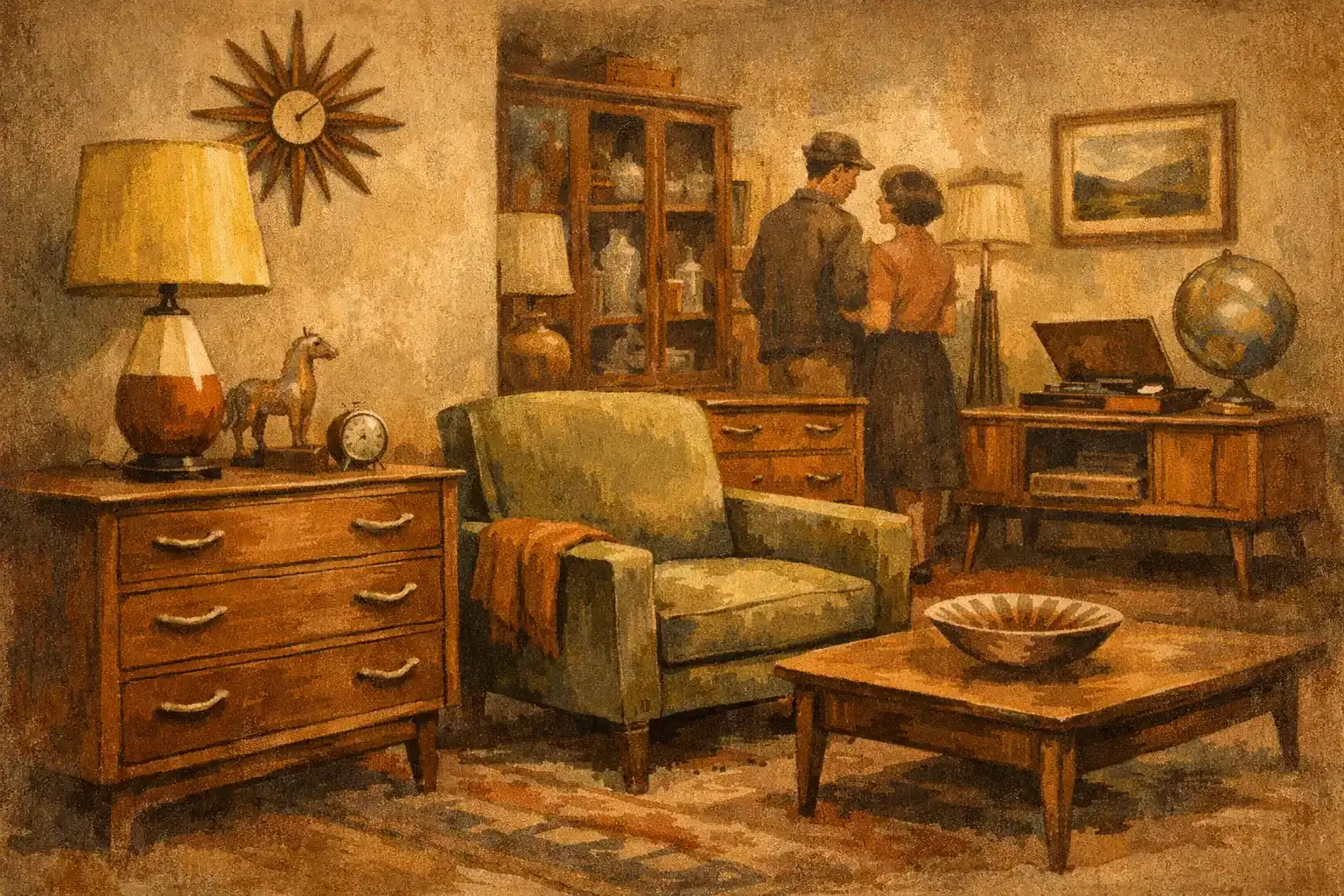
A well-proportioned teak sideboard, a time-softened farmhouse table or an elegant Victorian chest can change the feel of a room far more decisively than another layer of new accessories. The appeal of Hitchin vintage furniture lies in this sense of presence: pieces with useful lives behind them, made from honest materials and carrying the small marks that make a home feel assembled rather than bought all at once.
For homes across Hitchin and wider Hertfordshire, vintage and antique furniture offers an alternative to the predictable. It brings warmth to new-build spaces, depth to period properties and a welcome counterpoint to clean contemporary interiors. The right piece does not need to match every other item in the room. It simply needs good proportions, sound construction and a character that earns its place.
Why Hitchin vintage furniture feels at home
Hitchin has a natural affinity with furniture that has history. Its mix of older houses, converted spaces and carefully considered modern homes suits pieces that are individual without being overly formal. A Georgian oak occasional table can sit comfortably beside a modern sofa; a 1960s Danish-style cabinet can give a hallway order and visual calm; painted country furniture can bring life to a kitchen without making it feel themed.
The value is not only decorative. Older furniture was often built with repair in mind. Solid timber drawers can be eased back into service, quality brass fittings can be retained, and worn surfaces can be cleaned and conserved rather than replaced. This is a different proposition from furniture designed around a short trend or a limited lifespan.
That said, age alone is not a guarantee of quality. Some older pieces have been altered heavily, poorly repaired or refinished until their original appeal has disappeared. Buying well means looking beyond a fashionable label and assessing the object itself: its materials, scale, condition and usefulness in your own home.
Choose an era that suits your room
Vintage furniture is not one look. The most successful interiors usually borrow selectively from several periods, connected by colour, timber tone or silhouette rather than strict historical rules.
Mid-century furniture for clear, practical spaces
Mid-century furniture Hitchin buyers often seek includes teak sideboards, low cabinets, ladder-back chairs, compact desks and sculptural occasional tables. These pieces work particularly well in smaller rooms because their raised legs and clean lines allow more visual space around them. A carefully chosen sideboard also offers storage without the bulk of a large modern media unit.
Look for well-balanced proportions, properly aligned doors and drawers, and a veneer surface that has not been sanded through. Minor surface wear is normal and often preferable to a glossy, over-restored finish. Water rings, deep scratches and lifting veneer require a closer look, but they are not always deal-breakers if the price reflects the work needed.
Antique furniture for texture and permanence
Antique furniture can be more adaptable than its reputation suggests. A late Victorian pine cupboard may make a generous linen store in a bedroom. An oak gateleg table can serve as an occasional dining table in a compact house. A mahogany chest of drawers can bring formality to a plain room while still being completely useful every day.
The key is scale. Before falling for a piece, measure not just the space where it will stand but the route into the property, including stair turns, narrow hallways and doorways. Older furniture can be beautifully made and unexpectedly heavy. A piece that cannot get beyond the front hall is not a successful purchase.
Rustic and folk-influenced pieces for warmth
Painted cupboards, stools, benches and simple country tables introduce a more relaxed kind of age. Their appeal often comes from irregularity: a repaired edge, traces of earlier paint or a surface burnished by use. These pieces are particularly good in kitchens, boot rooms and informal dining areas, where a little wear feels appropriate rather than precious.
There is a trade-off. Rustic furniture can be less refined in construction and may have uneven surfaces or limited drawer action. It is best chosen for its atmosphere and practical purpose, not because it is expected to perform like new cabinetry.
How to assess vintage furniture before buying
A compelling photograph is a starting point, not the whole story. Condition descriptions should make clear where an item has wear, repair or restoration, especially with older timber, upholstery and electrical fittings. Honest presentation matters because patina and damage are not the same thing.
Begin with structure. A table should stand firmly without excessive movement, chairs should not wobble at the joints, and drawers should open without catching badly. Old drawers rarely glide like modern runners, but they should be usable. Check that doors sit sensibly within their frames and that handles, locks and catches are present or disclosed as replacements.
Then consider surfaces. Gentle fading, small dents and age-related marks are part of the appeal of a genuine vintage piece. Freshly stripped timber, thick varnish or an all-over painted finish may be exactly what you want, but it can also conceal loss of detail or earlier repairs. Ask whether restoration has been carried out and whether it has preserved the original material and finish where possible.
Finally, examine provenance and attribution with care. A maker’s mark, label or original trade stamp is valuable evidence, but not every worthwhile piece will have one. Equally, not every item described as “mid-century” was made by a celebrated designer. A knowledgeable dealer should distinguish between a named design, a period piece and a later item influenced by the same style.
Build a room around one memorable piece
A room full of vintage furniture can be wonderful, but it does not need to become a set. Often, one strong anchor piece is enough. Start with a sideboard in a dining room, a chest in a bedroom or a distinctive table in an entrance hall, then let newer, quieter pieces support it.
Contrast is useful. Pair a dark antique chest with pale walls and a simple lamp, or set a sleek teak cabinet against textured plaster and a woven rug. Vintage lighting Hertfordshire homes often favour can further define the mood, whether that means a coloured glass table lamp, a ceramic base or a restrained mid-century pendant. Light catches timber, glaze and metal differently through the day, giving older objects another layer of interest.
Decorative objects should feel collected, not crowded. A small group of West German pottery, antique ceramics or framed folk art can echo colours within the furniture without competing for attention. Leave enough empty surface around a well-made object to appreciate its shape and material.
Care that protects character
Most vintage furniture needs less intervention than owners expect. Keep timber away from persistent radiator heat and strong direct sunlight, which can dry joints and fade finishes unevenly. Use coasters under drinks, avoid silicone-heavy spray polishes and clean with a soft, barely damp cloth unless a specialist finish requires something else.
Waxed or oiled surfaces may benefit from occasional maintenance, but over-waxing attracts dust and can create a dull build-up. Upholstered pieces should be assessed individually, particularly if the fabric is original. A beautiful vintage chair may be structurally sound while its foam, webbing or upholstery needs renewal for everyday use. Reupholstery can make excellent sense, provided the frame and proportions justify the expense.
For electrical items, appearance is only one part of the decision. Vintage lamps should be checked, rewired where necessary and fitted with suitable components before regular use. Retaining an original shade or fitting can be desirable, but safety should never be treated as optional.
A considered way to buy vintage interiors in Hertfordshire
Buying from a curated antique shop Hertfordshire collectors and homeowners trust can remove much of the uncertainty. Good curation is not about presenting the largest possible volume of stock. It is about selecting furniture with decorative merit, clear condition information and enough quality to reward long-term ownership.
At MN Interior Antiques, the focus is on objects that bring a story, material interest and practical purpose to a room. Whether you are looking for a single mid-century cabinet, an antique table with a beautifully aged surface or vintage home décor to complete a scheme, allow the piece to lead rather than forcing it into a trend.
The best vintage furniture is not flawless, and that is precisely the point. Choose the chest whose timber has deepened with time, the chair whose shape still feels right, or the cabinet that solves a real storage problem. When a piece is useful, well made and genuinely pleasing to live with, its history becomes part of your own.