A good antique is rarely the piece that shouts loudest across a showroom. It is the oak chest with honest drawer wear, the well-proportioned Victorian chair, or the mid-century sideboard whose timber has developed a depth no factory finish can imitate. This Hitchin antique furniture guide is for buyers who want to bring that sense of history into a home, while choosing pieces that remain useful, stable and personal.
Hitchin homes offer plenty of scope for antiques, from period cottages and town-centre terraces to newer houses that need warmth and individuality. The strongest rooms are not dressed as period sets. They use furniture with age, craftsmanship and visual presence alongside the practical demands of modern life.
Start with the room, not the label
It is tempting to shop by era alone: Georgian, Victorian, Arts and Crafts, mid-century. These labels are useful, but they do not guarantee a piece will work in your space. Begin with proportion, purpose and material. Measure the available wall, the clearance needed for doors and drawers, and the route through which the piece must travel. A handsome oak cupboard is of little use if it overwhelms a narrow dining room or cannot pass the turn in a staircase.
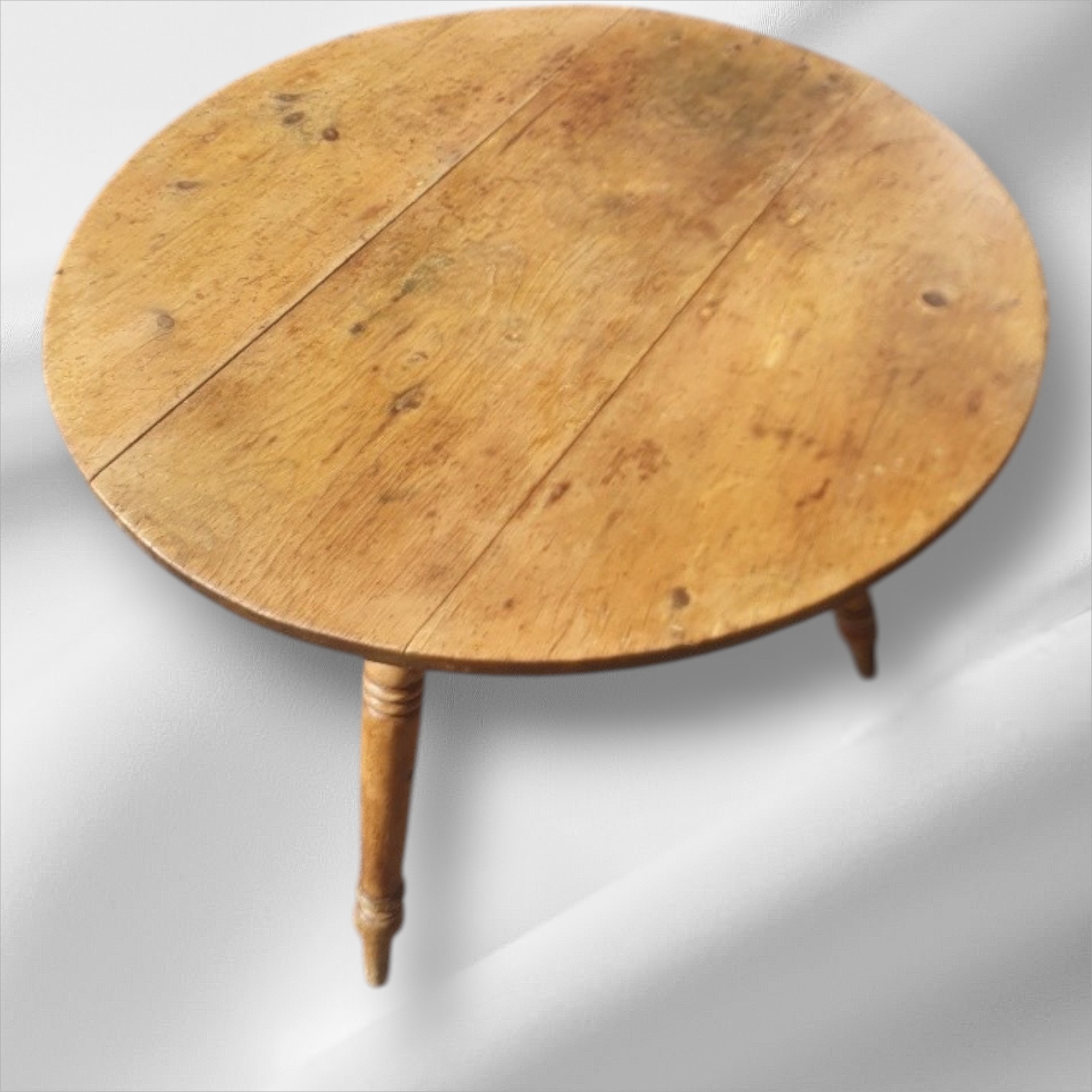
Think, too, about how you live. A fine early chest may suit a bedroom where it will be handled gently, while a solid Victorian pine table can take the everyday rhythm of family meals, homework and guests. Antique furniture earns its place when it is used rather than treated as a museum exhibit.
Scale is particularly important when mixing periods. A compact mahogany tilt-top table can bring polish to a contemporary hallway; a broad 1960s teak sideboard may anchor an open-plan living area. Mid-century furniture in Hitchin is often sought for precisely this reason: its clean lines sit comfortably with both original architectural details and restrained modern interiors.
What to look for in antique furniture
Age alone is not value. Condition, construction, rarity, design quality and provenance all matter, and the balance changes from piece to piece. A lovingly repaired farmhouse table may be more desirable for daily use than an untouched but unstable example. Conversely, extensive replacement timber or an overzealous refinish can reduce collector appeal.
Construction reveals more than a polished surface
Open drawers and look underneath. Hand-cut dovetails, uneven planing marks and timber shrinkage can offer useful clues to age and method, although no single detail proves everything. Later pieces may be beautifully made, while earlier furniture may have been altered over generations.
Check that drawers run as they reasonably should for their age, doors sit properly, and legs are not loose. On tables and chairs, test for movement with a gentle hand. A little wear is expected, but fresh splits, active woodworm holes or a pronounced wobble deserve closer attention. Old flight holes do not necessarily mean a current problem; pale frass, fresh dust and new-looking holes are more concerning.
Ask whether locks, handles, castors and escutcheons are original. Replacements are not automatically a reason to walk away, especially where a piece is intended for decorative everyday use. They should, however, be acknowledged in the description and reflected in the price.
Patina is part of the furniture’s story
Patina is not simply a dark finish. It is the softened edge on an armrest, the gentle colour variation in oak, the small marks left by decades of use, and the mellow surface that develops when wood is cared for rather than stripped back. These details give antique furniture its authority in a room.
That does not mean every old surface must remain untouched. Some pieces have suffered from unsuitable varnish, water damage or previous repairs. Sensitive restoration can stabilise a frame, revive a finish and make a piece serviceable without erasing its character. The key distinction is between conservation and disguise. A dealer should be clear about repairs, alterations and the present condition.
Choosing an era that suits your home
There is no rule saying a Victorian house must contain Victorian furniture. Contrast often makes an interior more convincing. An 18th-century occasional table beside a contemporary sofa, or a painted country cupboard in a pared-back kitchen, creates a collected look with genuine depth.
Georgian and Regency furniture tends to bring refinement through balanced proportions, mahogany, brass and elegant lines. It can be formal, but smaller tables, mirrors and chests often work beautifully in relaxed settings. Victorian furniture is broader in character: restrained early pieces, richly carved walnut, practical pine and later Arts and Crafts forms can feel entirely different from one another.
For buyers drawn to cleaner silhouettes, mid-century furniture in Hertfordshire remains a compelling choice. Teak cabinetry, beech dining chairs and well-designed storage solve modern practical problems while offering unmistakable period character. Look for quality materials, strong veneer work and pleasing proportions rather than relying solely on a designer name.
Country furniture brings another kind of appeal. Elm stools, scrubbed pine tables, rush-seated chairs and painted cupboards carry texture and informality. They are especially effective where a room needs to feel settled rather than styled. Expect old repairs and uneven surfaces – they are often part of the charm, provided the structure is sound.
A Hitchin antique furniture guide to buying with confidence
When viewing a piece, ask direct questions. What is its approximate date? Has it been restored? Are there known repairs, replacements or signs of historic woodworm? Is the surface original, cleaned or refinished? A considered answer helps you understand what you are buying and how it should be cared for.
Provenance can range from a documented maker or estate history to a credible attribution based on materials and construction. Not every worthwhile object has a full paper trail. What matters is accuracy: an honest description distinguishes certainty from informed opinion and does not turn possibility into fact.
Photographs should show more than the most flattering angle. Look for images of the top, sides, interior, handles, feet and any notable flaws. For online purchases, dimensions must be clear and condition reports should explain wear in plain language. Curated retailers such as MN Interior Antiques place value on this detail because confidence comes from seeing a piece properly, not from vague claims of perfection.
Price should also be viewed in context. A lower price may reflect condition, later alterations, limited demand or a less fashionable form. A higher price may be justified by unusual scale, exceptional colour, original surface, fine craftsmanship or a known maker. Buy the best example your budget allows, but do not confuse cost with suitability. The piece you will enjoy most is often the one that answers a real need in your home.
Placing antiques without making a room feel heavy
One substantial antique can do more than a room full of smaller, unrelated objects. Let a good chest, cabinet or table have visual breathing room, then build around it with quieter pieces. Timber tones do not need to match exactly. A room feels more natural when oak, walnut, pine and teak are linked by warmth, texture or repeated shape rather than forced uniformity.
Lighting changes everything. A shaded vintage lamp can soften the formality of a mahogany bureau, while a sculptural pendant brings focus above a dining table. Pairing furniture with vintage lighting in Hertfordshire is a practical way to make older pieces feel intentional within a contemporary scheme.
Decorative objects should add punctuation, not clutter. A single West German vase, a framed folk artwork or a small group of antique ceramics can draw out colours in timber and upholstery. Leave enough empty surface for the furniture itself to be appreciated.
Care that preserves value and usefulness
Keep antique furniture away from persistent radiators, damp walls and harsh direct sunlight where possible. Rapid changes in temperature and humidity can cause timber to move, veneers to lift and joints to loosen. Use coasters, wipe spills promptly and avoid silicone-heavy sprays that can leave a difficult residue.
For routine care, a soft dry cloth is usually enough. Use wax sparingly and only when appropriate for the finish; excessive waxing attracts dust and can obscure the surface. If a chair becomes loose or a veneer begins to lift, address it early with a sympathetic restorer rather than waiting for a small fault to become structural.
The best antique furniture does not ask you to freeze a room in time. It asks for a little attention, rewards close looking and becomes more distinctive as it settles into your daily life. Choose the piece that you will use, notice and keep, and its story will gradually become part of your own.