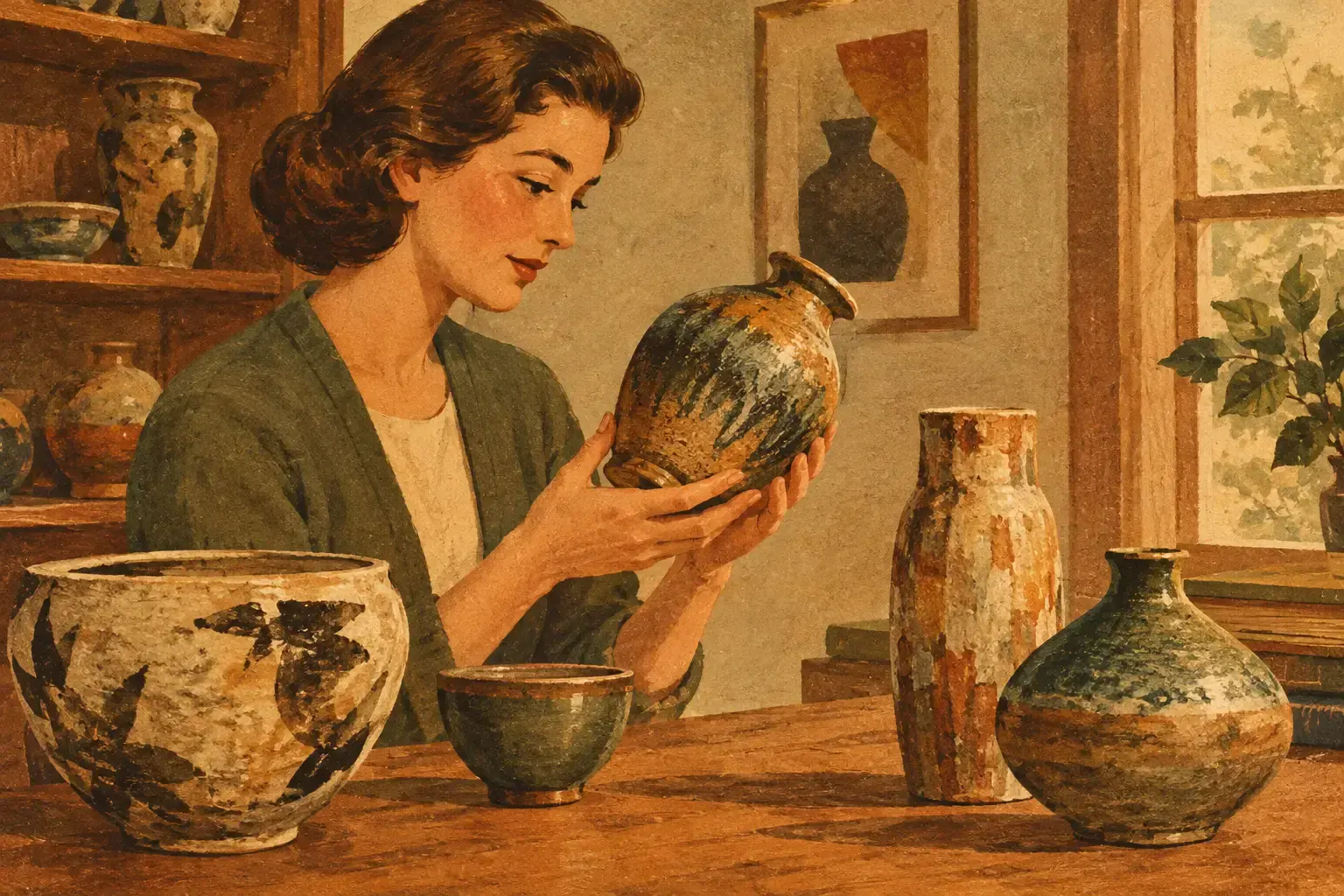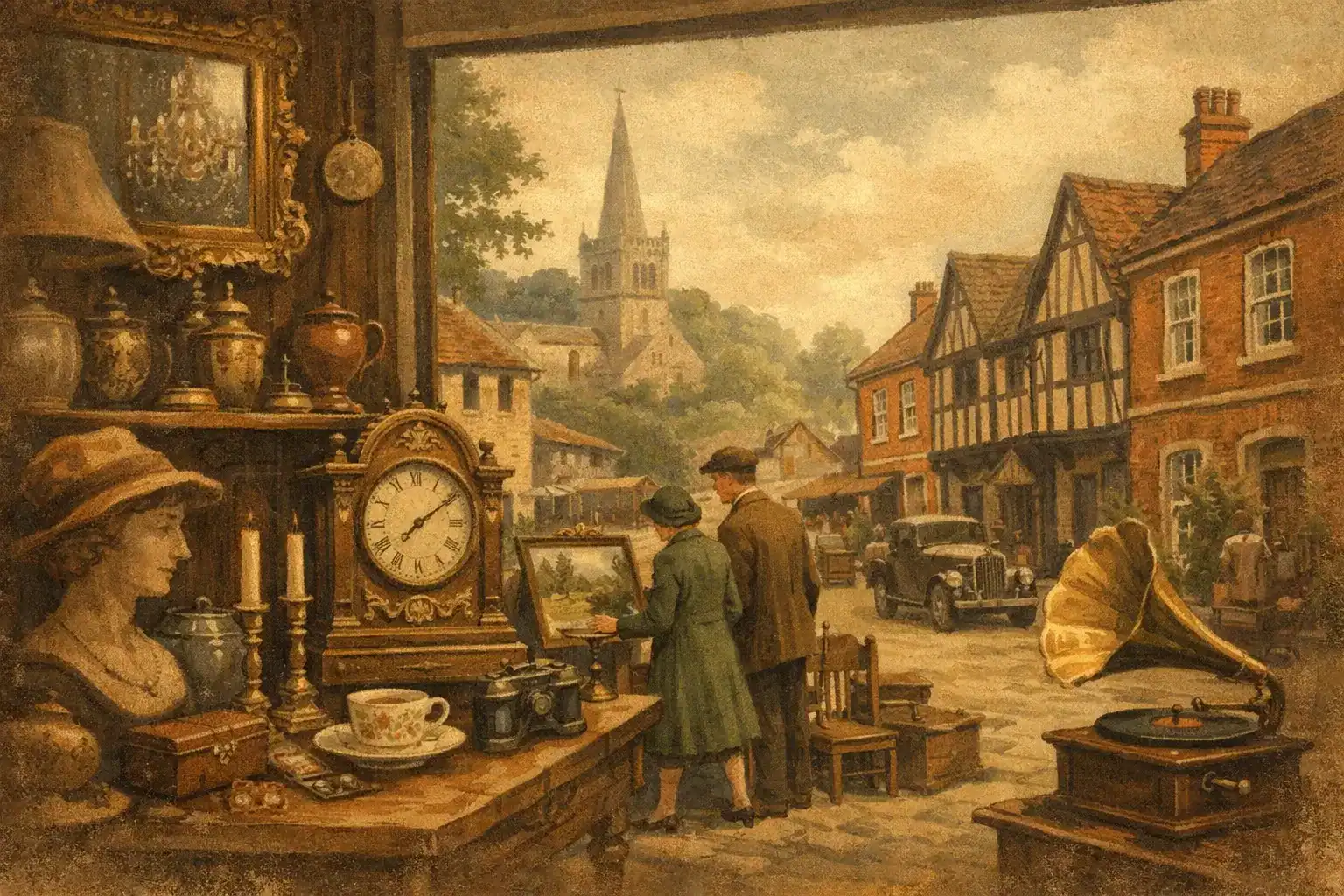
A good antique purchase changes the atmosphere of a room long before it is styled. A walnut chest adds warmth to a spare hallway; a mid-century lamp gives a quiet corner purpose; a piece of studio pottery makes an ordinary shelf feel considered. For those seeking the best places to buy antiques in Hertfordshire (including Stevenage), the pleasure lies in the variety of the search: market-town shops, country fairs, specialist dealers and carefully presented online collections all offer a different route to something with genuine presence.
Hertfordshire is particularly rewarding because its buying landscape is not confined to one high street or one style. You may find Georgian furniture, 20th-century design, architectural salvage, decorative ceramics and small collectables within a relatively short journey. The key is to choose the right setting for what you are hoping to find, then buy with an eye for condition, scale and craftsmanship rather than a label alone.
The Best Places to Buy Antiques in Hertfordshire
There is no single best destination for every buyer. A collector looking for a particular West German pottery glaze needs a different kind of source from someone furnishing a Victorian terrace with a handsome kitchen table. Start by deciding whether you are searching for a statement piece, a useful furnishing or an object with a story to tell.
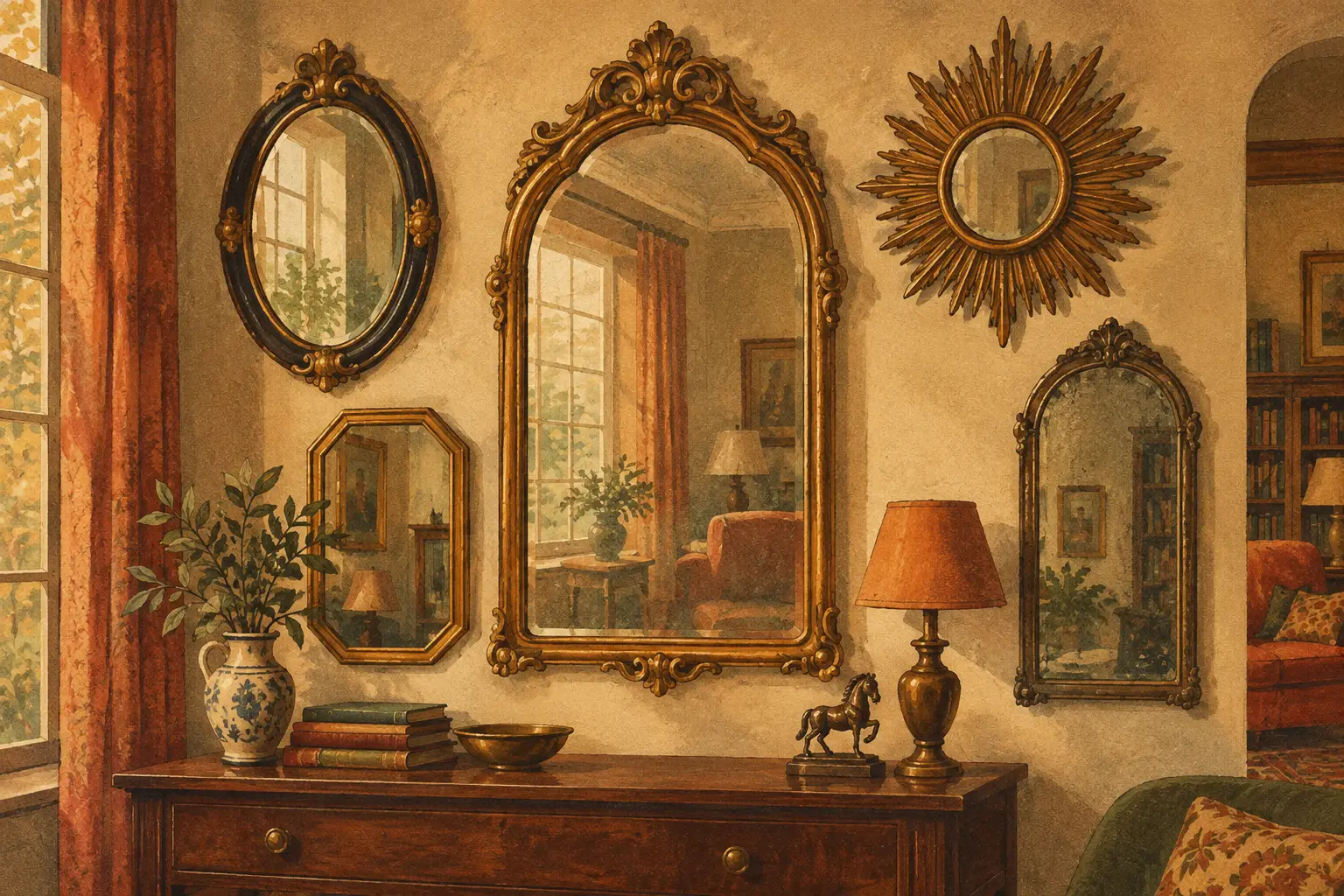
Antique centres and multi-dealer shops are often the best choice when you want to compare several periods in one visit. They can be especially useful for newer buyers, as there is usually a broad range of prices and categories under one roof. Look beyond the most obvious pieces. A well-made stool, small side table, mirror or brass wall light can be more adaptable at home than a large cabinet that demands an entire room.
Independent dealers tend to offer a more focused edit. This is where a buyer may find confidently selected antique furniture, folk art, vintage lighting or mid-century design, often with stronger information about materials, age and restoration. The selection may be smaller, but the advantage is discernment: less time sorting through unsuitable stock and more opportunity to find a piece that feels resolved.
Stevenage for considered antique furniture and decorative pieces
Stevenage is a useful base for buyers who want to combine local collection with the convenience of browsing stock beforehand. For antique furniture in Stevenage, seek out dealers who provide clear measurements, photographs of surfaces and details of any repairs. Furniture is difficult to judge on charm alone. A table may have beautiful colour but an awkward height, while an appealing cupboard may be too deep for a modern hallway.
The town and surrounding villages are also well placed for buyers looking for decorative antiques rather than formal period rooms. Bakelite objects, framed artworks, mirrors, rustic stools, vintage glass and characterful lighting often work beautifully in contemporary spaces. The most successful interiors usually mix periods rather than attempting to recreate one exact era.
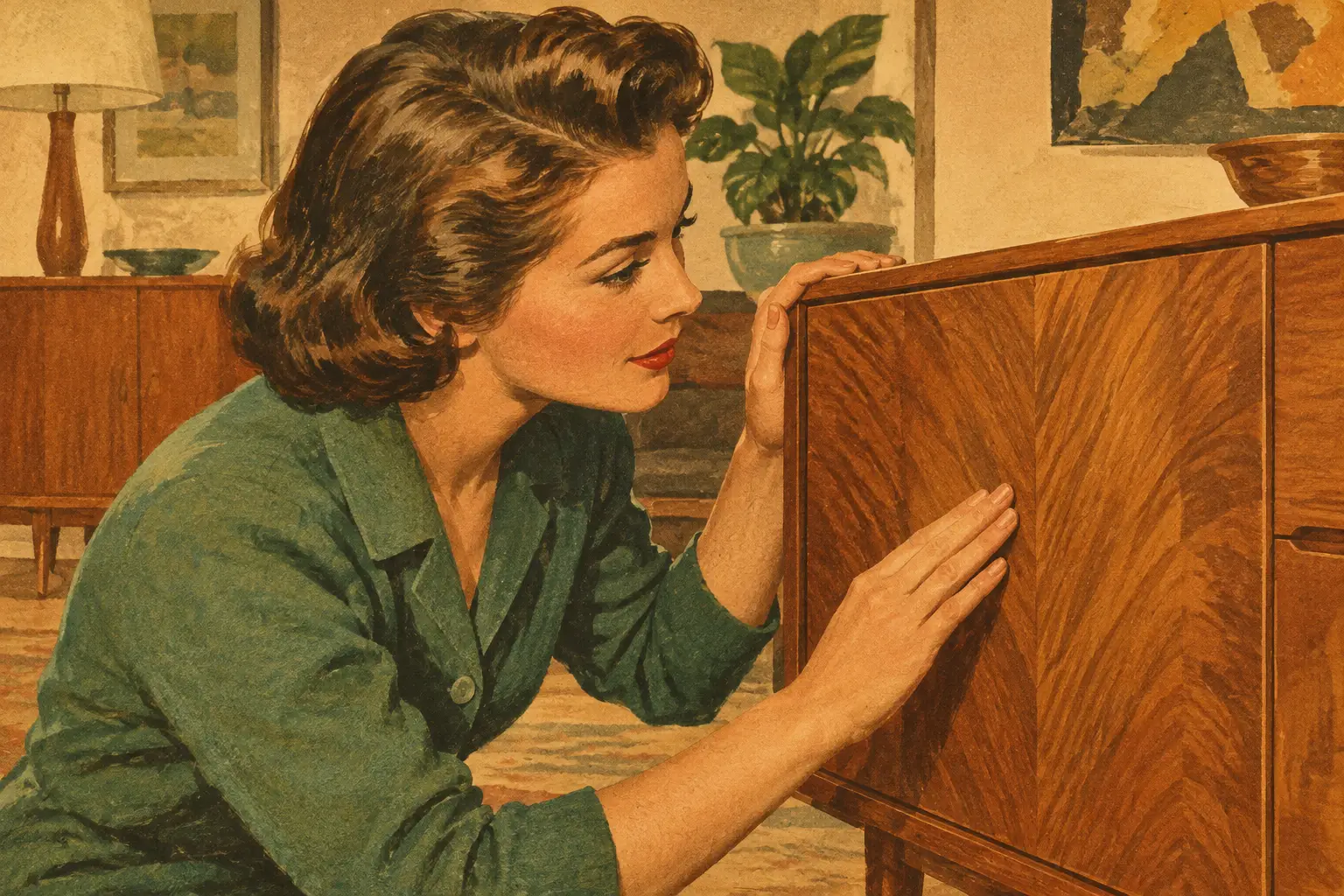
For local buyers, viewing a larger piece before purchase remains valuable. Open drawers, check the backboards and underside, and assess whether a chair or table sits steadily. Honest age-related wear is part of the appeal; fresh damage, persistent odour, active woodworm or unstable construction deserve a closer conversation.
Hitchin and Letchworth for an eclectic search
Hitchin has long appealed to people who enjoy browsing for objects with personality, and it is a sensible area to include when searching for mid-century furniture in Hitchin. Its wider antiques and vintage scene suits a slower search, particularly for occasional furniture, artworks, textiles and smaller decorative finds. Visit with dimensions on your phone and a few photographs of the room in question. It prevents a beautiful but impractical purchase.
Letchworth Garden City is equally worth including in a Hertfordshire antiques day out, particularly if your taste leans towards 20th-century interiors. Mid-century furniture is often valued for its useful proportions and clean lines, but condition varies considerably. Original handles, veneer, legs and finish matter. A sensitively restored piece can be an excellent buy, while over-sanding or replacement details may reduce both visual integrity and collector interest.
Do not overlook the smaller places between the towns. Villages around Hitchin, Walkern, Knebworth, Graveley and Benington can be fruitful during seasonal events, house clearances and local sales. The stock is less predictable, which is precisely the attraction for buyers who enjoy the hunt.
St Albans and Welwyn Garden City for style-led buying
St Albans attracts buyers looking for an antique dealer near St Albans with a good eye for decorative quality. The area lends itself to combining antiques browsing with a day in town, but avoid treating a purchase as a souvenir of the outing. Ask about provenance where it is known, whether a piece has been restored, and what has been replaced. A dealer should be comfortable explaining the difference between patina and damage.
For vintage lighting in Welwyn Garden City and nearby, condition and safety should lead the decision. Original fittings can be desirable, but older lamps may need rewiring before regular domestic use. Check the shade, gallery, switch and cable, and factor professional electrical work into the overall cost where necessary. The right vintage lamp brings a room to life, but only when it is both beautiful and fit for purpose.
Antique fairs, markets and village sales
Fairs are among the best places to develop your eye because they put many dealers, styles and price points in front of you at once. Arrive early if you are pursuing a specific category, especially small furniture, pottery, jewellery or collectables. Arrive later if you are open-minded and would rather have a relaxed conversation about what remains.
The trade-off is that fairs can be uneven. One table may offer exceptional ceramics while the next is filled with decorative reproductions. Handle objects where permitted, inspect signatures and maker’s marks, and ask direct questions without assuming that every item is rare simply because it is old. A modest, well-designed object in excellent condition can be more rewarding than a grander piece with little integrity.
Village jumble sales, charity shops and car boot sales can also produce surprises, though they demand patience and a willingness to walk away. They are best for small decorative objects and the occasional serendipitous find, not for relying on a particular style or standard of condition.
Why curated online dealers deserve a place in the search
Online buying has made it possible to shop a specialist vintage shop in Hertfordshire without waiting for a fair date or spending a Saturday travelling between towns. For busy homeowners and collectors, this can be the most practical way to compare pieces calmly, revisit details and measure against a room plan.
A well-curated dealer should make the online experience reassuring rather than vague. Look for multiple photographs, accurate dimensions, a description of condition, material and period, and a clear explanation of restoration where relevant. Provenance is not always available for every object, particularly utilitarian or anonymous pieces, but a knowledgeable description should distinguish confirmed history from informed attribution.
MN Interior Antiques takes this approach with a deliberately edited selection of antiques and vintage interiors, from furniture and lighting to ceramics, architectural elements and collectable design. For buyers, curation matters because it gives context to the object: why it was selected, how it has aged and where it may sit convincingly in a home.
Buy for the room, not the rush of the find
Before committing, consider four practical questions: does it fit physically, does it work functionally, is the condition acceptable for its age, and will you still value it once the novelty of the search has passed? Measure doorways as well as the intended position. A substantial antique table is of little use if it cannot turn the corner into the dining room.
Be realistic about restoration. Waxing a chest, replacing a worn cable or having a chair reupholstered can be worthwhile and can extend the life of a fine object. Structural repairs, extensive veneer loss or missing original components require more caution, particularly when the price assumes exceptional condition.
Most importantly, allow your home to evolve. The finest antiques are not props from the past. They are useful, expressive objects made with materials and workmanship that reward attention. Whether your next find comes from Stevenage, a Hitchin dealer, a St Albans fair or a curated online collection, choose the piece that gives your room a little more history and a great deal more character.