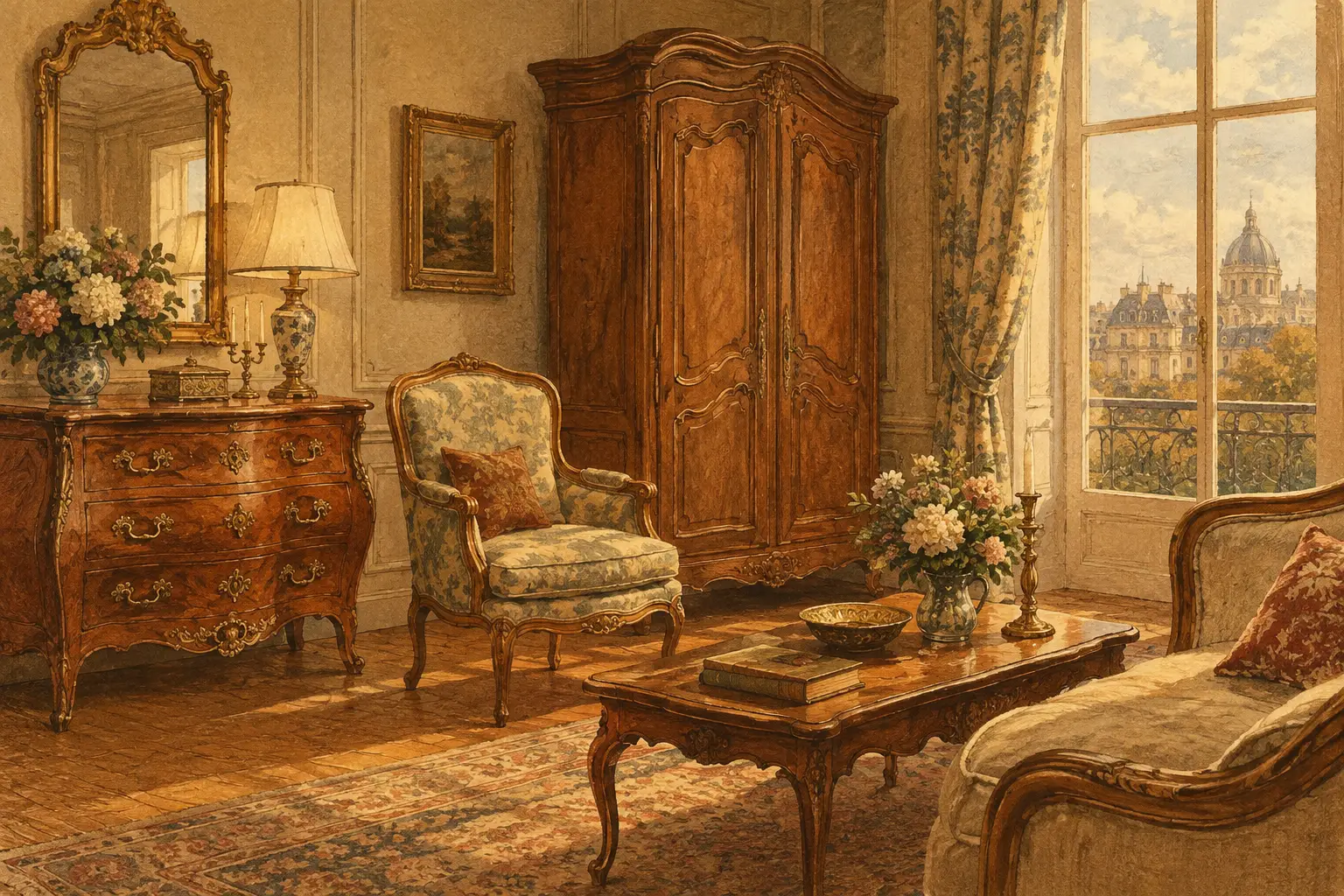
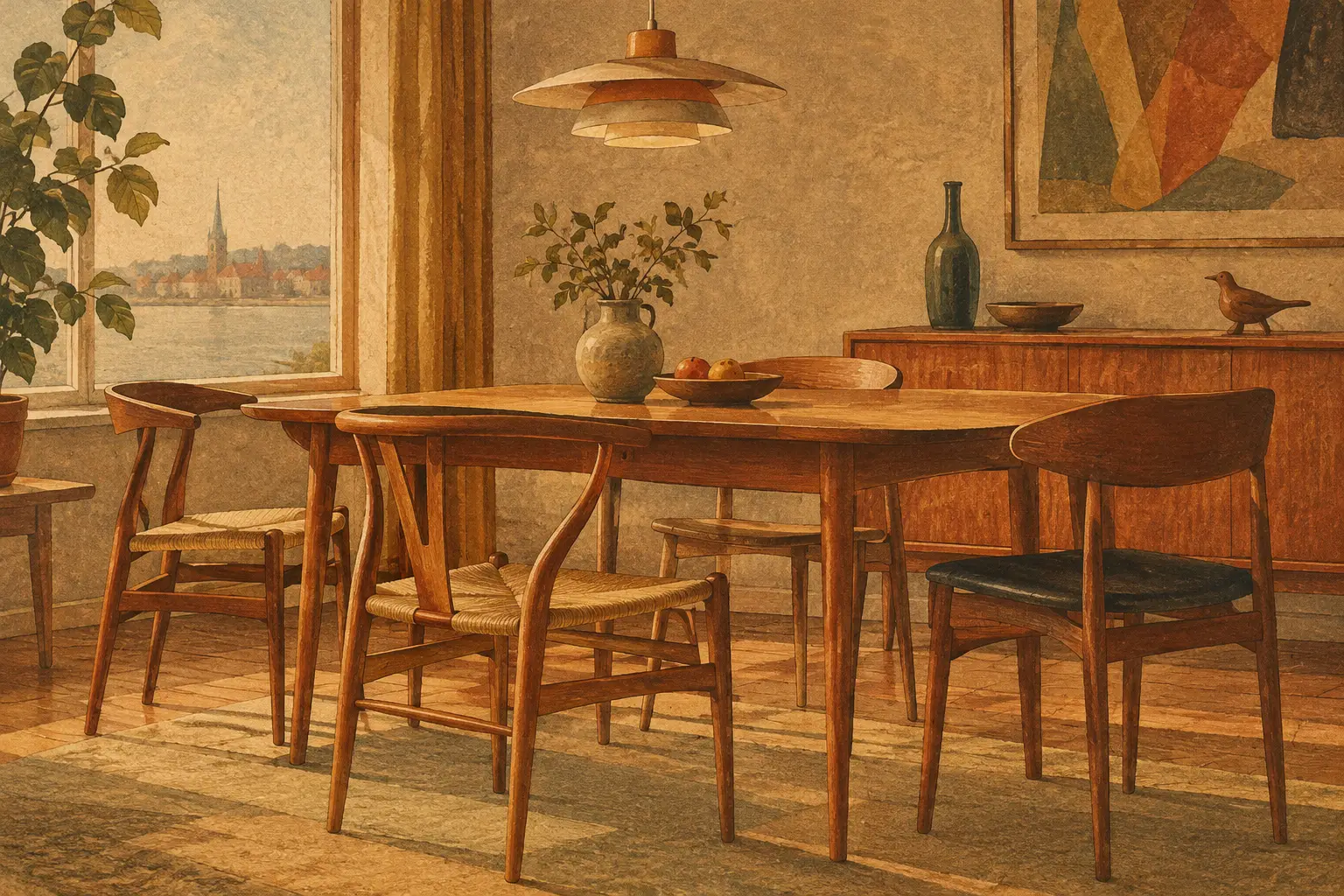
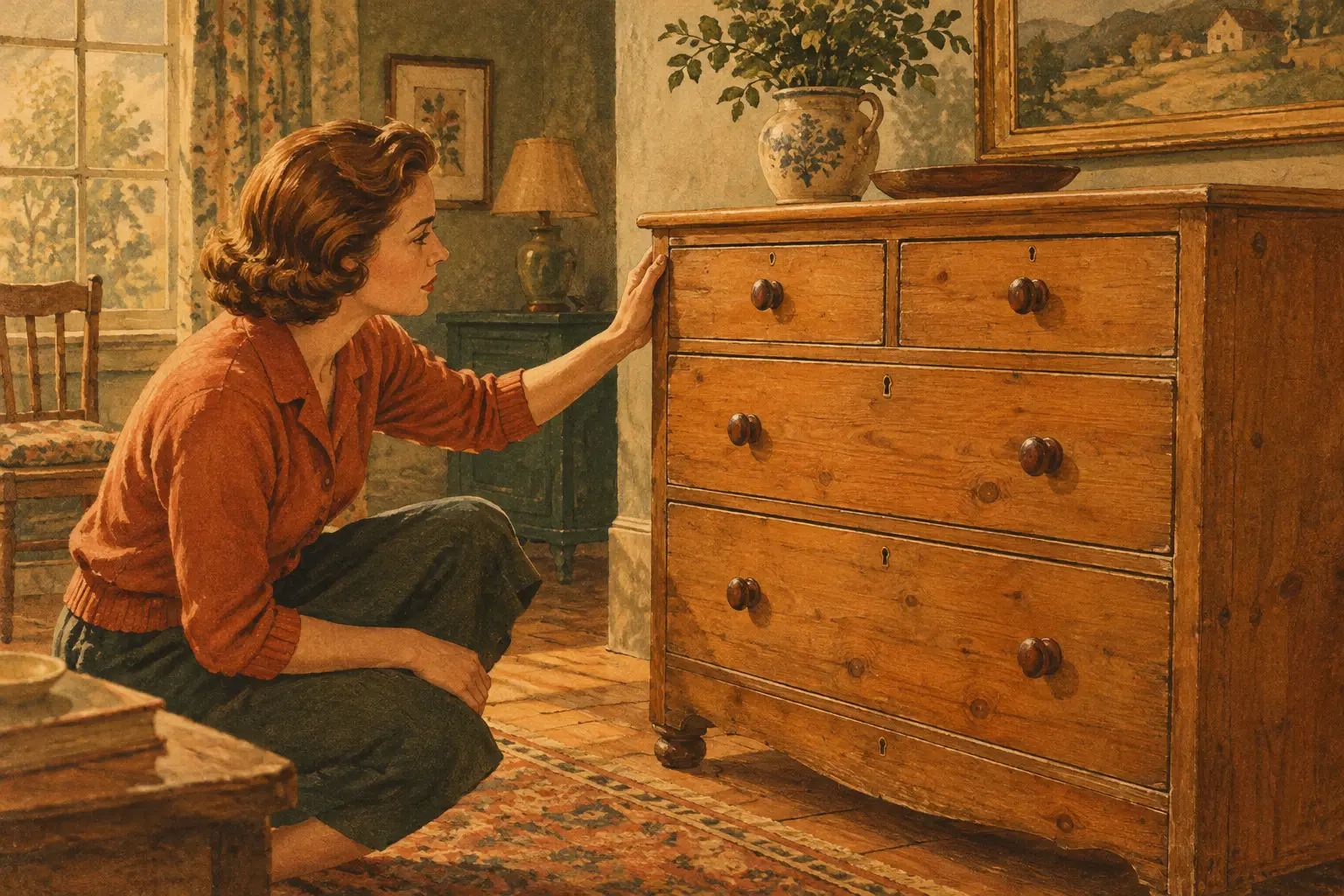
A Georgian chest bought for its quiet elegance, a mid-century sideboard chosen for its timber grain, or an inherited armchair with generations of use behind it should not be treated like ordinary household contents. Antique furniture insurance is about recognising that a piece may carry decorative, historical and financial value all at once – and that replacing it is rarely as simple as buying another.
For collectors and homeowners, the question is not whether a cherished piece deserves protection. It is whether the policy reflects what the object is actually worth, where it lives, and how it is used. The right cover starts with clear information rather than assumptions.
What antique furniture insurance should cover
Many home insurance policies include contents cover, and antique furniture may fall within it. That can be perfectly adequate for a small number of modestly valued pieces. The difficulty arises when a single cabinet, table, mirror or set of chairs exceeds the insurer’s single-item limit, or when the total value of a carefully assembled interior is greater than the contents limit.
Read the schedule rather than relying on a broad description of “contents”. Check the maximum payable for one item, the total contents sum insured, and whether valuable pieces must be listed individually. Some policies ask for items above a stated threshold to be declared. If they are not, a claim may be restricted even where the furniture was technically within the home.
A suitable policy should also make clear whether it provides replacement value, agreed value or an indemnity settlement. These terms matter. Replacement value can be awkward for an antique because no modern equivalent has the same construction, patina or provenance. Agreed value is often preferable for a significant piece, provided that value is supported by an up-to-date professional valuation.
The difference between market value and sentimental value
Insurance cannot recreate the pleasure of a dining table that has belonged to a family for a century. It can, however, give you a realistic route to replacement or restoration after a loss. This is why market value needs to be considered honestly, even when sentimental value is far greater.
Market value is what a similar piece could reasonably achieve in the current market. It can be influenced by maker, date, materials, condition, rarity, regional interest and provenance. A handsome Victorian chest may have a lower market value than a scarce piece of British mid-century furniture, despite being older. Conversely, an unremarkable label or later alteration can reduce value considerably.
Do not inflate a valuation simply because an object matters deeply. Equally, do not understate it because it was inherited or bought years ago at a favourable price. The aim is an evidence-based figure that allows the insurer to respond fairly.
Why valuations matter for antique furniture insurance
A receipt is helpful, but it is not always enough. Auction prices, retail values and replacement costs can move over time, particularly for design-led furniture and sought-after makers. A written valuation from a knowledgeable specialist gives an insurer a clearer basis for cover and gives you a useful record of the piece itself.
For furniture of particular quality or value, ask for a valuation that records the maker where known, approximate date, materials, dimensions, condition, distinguishing features and any provenance. Good photographs should accompany it. The more precisely an item is described, the less likely it is to be mistaken for a generic equivalent after a claim.
Review significant valuations every few years, and sooner if the market has changed or you have undertaken meaningful conservation work. A sympathetic restoration can preserve usability and value, while an insensitive repair may affect both. Keep invoices for restoration, upholstery, cabinet work and specialist cleaning alongside the valuation.
Build a record before you need one
The best time to catalogue a collection is a quiet afternoon, not the week after a burst pipe. Photograph each item from the front, back and sides, then take close images of labels, stamps, locks, veneers, maker’s marks and notable wear. Photographing a room as a whole is useful too, especially where several objects are displayed together.
Keep purchase invoices, valuation documents, correspondence relating to provenance and restoration records in a secure digital folder as well as a physical file. Include the date each photograph was taken. If a piece has a distinctive repair, old finish or original hardware, note it rather than hiding it. Condition reports are part of an honest insurance record, not a reason to avoid cover.
This discipline is especially useful for pieces that are visually familiar but difficult to describe under pressure. “Oak sideboard” does not say much. “Early 1960s teak sideboard with original recessed handles, six drawers and maker’s label” gives a far clearer starting point.
Risks that standard contents cover may not address
The wording of every policy differs, but several situations deserve close attention. Accidental damage is often an optional extension rather than a standard inclusion. It may matter if a marble top is chipped, a glass cabinet door is broken or a chair is damaged during redecorating.
Escape of water, fire, theft and storm damage are familiar insurance events, but gradual deterioration is usually not covered. Woodworm, damp, fading, warping caused by unsuitable conditions, loose joints and wear from everyday use may be treated as maintenance issues. This is reasonable from an insurer’s perspective, but it places a responsibility on owners to care for older furniture properly.
Consider where the piece goes as well as where it usually stands. Furniture sent for restoration, placed in temporary storage, moved during a house move, or lent for a display may require separate confirmation of cover. A policy that protects an item only while it is in the home will not necessarily respond to damage in transit or at a restorer’s workshop.
If you buy at fairs, auctions or from an antique dealer near St Albans, Stevenage or elsewhere in Hertfordshire, ask when responsibility transfers and arrange cover from the point the piece becomes yours. Delivery arrangements should be clear, particularly for mirrors, fragile veneers, marble and older lighting.
Match cover to the way you live with your furniture
Not every antique belongs behind a rope. A well-made oak table may be used every day, while a rare design chair may be admired more cautiously. Insurance should reflect that reality without making a home feel like a museum.
Tell the insurer if valuable pieces are in a garden room, converted outbuilding, second home or property that is regularly unoccupied. These locations can affect the terms. The same applies to security requirements. An insurer may expect suitable locks, alarms or other reasonable precautions for higher-value contents, especially if the home is left empty for extended periods.
Be careful with old electrical items. Vintage lighting can be a beautiful part of an interior, but period wiring may need inspection and rewiring by a qualified professional before use. Insurers may take a dim view of preventable damage caused by unsafe electrical fittings. Retain the invoice for any professional work carried out.
It is also worth asking how repair decisions are made. For an antique, a cash settlement based on a generic replacement can be less useful than access to a skilled conservator or restorer. If repair is possible, discuss whether the insurer permits an appropriate specialist to undertake the work. The cheapest repair is not always the right one for a piece with original surfaces and character.
Questions to ask before choosing a policy
Before arranging or renewing cover, ask whether antiques are covered under standard contents insurance, what the single-item limit is, and whether your principal pieces need to be specified. Confirm how the insurer calculates settlement values and whether valuations are required, accepted or periodically updated.
Ask about accidental damage, flood, storage, removals, restoration and items temporarily away from home. If the answer is vague, request it in writing. A policy is only as reassuring as its wording when something goes wrong.
For a growing collection, a specialist insurer may be worth considering. Specialist cover can offer more tailored limits and a better understanding of antiques, but it may cost more and still come with conditions. For a few lower-value decorative pieces, comprehensive home contents cover may be the simpler and more sensible choice. It depends on the collection, the property and your appetite for risk.
A considered interior is built over time, often piece by piece. Keep its records with the same care you give its surfaces, and review your antique furniture insurance whenever a new object with a story to tell comes through the door.